In heavy commercial common-rail diesel engines operating under full-load 40 to 60-ton transport conditions (Sinotruk D12, Weichai WP10/WP12, Shacman X3000), the Closed Crankcase Ventilation (CCV / engine blow-by breather system) separates microscopic engine oil mist from blow-by combustion gases before routing clean gas into the turbocharger intake. Operating under severe soot and heat, diagnosing clogged coalescing filter elements, sticking pressure regulator diaphragms, and crankcase overpressure exceeding 2.0 kPa prevents blown front and rear crankshaft oil seals, dipstick ejection, and oil-drenched engine compartments.
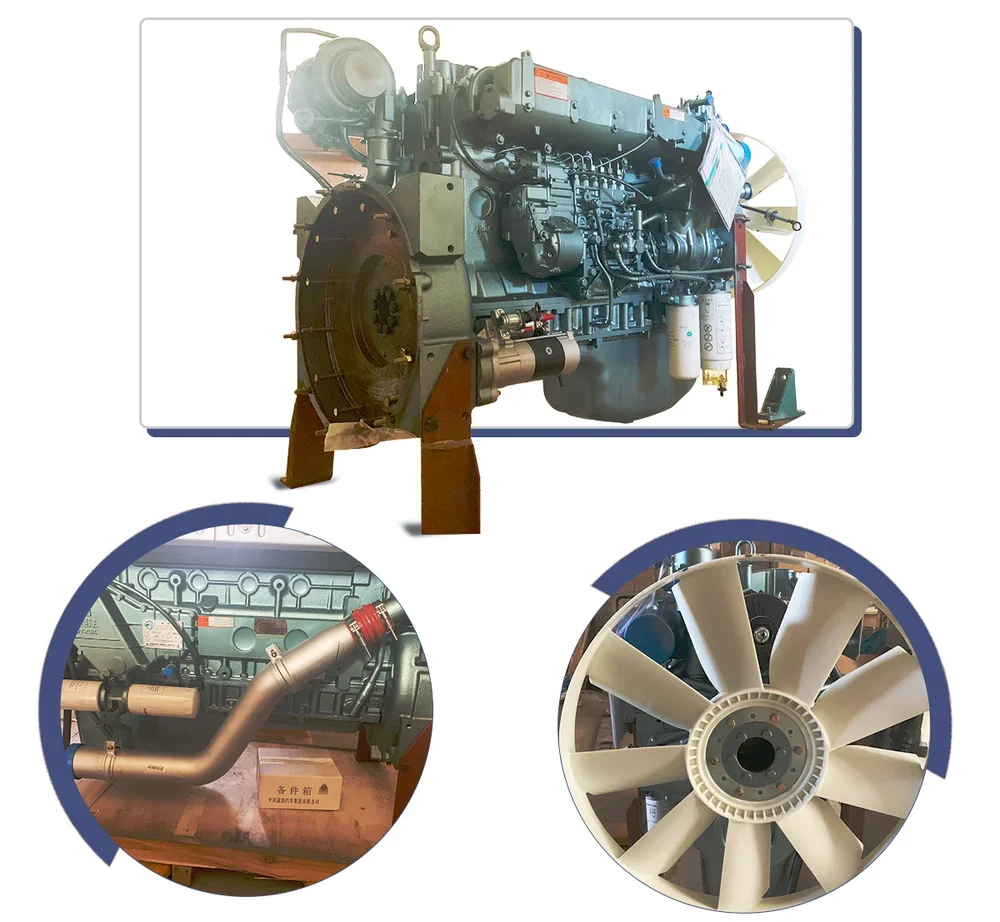
1. Technical Specification Comparison: Open Breather Pipe vs. Closed Crankcase Ventilation (CCV)
Blow-by filtration efficiencies, crankcase pressure regulations, and environmental profiles across engine breather architectures:
| Engineering Parameter | Legacy Open Draft Tube (Road Draft Vent Pipe) | Modern Closed Crankcase Ventilation (CCV System) |
|---|---|---|
| Breather Gas Routing | Vented directly into atmosphere under truck chassis | Recirculated closed-loop into turbocharger air intake duct |
| Oil Mist Separation Technology | Basic coarse wire mesh baffle inside rocker cover | Centrifugal rotary separator or multi-stage micro-fiber coalescing filter |
| Oil Aerosol Separation Efficiency | Poor: < 40% (Blows oily mist over road and front axle) | Ultra-high: > 98.5% of oil droplets returned to engine sump |
| Crankcase Internal Gauge Pressure | Near atmospheric (0.0 kPa to +0.5 kPa gauge) | Regulated negative/neutral pressure (-0.5 kPa to +1.0 kPa) |
| Pressure Regulating Valve | None (Open straight pipe) | Integral spring-loaded diaphragm pressure regulator valve |
| Crankshaft Oil Seal Longevity | Normal service life | Extended life (Zero seal blowout risk when maintained) |
| Turbocharger Compressor Wheel Cleanliness | N/A (Air intake stays dry) | Clean (If CCV clogs, liquid oil coats turbo compressor blades) |
| Recommended Service Interval | Clean wire mesh annually | Replace coalescing filter cartridge every 60,000 km or 12 Months |
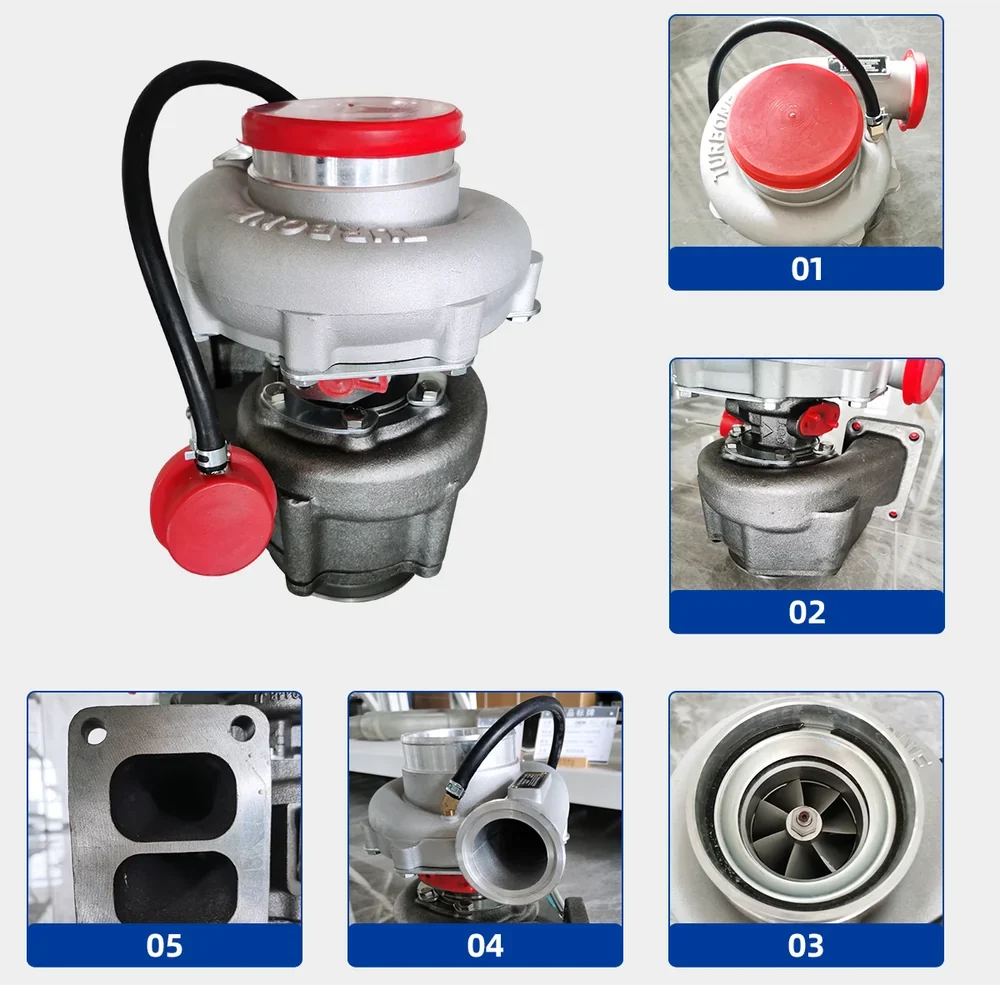
2. The Physics of Crankcase Overpressure: Why Oil Seals Blow Out
Every internal combustion engine produces blow-by combustion gas past its piston rings:
- The Blow-By Volume Generation: At 2,000 rpm under full 1,800 N·m torque, high-pressure combustion gas slips past piston rings into the lower crankcase at a rate of 80 to 120 liters per minute.
- The Clogged Filter Bottleneck: This gas carries hot lubricating oil mist. If the CCV coalescing filter element clogs with carbonized soot and engine sludge, blow-by gas cannot escape into the intake manifold.
- Pressure Spikes & Seal Blowouts: Crankcase internal pressure spikes from its designed neutral state up to 3.5 to 5.0 kPa (0.05 bar). Pressure seeks the weakest physical barrier: it pushes the oil dipstick right out of its tube, spraying gallons of engine oil over the exhaust manifold, or blows the lips of the front and rear crankshaft seals outward, creating uncontrollable oil leaks.
3. Troubleshooting Crankcase Pressure & Oil Leaks in Field Operations
Field mechanics can diagnose CCV malfunctions using simple water manometer checks and visual inspection:
| Observed Engine Symptom | Most Probable Root Cause | Immediate Corrective Action |
|---|---|---|
| Engine oil dipstick pops out of its tube; oil sprays under cab | CCV coalescing filter cartridge completely clogged; breather regulator diaphragm stuck shut | Replace CCV filter element immediately; clean breather housing and pressure regulating valve |
| Heavy engine oil leaking from front or rear crankshaft main seals | Crankcase internal pressure exceeding 2.5 kPa, blowing rubber seal lips off spindle journals | Test crankcase pressure with water manometer; service CCV breather before replacing seals |
| Turbocharger compressor inlet hose dripping with liquid engine oil | CCV oil drain check valve stuck closed; separated oil cannot return to sump and gets sucked into turbo | Clean bottom one-way rubber duckbill drain valve; flush CCV drain tube leading to oil pan |
| Excessive blue-gray exhaust smoke; engine burns 3L of oil per 1,000 km | CCV internal bypass valve stuck open, allowing raw oil mist into combustion chambers | Inspect CCV diaphragm spring; install genuine OEM oil-gas separator assembly |
4. Step-by-Step Water Manometer Crankcase Pressure Testing Protocol
Measuring crankcase blow-by pressure in under 10 minutes using a simple water U-tube manometer:
- Fabricate a Water U-Tube Manometer: Secure a 2-meter length of clear vinyl tubing (8mm internal diameter) onto a vertical wooden board in a U-shape. Fill the tube halfway with water (colored with a drop of blue ink). Mark a metric millimeter scale behind the water columns. (100mm water column $\approx$ 1.0 kPa).
- Connect to Engine Dipstick Tube: Connect one end of the vinyl tube tightly over the engine oil dipstick tube using an airtight rubber adapter. Leave the opposite end of the U-tube open to atmosphere.
- Run Engine at Rated Full Load (1,800 RPM): Start the engine and warm it to 85°C. Rev the engine to rated speed under load:
- Healthy Engine Reading: Water column differential should measure between -20 mm and +50 mm H2O (-0.2 kPa to +0.5 kPa).
- Clogged CCV Breather Limit: If the water column pushes up past +150 mm to +200 mm H2O (> 1.5 to 2.0 kPa), the CCV filter is choked and must be replaced immediately.
- Piston Ring Blow-By Diagnosis: If crankcase pressure remains over +250 mm H2O even with a brand-new CCV filter, the engine has worn piston rings or scored cylinder liners.
- Replace Coalescing Filter Cartridge: Unbolt the top plastic cover of the CCV housing. Discard the saturated micro-fiber filter. Clean the housing bowl and inspect the bottom rubber one-way drain valve. Install a fresh filter and torque cover bolts to 10 N·m.
Frequently Asked Questions
Q: What happens if a mechanic vents the CCV pipe directly to the ground and blocks the turbo intake port?
A: This old-school modification stops oil entering the turbo, but it creates a vacuum imbalance, allows un-filtered road dust to enter the engine during shutdown cooling, and violates international environmental emission standards.
Q: Why does the bottom oil drain of the CCV separator require a one-way check valve?
A: The drain tube empties into the oil pan below the liquid level. Without a one-way check valve (rubber duckbill valve), crankcase vacuum pulses would suck engine oil backward up the drain tube into the intake manifold!
Q: Where can fleet operators source genuine Weichai and Sinotruk CCV oil separators and filters?
A: Browse our complete engine filtration inventory in the Heavy-Duty Spare Parts Category, inspect original Diesel Engine Assemblies, or consult our International FAQ Center.
Request CCV Breathers & Engine Replacement Parts Quotation
Recommended Semi-Trailers
 3 Axle Flatbed Trailer |  3 Axle Lowboy Trailer |  3 Axle Container Chassis Trailer |