In high-velocity commercial liquid petroleum bottom-loading rack operations (pumping volatile gasoline, diesel, and Jet A-1 at up to 2,500 L/min per loading arm), the static grounding reel clamp and 10-pin API overfill ground verification socket (ADR, API RP 1004, and ATEX standards) form the primary electrical spark prevention interlock. Pumping petroleum creates dangerous electrostatic potential differences exceeding 25,000 Volts; verifying ground resistance below 5.0 Ohms and maintaining copper chassis bonding straps prevents terminal flash fire explosions and catastrophic loading rack shutdowns.

1. Technical Specification Comparison: Standard Alligator Clamp vs. Certified API Grounding Sockets
Electrical resistance thresholds, interlock monitoring signals, and explosion-proof ratings across tanker grounding hardware:
| Engineering Parameter | Standard Mechanical Alligator Grounding Clamp | Intrinsically Safe API 10-Pin Ground Verification Socket |
|---|---|---|
| Electrical Interlock Verification | None (Passive mechanical clip; zero electronic confirmation) | Active electronic interlock: Rack computer verifies continuous ground signal |
| Grounding Resistance Monitoring Threshold | Unknown (Paint or rust under clamp creates high resistance) | Strictly ≤ 5.0 to 10.0 Ohms (Pumps trip offline if resistance spikes) |
| Electrical Contact Architecture | Single copper or brass jaw teeth clamping chassis steel | Dual internal stainless steel ground verification bolts + 10-pin bayonet socket |
| Explosion-Proof Certification | None | Ex d ia IIB T4 Gb (Intrinsically safe ATEX / IECEx certified) |
| Overfill Sensor Integration | Separate manual visual inspection required | Integrated 5-wire or 2-wire optic sensor channels + ground loop in 1 plug |
| Automatic Pump Shut-Off Reaction | None (Pumps continue pumping even if static arcs) | Instantaneous: Terminal loading arm shutoff within 0.4 seconds |
| Cable Retraction Mechanism | Manual loose coiled copper wire cable | Heavy spring-rewind automatic static grounding reel (15m braided wire) |
| Regulatory Compliance | Prohibited at all modern commercial oil refinery depots | Mandatory compliance: ADR, API RP 1004, and EN 13922 |
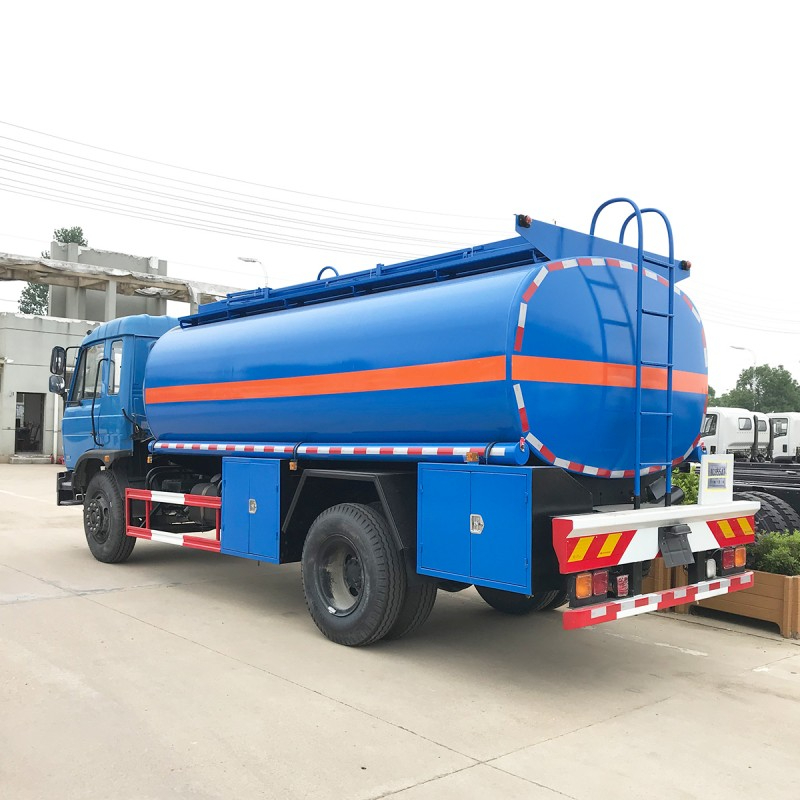
2. The Triboelectric Physics of Fuel Pumping: Generating 25,000 Volts
Petroleum hydrocarbons are poor electrical conductors that accumulate static charges rapidly:
- The Electrostatic Charge Mechanism: When liquid gasoline rushes through 4-inch API bottom loading couplers and internal tanker drop pipes at 2,500 liters per minute, hydrocarbon molecules frictionally shear against metal walls. This triboelectric effect strips electrons, charging the liquid fuel and the ungrounded tank shell to over 25,000 Volts within 60 seconds.
- The Electrostatic Spark Ignition: If a floating electrostatic charge builds up on the tank shell, the voltage seeks a path to ground. When an operator approaches the metal dome or touches an ungrounded hose coupling, a high-energy spark jumps across the air gap, detonating the explosive fuel-air vapor mixture (gasoline explosive limit: 1.4% to 7.6% vapor concentration).
- The 5-Ohm Ground Dissipation Path: The heavy-duty copper bonding strap dissipates electrostatic electrons continuously to the refinery earth grid, holding electrical potential difference strictly to zero Volts.

3. Troubleshooting Grounding Faults & Terminal Rack Lockouts
The dreaded "Red Permit Light" at the refinery loading gantry indicates electrical continuity failure:
| Observed Terminal Fault | Most Probable Root Cause | Immediate Corrective Action |
|---|---|---|
| Rack computer shows "Ground Fault"; loading arm refused to pump | Oxidized or painted ground verification bolt inside 10-pin socket; broken chassis copper ground wire | Clean socket ground bolts with brass wire brush; verify chassis ground resistance (< 5 Ohms) |
| Operator receives static electric shock when touching trailer frame | Tank-to-chassis flexible copper bonding straps severed or corroded; ungrounded tank vessel | Inspect and replace braided copper bonding straps bridging tank shell to chassis I-beams |
| Optic overfill sensor trips red immediately upon plugging in rack cable | Prism tip coated with heavy bitumen/fuel sludge; shorted 5-wire sensor harness inside manhole | Clean optical glass prism with alcohol rag; test individual sensor channel continuity |
| Static reel cable snaps or fails to retract into reel housing | Fatigued internal spring rewind coil; seized brass slip-ring bushing inside reel hub | Disassemble grounding reel housing; replace internal clock-spring and brass contact brushes |
4. Step-by-Step Electrical Grounding & Continuity Testing Protocol
Verifying fuel tanker electrical safety before dispatching to oil refinery gantries:
- Inspect Flexible Tank-to-Chassis Bonding Straps: A tanker shell rests on rubber isolation pads above the steel chassis. Walk the trailer length: verify that heavy braided tinned-copper bonding straps (minimum 25mm² cross-section) bridge the tank body to the trailer chassis at both the front and rear bolsters.
- Test Resistance of API 10-Pin Socket Ground Bolts: Connect a calibrated digital ohmmeter between the brass ground verification bolt inside the 10-pin API socket and the trailer rear bumper steel frame. Measured resistance must read strictly under 5.0 Ohms! If resistance exceeds 10 Ohms, clean the mounting threads.
- Test Static Grounding Reel Clamp: Pull out the 15-meter stainless steel wire rope from the spring-rewind reel. Measure resistance from the clamp's hardened bronze jaw teeth back to the trailer kingpin plate. Electrical resistance must measure strictly under 10 Ohms.
- Verify Cleanliness of Ground Pin Jaws: Inspect the spring clamp jaws for caked mud or dried paint. The sharp point of the clamp jaw must bite through painted steel to achieve direct metal-to-metal contact with the depot grounding rod.
Frequently Asked Questions
Q: Why does the API overfill monitor socket contain two separate ground bolts?
A: The two independent ground bolts (Pin 9 and Pin 10) form an active closed loop. The refinery rack computer injects a low-voltage monitoring signal down Pin 9 and verifies that it returns through Pin 10, confirming that the socket is physically connected to an authentic tanker rather than bypassed with a jumper wire.
Q: Can a tanker be loaded safely if the static grounding clamp is attached to a painted handrail?
A: Absolutely not! Paint acts as an electrical insulator, preventing static discharge. Grounding clamps must clamp directly to bare, unpainted steel grounding studs or certified copper grounding busbars connected directly to refinery earth wells.
Q: Where can fuel logistics fleets procure certified ADR static grounding reels, API sockets, and optic sensors?
A: Browse our complete liquid transport inventory in the Semi-Trailers Category, view original Fuel Tanker Semi-Trailers, or consult our International FAQ Center.
Request ADR Fuel Tanker Electrical Safety Hardware Quotation
Recommended Semi-Trailers
 BYD Sealion 06 EV |  Geely EX5 |  3 Axle Oil Tank Trailer |