On truck-mounted mobile cranes and heavy recovery wreckers (XCMG, SANY, Palfinger, Zoomlion), the dual pilot-operated check valve (hydraulic outrigger lock valve) bolts directly onto each vertical outrigger hydraulic cylinder port. Acting as a fail-safe hydraulic barrier, this two-way locking valve traps pressurized fluid inside the cylinder chambers during crane lifting operations. Operating on construction and mining sites, diagnosing valve poppet contamination, replacing worn pilot piston O-rings, and eliminating uncommanded outrigger settling ("soft-leg syndrome") prevents catastrophic crane tip-overs and dropped load disasters.
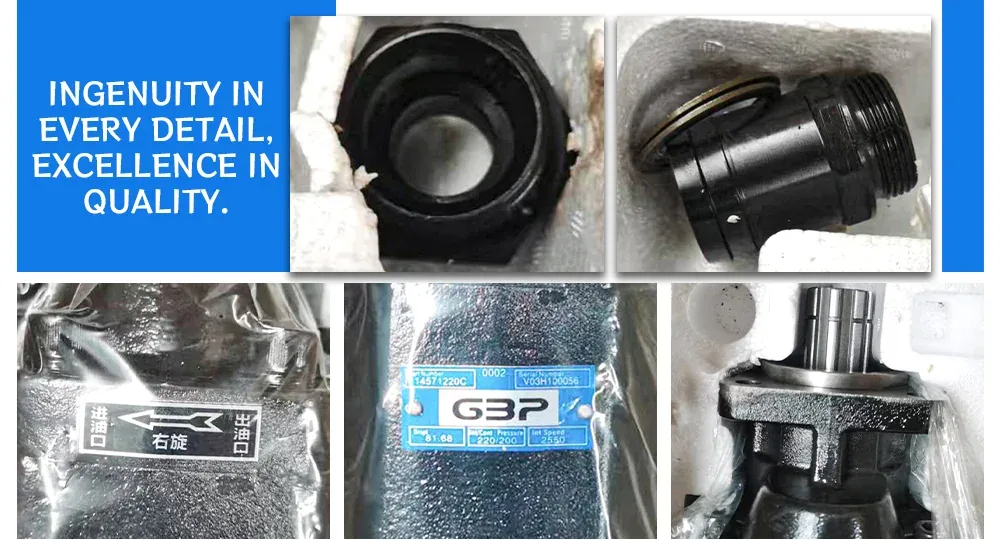
1. Technical Specification Comparison: Standard vs. Heavy Mining Spec Hydraulic Outrigger Locks
Cracking pressures, pilot ratios, flow capacities, and allowable internal leakage across mobile crane lock valves:
| Engineering Parameter | Standard Commercial Truck Crane Lock Valve (3T – 8T Crane) | Heavy Mining & Mobile Crane Hydraulic Lock (12T – 25T Crane) |
|---|---|---|
| Valve Body Architecture | Flanged modular aluminum or cast iron dual check body | Heavy forged ductile iron / alloy steel direct-mount body |
| Internal Pilot Ratio ($R_p$) | Standard 3 : 1 or 4 : 1 pilot opening ratio | High-stability 4.5 : 1 or 7 : 1 pilot decompression ratio |
| Maximum Working Pressure | 21.0 – 25.0 MPa (approx. 210 – 250 bar) | 31.5 – 35.0 MPa (315 – 350 bar high-pressure rating) |
| Rated Hydraulic Flow Capacity | approx. 30 – 50 Liters / minute | approx. 80 – 120 Liters / minute (Supports fast outrigger cycling) |
| Poppet Seal Mechanism | Hardened steel cone on ground steel seat (Metal-to-metal) | Tungsten-carbide micro-lapped cone with zero-leakage seat |
| Allowable Internal Leakage Rate | ≤ 1 drop per 5 minutes under 20 MPa holding pressure | Strictly ZERO drops (Hermetic mechanical fluid isolation) |
| Cylinder Drift Allowable Limit | Vertical drop ≤ 5.0 mm per 15 minutes under full load | Vertical drop ≤ 2.0 mm per hour under maximum suspended load |
| Cylinder Port Interface | G 3/8" or G 1/2" threaded banjos or flanged face | G 1/2" or G 3/4" heavy flanged manifold bolted to cylinder body |
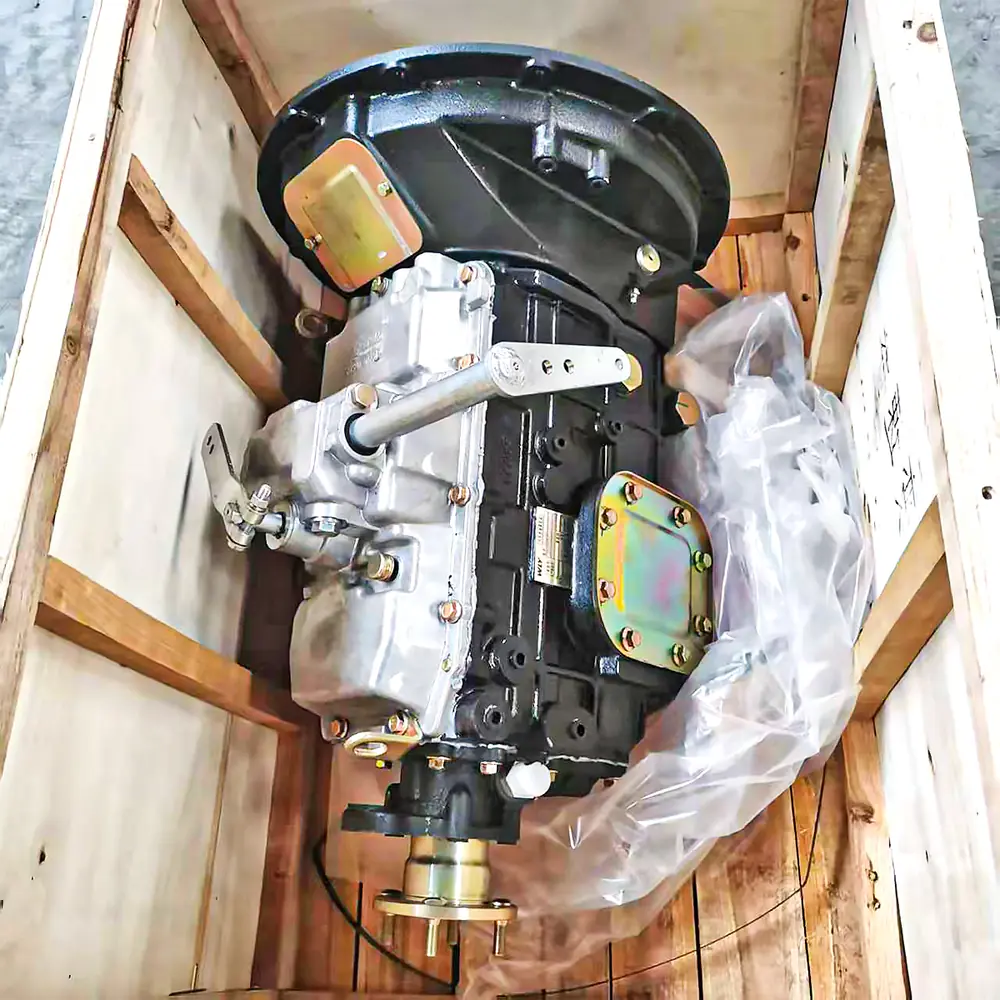
2. The Dual-Locking Mechanism: How Pilot Pressure Unlocks Trapped Oil
The dual pilot-operated check valve contains two mirrored check cones and a floating central pilot shuttle piston:
- The Static Locked State (Neutral Joystick): When the operator levels the crane outriggers and centers the joystick, high-pressure oil trapped in the cylinder base chamber pushes against the internal conical poppet. Heavy pre-load springs slam the poppet tightly against its seat, locking fluid permanently inside the cylinder even if a supply hose ruptures.
- The Pilot Unlocking Action: To retract the outrigger, pressurized pilot oil enters the rod-side port. This pressure drives the central floating pilot piston across its bore, mechanically forcing the opposite check poppet off its seat. This opens an exhaust path, allowing oil to escape the base chamber so the cylinder can retract.
- The Lethal "Soft-Leg" Rollover Hazard: If a microscopic speck of rust or weld spatter lodges under the conical poppet seat, trapped oil slowly bleeds across the seat back into the control valve. As the crane swings a 5-ton load over that side, the vertical outrigger slowly collapses (soft-leg syndrome). The vehicle tips over in seconds without warning.
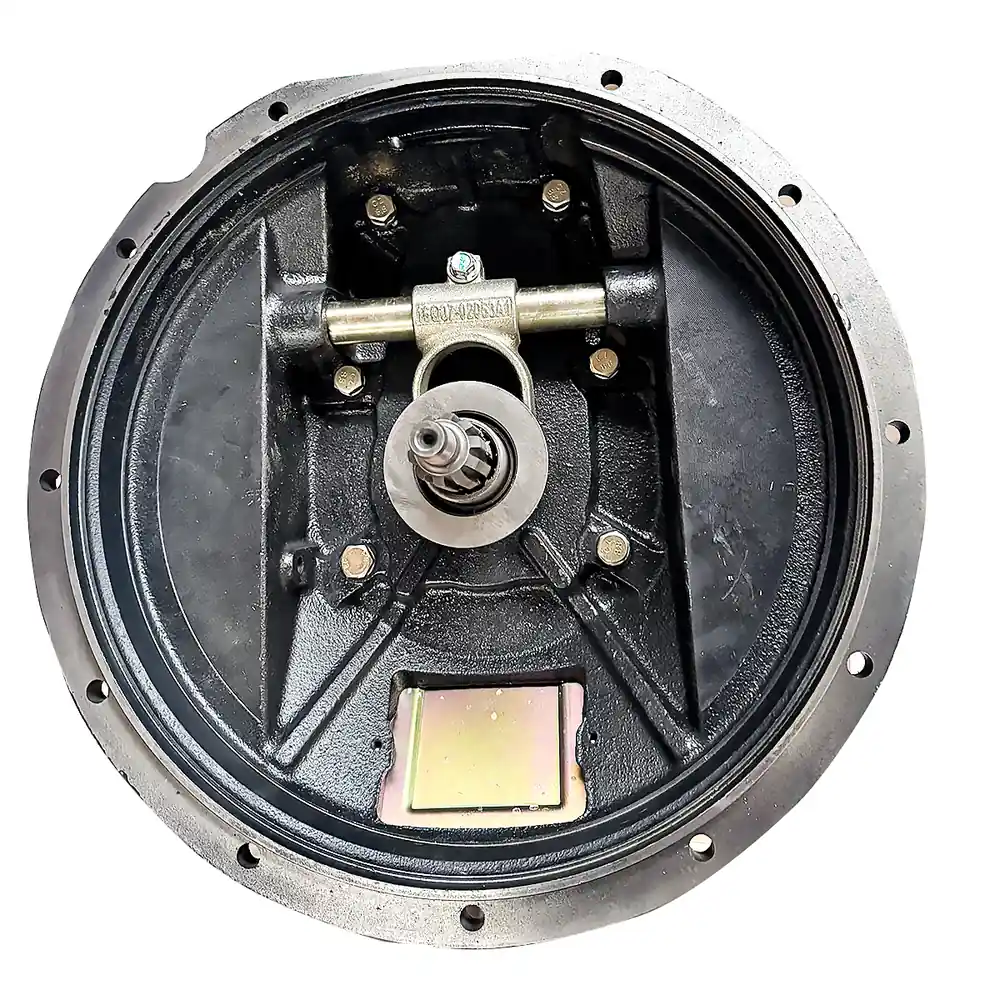
3. Troubleshooting Outrigger Cylinder Drift & Settling
Determining whether settling originates from the hydraulic lock valve or the cylinder piston packing:
| Observed Outrigger Malfunction | Most Probable Root Cause | Immediate Corrective Action |
|---|---|---|
| Outrigger leg slowly sinks under heavy suspended load; crane tilts | Debris trapped under hydraulic lock poppet cone; scored valve seat; worn internal pilot shuttle O-rings | Remove and clean hydraulic lock cartridge; lap poppet seat with fine compound; replace internal seals |
| Outrigger drops to ground automatically during road travel | Rod-side check valve poppet leaking, allowing cylinder to extend under gravity vibration | Service rod-side check valve cartridge; replace weakened poppet return spring |
| Outrigger chatters and shudders violently when extending or retracting | Pilot ratio mismatch causing rapid poppet fluttering; air trapped in pilot shuttle chamber | Bleed air from cylinder ports; adjust pilot opening dampening orifice screw |
| Outrigger refuses to retract even under full hydraulic pressure | Central pilot shuttle piston seized in bore due to contaminated oil varnish; bent lock valve body | Disassemble hydraulic lock; clean pilot bore with solvent; replace valve body if warped |
4. Step-by-Step Field "Lock Valve Isolation" Test Protocol
Confirming 100% whether the outrigger lock valve or cylinder piston packing is leaking:
- Extend Outrigger and Lift Wheels: Extend the target outrigger cylinder firmly until the truck tires are completely elevated 50mm off the ground. Shut off the diesel engine.
- Disconnect Supply Hoses from the Lock Valve: Disconnect both flexible hydraulic hoses connecting the chassis control valve to the outrigger lock valve. The dual check valve must hold the entire weight of the truck completely unsupported!
- Observe Port Leakage & Measuring Height: Position clean containers beneath the two open lock valve ports. Measure the exact height from the ground to the truck chassis frame. Leave the vehicle parked for 60 minutes:
- If Oil Drips from the Valve Port and the Chassis Sinks: The hydraulic lock valve poppet or pilot piston O-ring is leaking internally! Replace or overhaul the lock valve cartridge.
- If Zero Oil Drips from the Ports, but the Chassis Still Sinks: The hydraulic lock valve is 100% perfect! The cylinder's internal piston seals are blown, allowing oil to bypass from the base chamber to the rod chamber internally. The hydraulic cylinder must be removed and repacked.
Frequently Asked Questions
Q: Why should hydraulic lock valves never be installed using flexible rubber hoses?
A: Outrigger lock valves must bolt directly onto the rigid steel cylinder barrel or connect via seamless heavy-wall steel tubing. Connecting a lock valve through a flexible rubber hose creates a lethal hazard: if that hose bursts between the cylinder and valve, the outrigger collapses immediately.
Q: What causes outrigger footplates (pads) to punch through the ground?
A: Setting outrigger steel footpads directly on unpaved dirt, asphalt, or sand concentrates thousands of pounds of pressure on a tiny area. Crane operators must always place heavy hardwood crane mats or high-density composite outrigger pads beneath footplates to distribute ground bearing pressure.
Q: Where can crane operators procure genuine hydraulic lock valves and outrigger cylinders?
A: Browse our complete lifting component inventory in the Construction Machinery Category, view original Heavy-Duty Spare Parts, or consult our International FAQ Center.
Request Crane Outrigger Lock Valves & Hydraulic Spares Quotation
Recommended Semi-Trailers
 Howo 8x4 Dump Truck |  Shacman Delong Truck-Mounted Crane |  Caterpillar 330C Excavator |