In articulated commercial tractor-trailer pneumatic braking systems (Sinotruk Howo, Shacman, Foton), the trailer control valve (WABCO 473 017 series) mounted on the tractor chassis coordinates dual-line pneumatic commands between the prime mover and semi-trailer. Controlling the red emergency supply line and yellow service brake line, this valve establishes an essential 0.2 to 0.4 bar (3 to 6 psi) lead-braking pressure differential, ensuring the semi-trailer brakes engage a fraction of a second before the tractor to keep the articulated combination in straight tension and prevent lethal jackknifing.
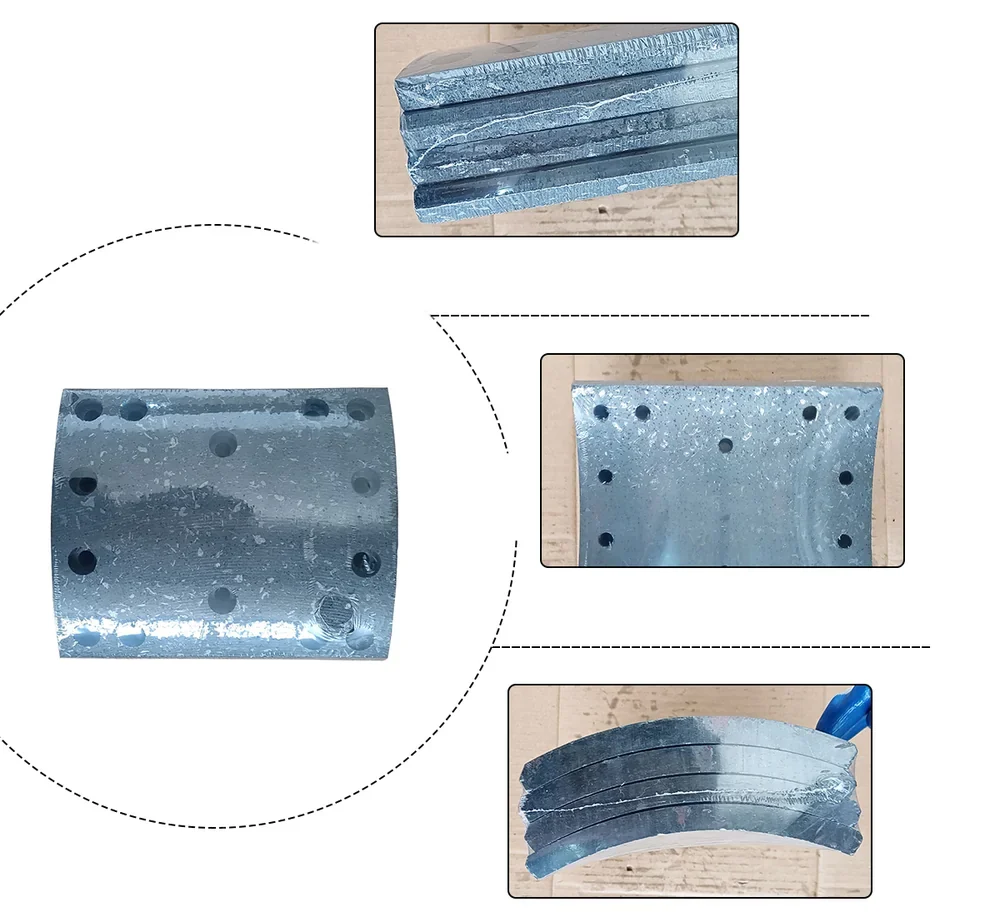
1. Technical Valve Port Numbering & Dual-Line Pneumatic Matrix
Standardized DIN ISO port numbering designations, control circuits, and operating pressures across trailer control valves:
| Port Designation | Pneumatic System Connection | Operating Pressure Characteristic | Safety Function |
|---|---|---|---|
| Port 11 (Main Air Supply) | Tractor Circuit #3 (Dedicated trailer air reservoir tank) | Constant 0.75 – 0.85 MPa (Full reservoir pressure) | Feeds compressed air to the red emergency line and internal relay |
| Port 21 (Trailer Service Delivery) | Yellow Gladhand coupling (Trailer Service line) | Modulated 0.0 to 0.80 MPa (Directly controlled by foot brake / hand lever) | Delivers variable pneumatic signal to trailer relay valves |
| Port 22 (Trailer Emergency Supply) | Red Gladhand coupling (Trailer Emergency / Supply line) | Constant 0.75 – 0.85 MPa (Dumps to 0 bar if line snaps) | Charges trailer air tanks and releases spring parking chambers |
| Port 41 (Service Brake Control #1) | Tractor front axle service brake circuit | 0.0 to 0.80 MPa variable pilot signal | Actuates internal upper piston to command trailer braking |
| Port 42 (Service Brake Control #2) | Tractor rear tandem service brake circuit | 0.0 to 0.80 MPa variable pilot signal | Provides secondary pneumatic redundancy if front circuit fails |
| Port 43 (Parking Brake Control) | In-cab hand parking brake valve (Inverted air circuit) | 0.8 MPa charged (Driving) → 0 bar vented (Parked) | Inverts signal to apply trailer service brakes when handbrake is pulled |
| Port 3 (Exhaust Port) | Atmospheric exhaust vent with rubber flap | Atmospheric discharge | Dumps yellow service line pressure rapidly when foot brake is released |
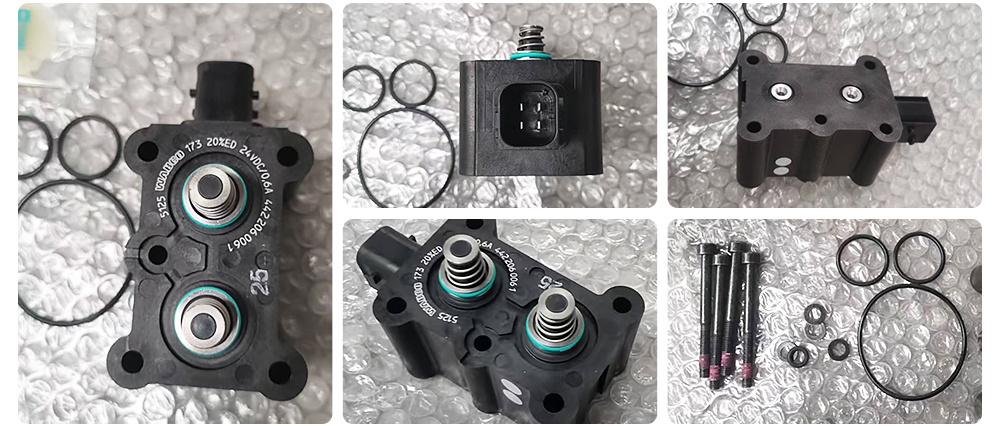
2. Kinematics of Lead-Braking: Why Trailers Must Brake First
When an 80 km/h tractor-trailer combination decelerates, mass inertia pushes against the fifth wheel:
- The Trailing Mass Momentum Hazard: A loaded 40-ton semi-trailer carries massive forward kinetic energy. If the tractor drive axle brakes lock first while the trailer rolls freely, the trailer pushes the tractor chassis from behind, causing the combination to fold violently into a fatal 90-degree jackknife.
- The 0.2 to 0.4 Bar Lead-Braking Differential: The trailer control valve incorporates a pre-loaded internal differential spring above its main relay piston. When the driver applies light pedal braking (e.g., 1.0 bar), the valve commands 1.2 to 1.4 bar into the yellow trailer service line.
- Tensioned Combination Dynamics: This pressure lead overcomes pneumatic line resistance through long 14-meter trailer pipes, ensuring trailer brake shoes bite the drums milliseconds before the tractor brakes engage. The trailer pulls gently backward on the kingpin, keeping the combination stretched in a straight, stable line.
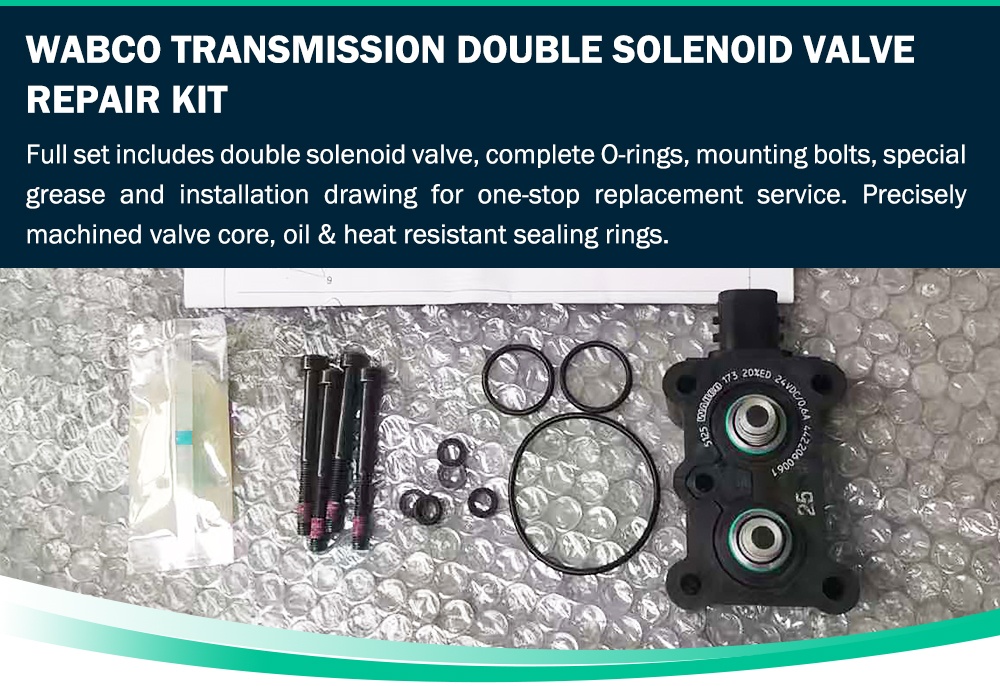
3. Troubleshooting Trailer Brake Lag, Dragging & Emergency Lockups
Air hissing from gladhands and overheated trailer brake drums trace to specific valve malfunctions:
| Observed Brake Malfunction | Most Probable Root Cause | Immediate Corrective Action |
|---|---|---|
| Trailer brakes engage with severe 1 to 2-second delay; tractor dives forward | Clogged control valve inlet micro-filter screen; cracked upper control diaphragm; swollen internal seals | Disassemble and clean valve inlet port; replace diaphragm and seal kit; clean air dryer |
| Trailer brakes drag permanently; brake drums blistering hot (>250°C) | Exhaust port #3 blocked by dried mud; residual pressure (>0.5 bar) held in yellow line; sticking relay piston | Clean exhaust rubber flap; test yellow gladhand for zero residual pressure; overhaul control valve |
| Trailer spring brakes slam on and lock up solid while driving on highway | Red emergency line pressure dropped below 0.45 MPa due to severed hose or failing valve regulator | Inspect red spiral hose for chafing ruptures; replace trailer control valve internal pressure protection seat |
| Air hisses continuously from exhaust port #3 when foot brake is NOT applied | Internal poppet valve disc perforated by carbonized compressor oil; leaking tractor handbrake valve | Disconnect Port 43 handbrake pilot line to isolate leak; rebuild trailer control valve with OEM kit |
4. Step-by-Step Gladhand Pressure Calibration Protocol
Testing trailer brake lead-pressure differential using dual test gauges:
- Park Combination on Flat Concrete: Chock all wheels, start the engine, and charge air tanks until the compressor governor unloads at 0.85 MPa (125 psi).
- Connect Dual Pressure Test Gauges: Connect a 1.0 MPa calibrated pressure gauge to the tractor rear drive axle brake chamber test port. Connect an identical gauge inline at the yellow service gladhand coupling between the tractor and trailer.
- Apply Light Service Brake (1.5 bar on Tractor): Have an assistant gently depress the foot brake pedal until the tractor rear axle gauge reads exactly 1.50 bar.
- Verify Lead-Braking Differential: The gauge connected to the yellow trailer gladhand must read between 1.70 bar and 1.90 bar.
- If Yellow Line Pressure is Below 1.50 bar: The trailer has negative lead (braking lag). Adjust the top hex adjusting plug on the trailer control valve clockwise to increase spring preload.
- If Pressure Exceeds 2.20 bar: Lead is excessive, causing aggressive trailer tire wear and premature brake lining consumption. Turn the adjusting plug counterclockwise to reduce differential.
Frequently Asked Questions
Q: What is the purpose of the manual trailer hand brake lever on the steering column?
A: The manual trailer trolley valve allows the driver to apply trailer service brakes independently without applying tractor brakes, useful for stretching the combination straight on icy or muddy downhill slopes to prevent jackknifing.
Q: What happens if the red and yellow gladhand air hoses are accidentally crossed?
A: Commercial gladhands feature keyed mechanical cast ears that physically prevent crossing lines. However, if forced together, full supply pressure in the service line will lock trailer brakes solid, preventing the vehicle from moving.
Q: Where can fleet operators procure genuine WABCO and Knorr-Bremse trailer control valves?
A: Browse our complete pneumatic brake catalog in the Heavy-Duty Spare Parts Category, inspect original Commercial Heavy Trucks, or consult our International FAQ Center.
Request Trailer Control Valves & Pneumatic Brake Parts Quotation
Recommended Semi-Trailers
 Sinotruk Howo Tractor Head |  Shacman F3000 Tractor Truck | 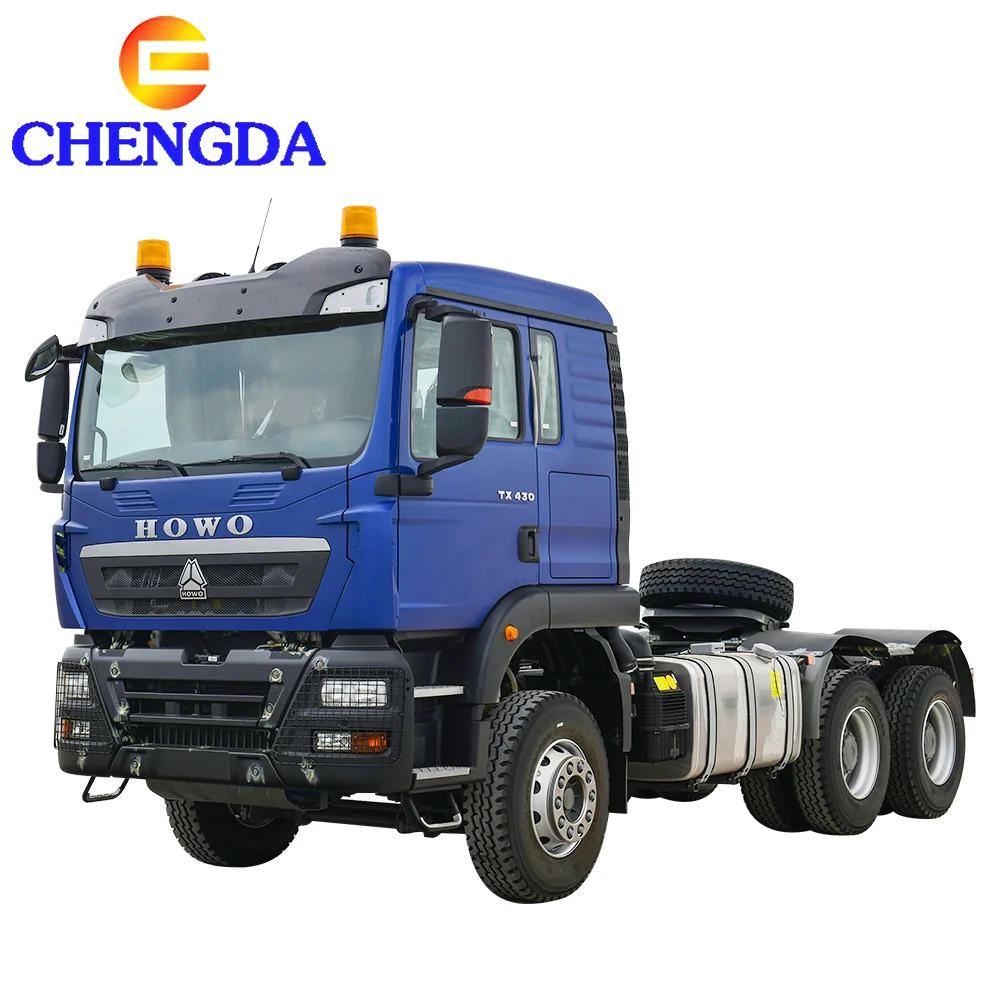 Howo TX 430hp 6x4 Tractor Truck |