In pneumatic commercial semi-trailer braking systems, compressed air reservoir tanks (typically dual 40L to 60L capacities) store reserve energy required to actuate multi-axle spring brake chambers and emergency relay valves under full-load highway stops. Choosing between corrosion-resistant 5052 aluminum alloy air tanks and heavy-duty carbon steel tanks dictates internal condensation rust resistance, chassis tare weight, and compliance with international ISO 28921 pneumatic pressure vessel safety standards.
1. Technical Specification Comparison: Carbon Steel vs. Aluminum Air Tanks
Corrosion dynamics, burst pressure ratings, and tare weights across commercial trailer air tanks:
| Engineering Metric | High-Tensile Carbon Steel Air Tank (Q235B) | Seamless Aluminum Alloy Air Tank (5052-H32) |
|---|---|---|
| Raw Material & Metallurgy | Dished carbon steel head plates with submerged arc welded seam | Deep-drawn marine-grade 5052 aluminum alloy (Seamless or TIG welded) |
| Working Air Pressure Rating | 0.85 – 1.0 MPa (approx. 125 – 145 psi) | 0.85 – 1.0 MPa (approx. 125 – 145 psi) |
| Hydrostatic Burst Test Pressure | ≥ 2.0 MPa (290 psi hydrostatic test certified) | ≥ 2.5 MPa (360 psi high safety margin) |
| Internal Moisture Corrosion Resistance | Vulnerable to internal rust flakes if drain valves are neglected | 100% immune to internal water rust and iron scale flaking |
| Tare Weight per 40L Tank | approx. 14.5 – 16.5 kg | approx. 6.5 – 7.5 kg (Over 50% lighter) |
| Chassis Tare Weight Impact (Pair) | Baseline steel weight (approx. 32 kg per trailer pair) | Saves approx. 16 to 20 kg per trailer setup |
| Port Thread Connection Standards | NPT or Metric M22 x 1.5 female threaded bosses | Anodized threaded bosses with reinforced anti-corrosion collars |
| Optimal Vehicle Application | Quarry dump trailers, lowbed heavy equipment carriers | Fuel tanker trailers, refrigerated box trailers, lightweight flatbeds |
2. Internal Condensation & Rust Flake Disasters
Compressed air heated by the engine compressor naturally cools inside trailer reservoir tanks, generating liquid water:
- The Danger of Carbon Steel Rust Scale: In carbon steel tanks, water pooling in the bottom creates corrosive rust flakes. When brakes apply, high-velocity air carries these metal particles downstream, tearing delicate rubber diaphragms inside WABCO relay valves and seizing ABS modulator valves.
- The Aluminum Advantage (Zero Scale): 5052 aluminum alloy forms a passive aluminum oxide boundary layer. Even if acidic condensate pools inside the tank for months, zero iron scale forms, guaranteeing pristine clean air delivery to brake chambers.
3. Manual vs. Automated Drain Valve Protocols
Water accumulation reduces effective compressed air volume, shortening available brake applications:
- Daily Manual Cable Pull Valves: Drivers must pull the spring-loaded wire lanyard attached to the brass bottom drain valve every evening. A brief 2-second blast exhausts accumulated moisture and oily sludge until dry air hisses.
- Automated Pneumatic Moisture Ejectors: High-spec trailers feature automated moisture drain valves that pulse a micro-exhaust cycle every time the trailer service brakes are applied, purging water droplets automatically without driver intervention.
4. Hydrostatic Pressure Testing & Mounting Safety
A compressed air tank is an energy storage vessel operating under lethal bursting pressures:
- External Corrosion Inspection: Check tank cradles where steel mounting straps contact the tank shell. Road salt and moisture trapped behind rubber strap liners can pit thin metal shells.
- Pressure Relief Safety Valve Setting: The secondary safety relief valve mounted on the primary reservoir must pop open cleanly at 1.1 MPa (160 psi) to prevent tank rupture if the tractor compressor governor sticks.
Frequently Asked Questions
Q: How many air tanks are required on a 3-axle semi-trailer?
A: International braking regulations mandate at least two separate reservoir tanks: a 40L to 45L service air reservoir for regular foot-brake applications, and a dedicated 40L emergency/parking air tank supplying spring brake chambers.
Q: Can an aluminum air tank be repaired if punctured by a road stone?
A: No! Under international pressure vessel safety codes, welding or patching a punctured air brake tank is strictly prohibited. Punctured or dented tanks must be discarded and renewed immediately.
Q: Where can fleet operators source certified trailer air tanks and drain valves?
A: Browse our complete pneumatic inventory in the Heavy-Duty Spare Parts Category, inspect original Commercial Semi-Trailers, or consult our International FAQ Center.
Inquire for Aluminum Air Tanks & Brake Valves Quotation
Recommended Semi-Trailers
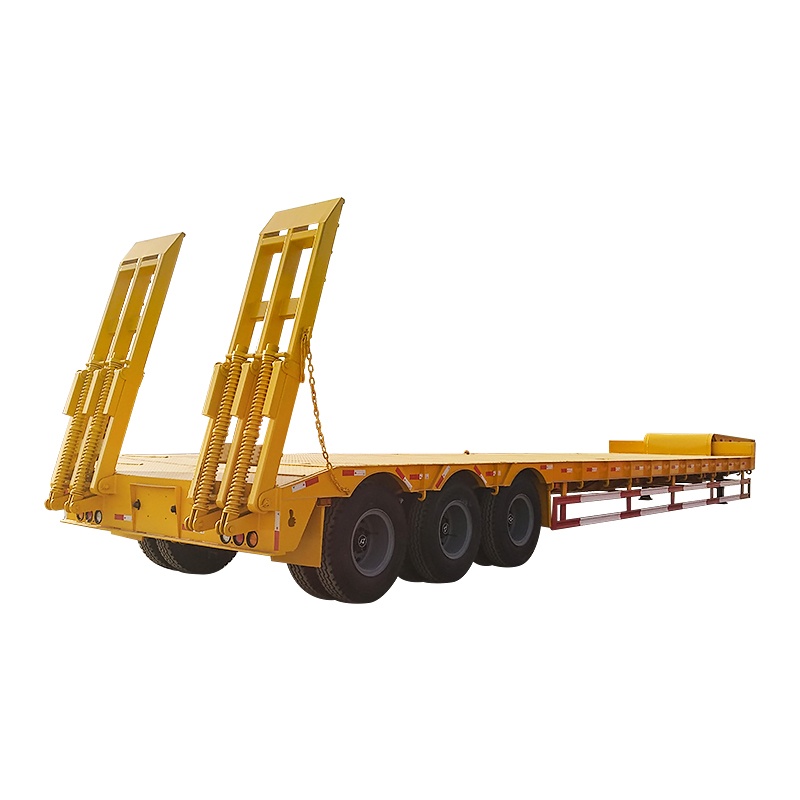 3 Axle Lowbed Semi Trailer | 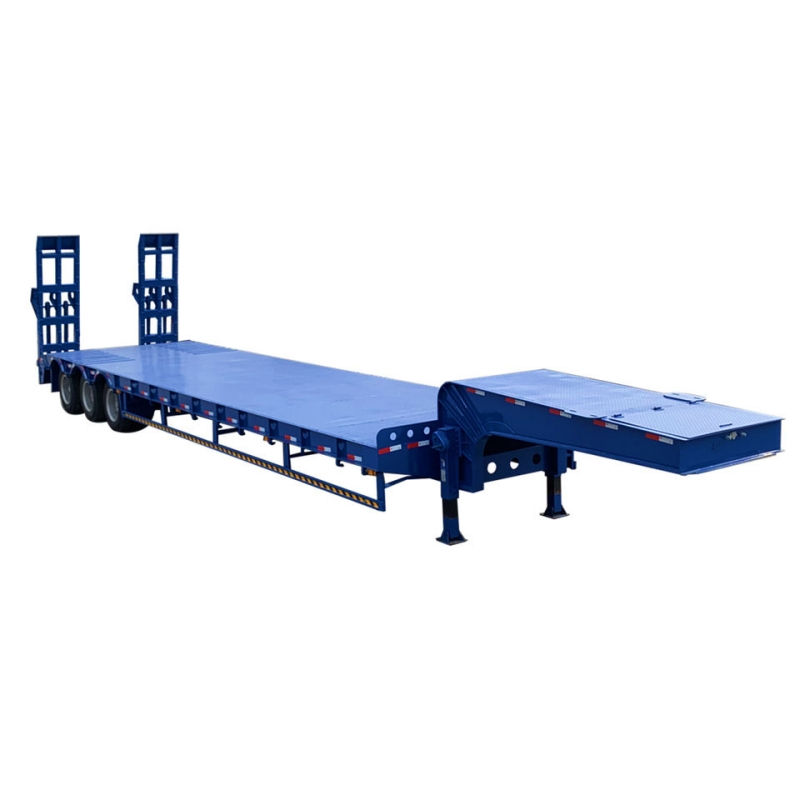 3 Axle Lowboy Trailer | 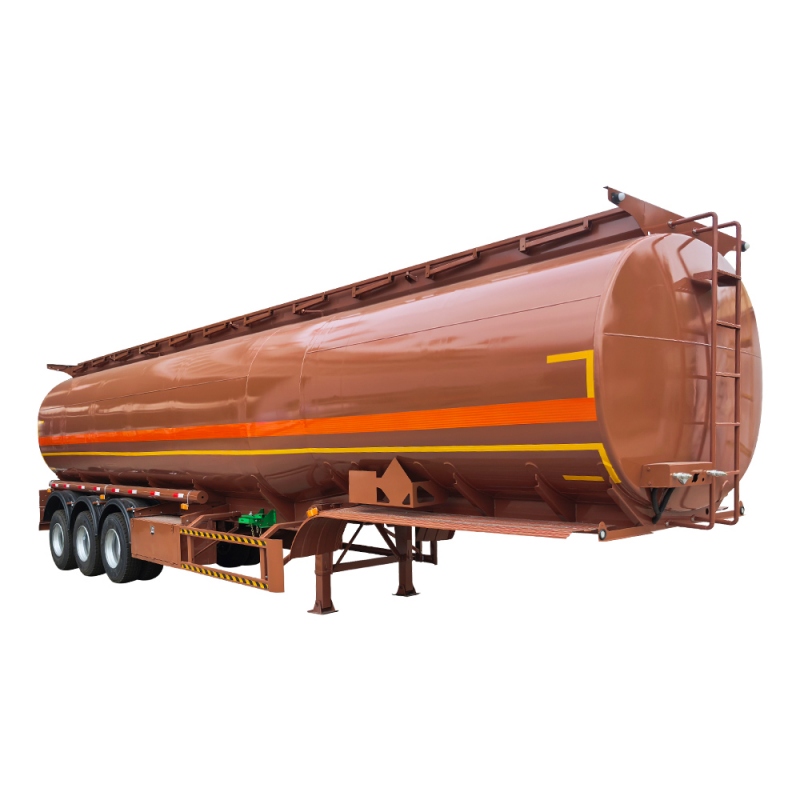 3 Axle Oil Tank Trailer |