International ocean freight accounts for 15% to 25% of the total landed cost of commercial vehicles and semi-trailers imported from China. Navigating the economic trade-offs between Roll-on/Roll-off (RORO) specialized car carriers and break-bulk multi-purpose cargo vessels, mastering the 3-in-1 trailer stacking technique, and applying marine-grade paraffin wax coatings ensures vehicles arrive at African and Latin American ports undamaged and free of ocean salt corrosion.
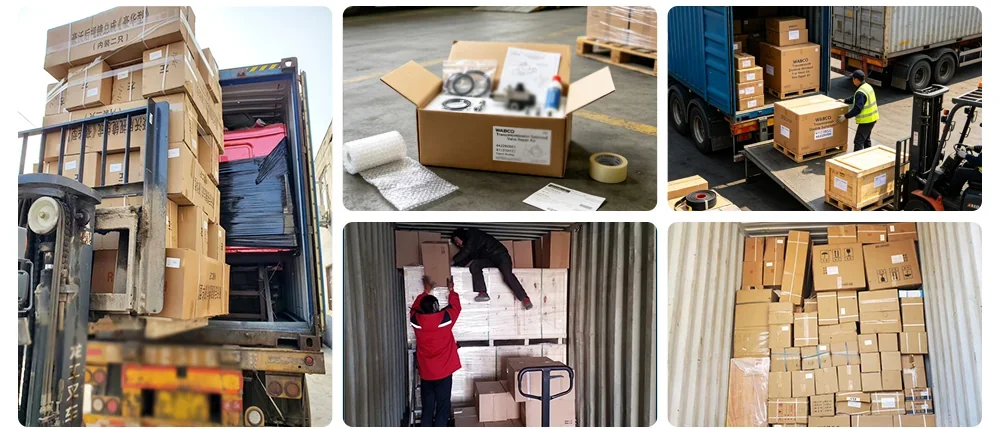
1. Maritime Shipping Mode Comparison: RORO vs. Break-Bulk vs. Container Flat-Rack
Freight rates, transit security, and scheduling flexibility differ significantly across maritime transport modes:
| Shipping Method | Ideal Vehicle Category | Ocean Freight Cost Level | Weather & Salt Spray Protection | Port Destination Availability |
|---|---|---|---|---|
| Roll-on/Roll-off (RORO) | Self-propelled trucks, tippers, tractor heads, buses | Higher freight cost (priced per vehicle unit or lane meter) | Maximum protection (enclosed waterproof vehicle deck) | Major global ports only (Apapa, Mombasa, Durban, Callao) |
| Break-Bulk Vessel (BB) | Stacked semi-trailers (flatbeds, skeletons), oversized tippers | Lowest cost per unit (stacking cuts volume by 60%) | Moderate protection (stowed under deck or tarped on weather deck) | Universal availability across all regional seaports |
| Flat-Rack Container (FR) | Disassembled heavy chassis, 2-axle small trailers, machinery | Moderate to high (priced per 40ft FR container slot) | Exposed to sea spray on container vessels | Frequent weekly container liner departures |
| Standard 40ft HQ Container | Disassembled lightweight skeletal trailers (cut gooseneck) | Fixed container box rate (requires port reassembly welding) | Total weather protection inside sealed steel box | All container terminals globally |
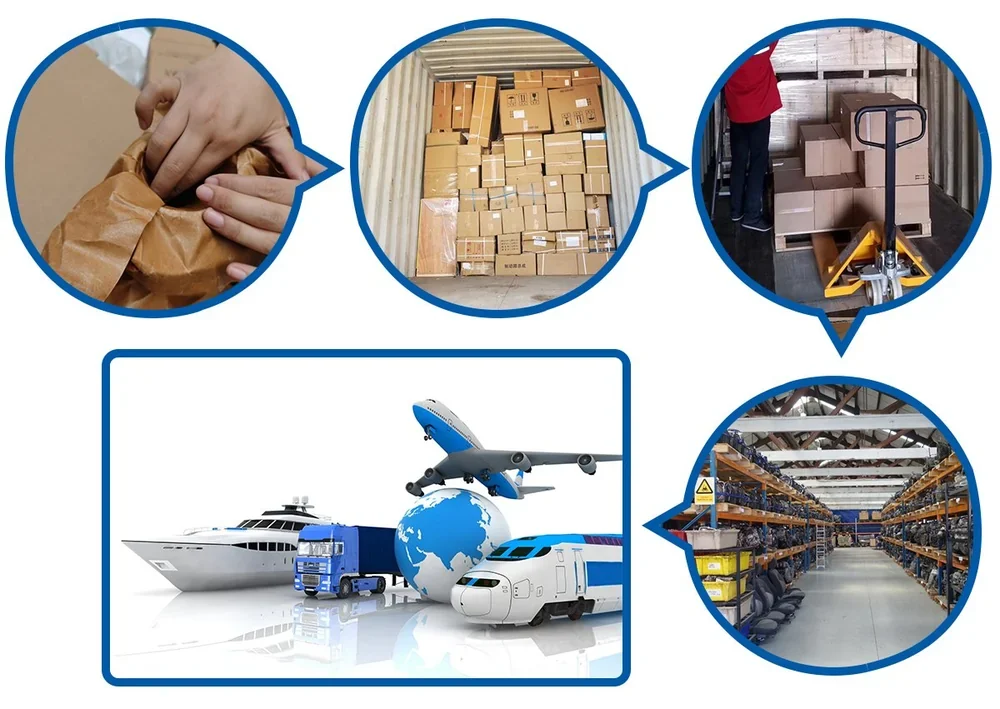
2. The "3-in-1" Trailer Stacking Architecture: Slashing Ocean Freight by 60%
Because empty semi-trailers consume massive cubic meter (CBM) volume, ocean liners charge exorbitant freight if shipped singly:
- Stacking Hierarchy: Three flatbed or skeletal trailers are stacked vertically into a single consolidated cargo bundle. The bottom trailer rests directly on its road tires and axles. The second and third trailers have their tires removed and are inverted or laid flat on heavy wooden dunnage beams.
- Heavy Steel Lashing Rods & Turnbuckles: The three chassis are locked together with 16mm steel wire rope clamps, diagonal turnbuckles, and welded U-lock stop blocks, forming a rigid monolithic bundle capable of withstanding 30-degree ocean ship rolls in rough seas.
- Consolidated Parts Storage: The space between stacked trailer main beams is used to pack disassembled spare tires, mudguards, landing legs, and toolboxes at zero additional sea freight cost.
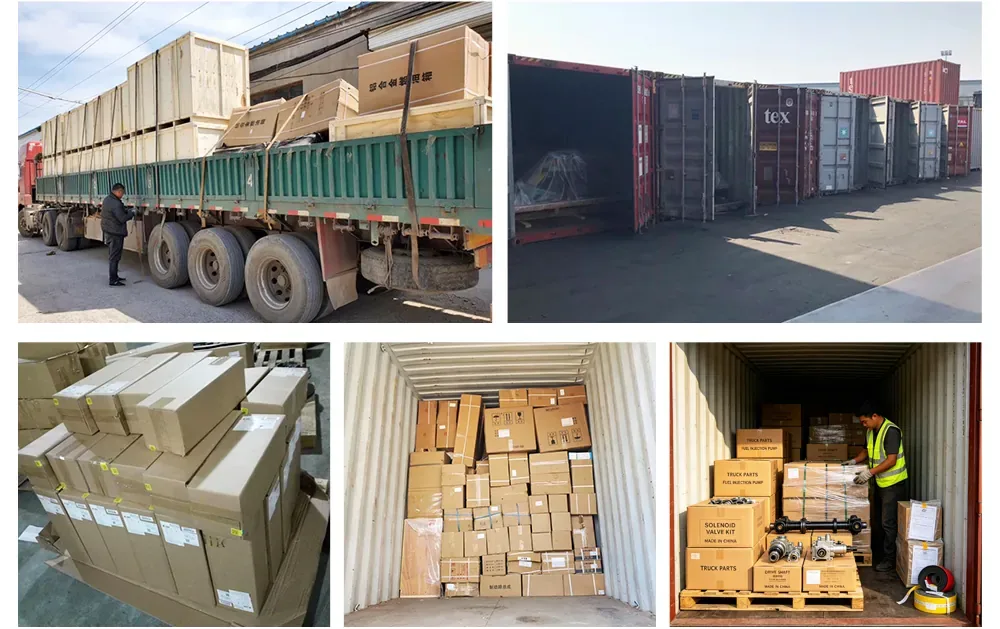
3. Marine Paraffin Wax Coating: Preventing Salt Fog Corrosion
During a 40-day transoceanic voyage through the Indian or Atlantic Ocean, salt-laden sea mist corrodes bare metal surfaces within days:
- Full-Body Paraffin Wax Spraying: Prior to port delivery at Qingdao or Tianjin, Chengda sprays all truck chassis, cab undersides, suspension leaf springs, and brake drums with an industrial hydrophobic paraffin protective wax.
- Electrical Harness Protection: All electrical junction boxes, alternator terminals, and battery isolator switches are sealed with waterproof silicone tape to prevent salt bridging.
- Easy Field Dewaxing: Upon vehicle arrival at destination ports, the protective wax film washes off easily using high-pressure warm water and standard detergent.
4. Port Rigging & Crane Hoisting Safety Standards
Improper crane slinging causes severe frame bending during port discharge:
- Dedicated Crane Spreader Beams: Long 40ft trailers must be hoisted using rigid spreader bars to ensure crane lifting cables pull strictly vertical, preventing inward crushing of trailer side rails.
- Padded Sling Contact Points: Heavy nylon web slings or padded steel cables must wrap around reinforced axle seats or designated chassis lift lugs, never around brake chambers or air lines.
Frequently Asked Questions
Q: How many semi-trailers can be stacked together on a break-bulk vessel?
A: Standard flatbed, dropside, and skeletal trailers are stacked in bundles of 3 units (or 2 units for high-wall models) to stay within port crane safe working load limits (under 25 tons per bundle).
Q: Can heavy dump trucks be shipped on break-bulk ships without driving?
A: Yes. Non-running or exported new trucks can be hoisted directly into the ship's lower cargo hold using specialized wheel nets or spreader beam slings.
Q: Where can international buyers get bundled freight quotations?
A: Explore our full catalog in the Semi-Trailers Category, view the 3-Axle Flatbed Trailer, or consult our International FAQ Center.
Request Landed Ocean Freight Quote & Shipping Schedule
Recommended Semi-Trailers
 3 Axle Flatbed Trailer |  3 Axle Lowboy Trailer |  3 Axle Container Chassis Trailer |