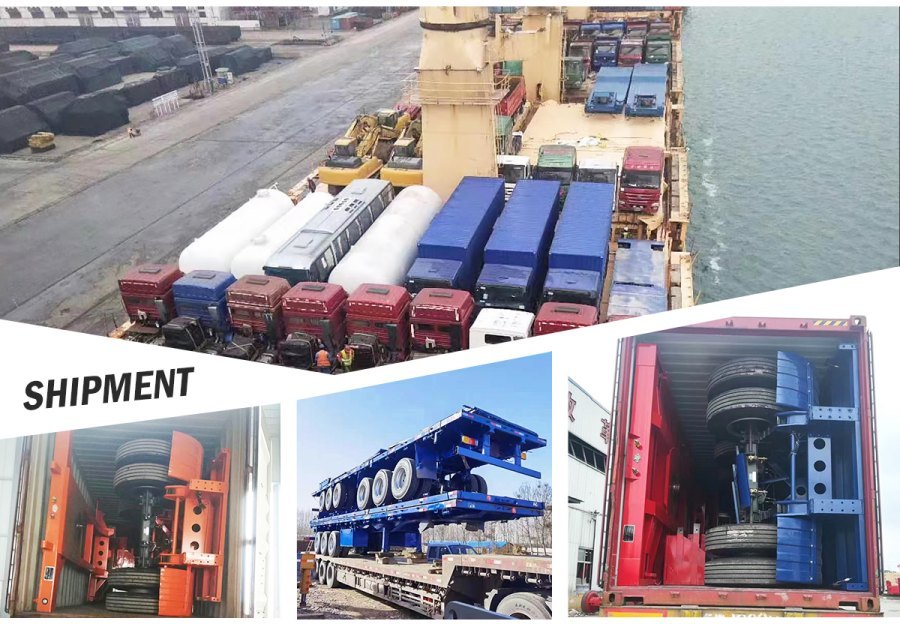
At the Autonomous Port of Conakry (Port Autonome de Conakry - PAC / Alport Conakry) in the Republic of Guinea, over 70% of imported heavy commercial vehicles (Sinotruk Howo 8x4 tippers, Shacman 420HP tractor heads, and mining water tankers) arrive aboard multi-purpose breakbulk cargo vessels rather than dedicated Ro-Ro ships. Discharging 15 to 20-ton commercial trucks from deep cargo holds using shipboard deck cranes requires specialized spreader beams and wheel-basket synthetic round slings, avoiding destructive chassis rail buckling, followed by thorough high-pressure freshwater de-waxing to eliminate corrosive Atlantic marine salt mist deposits.
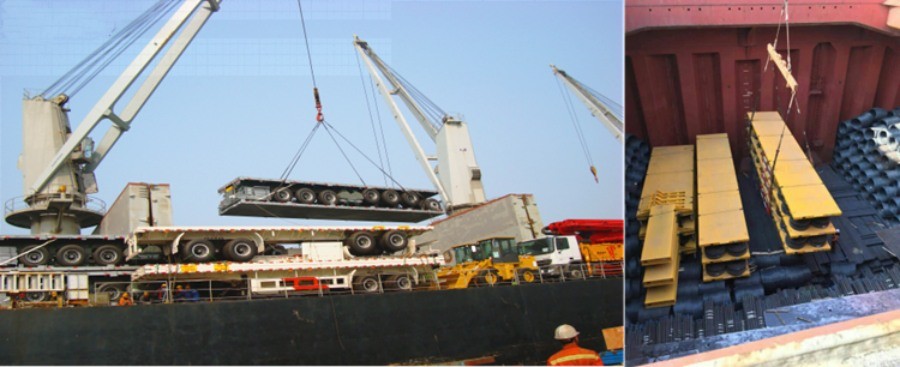
1. Technical Specification Comparison: Ro-Ro Ramp Roll-Off vs. Breakbulk Crane Hoisting
Vessel handling methods, crane rigging gear requirements, and marine damage risk profiles:
| Discharge Handling Parameter | Pure Car / Truck Carrier (PCTC / Ro-Ro Ramp Discharge) | Multi-Purpose Breakbulk Vessel (Ship Crane Crane Hoisting) |
|---|---|---|
| Vessel Unloading Method | Driven roll-off under vehicle power via stern vehicle ramp | Lifted vertically out of cargo hold by 30-ton to 45-ton ship gear cranes |
| Rigging Hardware Required | None (Tied down with web ratchet lashings inside vessel) | Certified 25-ton spreader lifting beams + 4 x 10-ton polyester round slings |
| Chassis Crushing Risk | Zero risk of vertical crushing or lifting deformation | Severe risk if direct slings are pulled without a wide spreader beam |
| Ocean Freight Rate Comparison | Higher freight rates (Limited Ro-Ro space to Conakry) | approx. 20% to 35% lower ocean shipping cost per vehicle unit |
| Cab & Body Salt Fog Exposure | Enclosed garage decks protect paint and electrical harness | Weather-deck stowage exposes trucks to 35 days of Atlantic salt spray |
| Discharge Speed per Vessel | Rapid: approx. 30 to 50 vehicles rolled off per hour | Moderate: approx. 8 to 12 trucks hoisted per crane per hour |
| Vehicle Battery Condition on Arrival | Batteries frequently discharged; requires booster jump-start | Batteries isolated; requires terminal reconnect and 24V recharge |
| Port Terminal Infrastructure | Requires deep-water Ro-Ro berth and vehicle marshalling yard | Standard commercial general cargo berth (Quai Alport Conakry) |
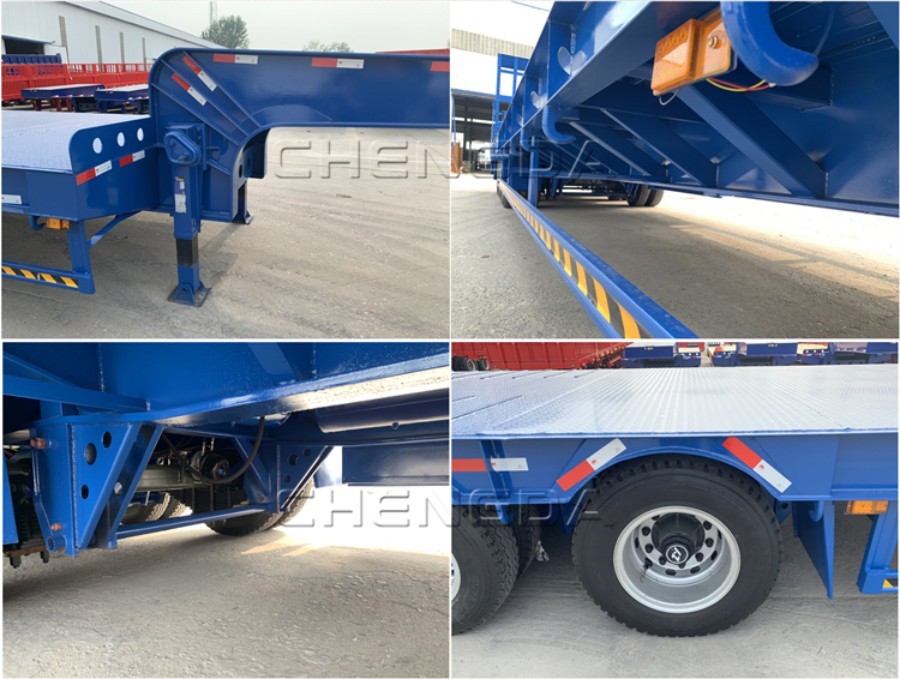
2. Rigging Engineering: The Spreader Beam Rule vs. Crushed Cabs
Improper crane rigging represents the primary source of transit damage to imported commercial trucks:
- The Direct Sling Crushing Hazard: If stevedores hook four long wire rope slings directly to a single crane crane hook without an intermediate spreader beam, the sling angle pulls inward. The intense lateral tension crushes the sheet-metal driver cab, bends front bumper brackets, and pinches hydraulic dump hoist cylinders like tin cans.
- The Heavy Tubular Spreader Beam Mandate: A rigid 2.8-meter-wide steel spreader beam must be positioned directly above the truck centerline. Slings drop vertically straight down, ensuring zero inward compressive load on the cab or chassis rails.
- Wheel Basket Slings (Never Hook Steer Arms!): Heavy synthetic endless round slings (minimum 10-ton Working Load Limit) wrap around the outer perimeter of the front and rear tires, lifting the vehicle via its heavy forged wheel rims. Never attach steel crane hooks to steering tie-rods, drag links, or drive shafts!
3. Post-Discharge Port Terminal Clearance & PDI De-Waxing
Surviving maritime transit across the tropical Atlantic demands immediate terminal maintenance:
- High-Pressure Freshwater Paraffin De-Waxing: Prior to ocean voyage, Chengda coats all export vehicles with an industrial hydrophobic paraffin protective wax. Within 48 hours of discharge at Conakry port, clearing crews must pressure-wash the vehicle using heated 60°C water mixed with biodegradable petroleum solvent to remove wax and crystallized marine salt that would otherwise corrode copper wiring and brake lines.
- Terminal 24V Battery Reactivation: Factory protocol disconnects negative battery cables during ocean voyage to prevent parasitic drain. Port mechanics reconnect terminals, inspect electrolyte levels, and utilize high-output 24V portable battery boosters to start Weichai and Sinotruk engines.
- Tire Pressure Re-Inflation: Tires are deliberately deflated to 4.0 bar during maritime shipping to absorb vessel rolling motions. Re-inflate all tires to full operational highway pressures (8.5 bar for 315/80R22.5, 9.0 bar for 12.00R20).
4. Conakry Port Customs Gate Clearance Protocols (Alport Conakry)
Navigating customs clearance through the Direction Générale des Douanes Guinéennes:
- Electronic BESC Verification: Customs officers cross-check the carrier manifest against the pre-validated Bordereau Électronique de Suivi des Cargaisons (BESC) issued in China.
- Chassis Physical Inspection (Scanning): Vehicles proceed through the port gate scanner to verify physical chassis VIN stampings against the original commercial invoice.
- Exit Gate Pass Issuance: Once import duties, VAT, and Alport Conakry terminal handling charges (THC) are settled, the terminal issues the formal Bon à Enlever (BAE), allowing trucks to drive directly onto the RN1 highway towards the mining corridors of Boké or Kindia.
Frequently Asked Questions
Q: What should an importer do if a truck cab is damaged during ship crane discharge?
A: Importers must demand an immediate joint physical survey with the vessel chief mate and the port insurance surveyor before the vehicle leaves the quayside apron, endorsing the formal "Survey Report" on the delivery receipt to secure maritime insurance claims.
Q: Can trucks be driven directly from Conakry port to the Boké mines without registration plates?
A: Yes. The Guinean Ministry of Transport issues temporary transit passes (Plaques d'Immatriculation Temporaires - WW) valid for 15 days, allowing newly imported trucks to drive legally from the port to regional mine sites.
Q: Where can Guinean mining consortiums procure factory-direct trucks with Conakry port shipping arrangements?
A: Browse our complete commercial vehicle catalog in the Commercial Trucks Category, view our Commercial Semi-Trailers, or consult our International FAQ Center.
Request Conakry Port Delivery Quotation & Shipping Schedule
Recommended Semi-Trailers
 3 Axle Flatbed Trailer | 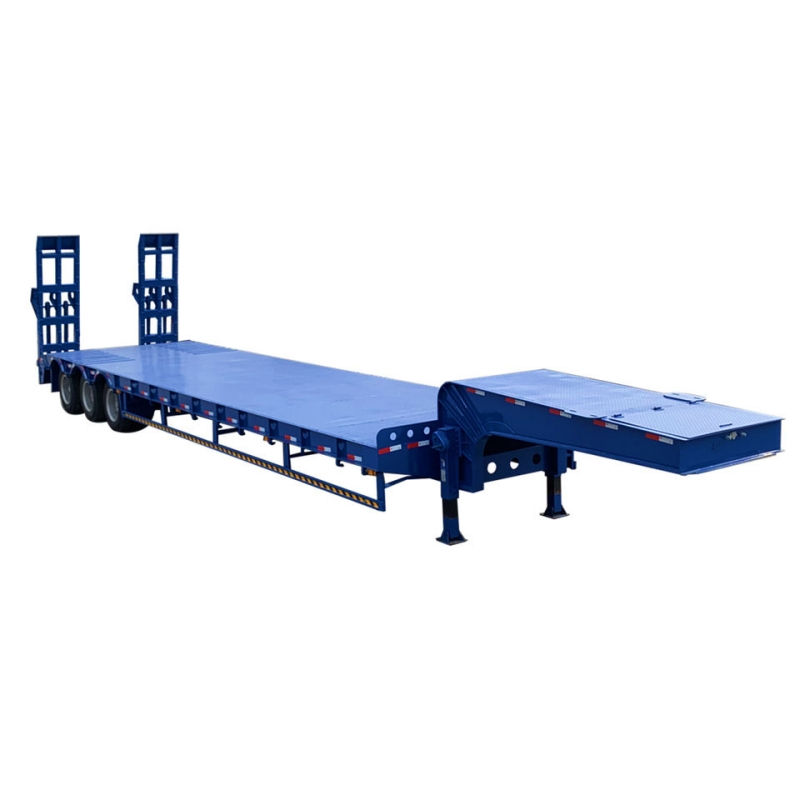 3 Axle Lowboy Trailer |  3 Axle Container Chassis Trailer |