In heavy industrial construction, refinery maintenance, bridge erection, and mining machinery assembly across Africa, Latin America, and Southeast Asia, selecting the correct hydraulic telescopic truck crane capacity class (25-ton, 50-ton, or 70-ton) dictates lifting radiuses, job site mobilization speeds, and crane rental profitability. Comparing global export benchmarks—including the XCMG QY25K5-I (25T), SANY STC500 (50T), and Zoomlion ZTC700 (70T)—engineered on heavy multi-axle carrier chassis powered by Weichai or Shangchai engines, ensures contractors match crane load charts to required project lifting envelopes.
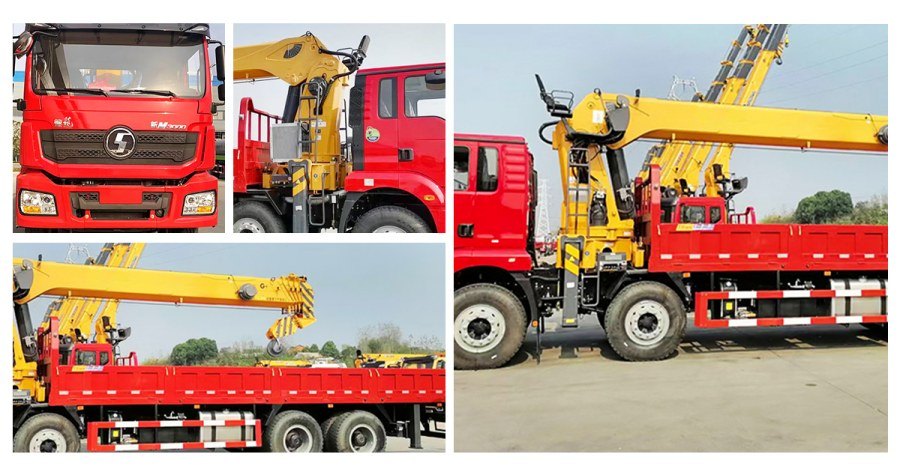
1. Technical Specification Comparison: 25-Ton vs. 50-Ton vs. 70-Ton Mobile Cranes
Boom extension lengths, outrigger spans, counterweight configurations, and engine ratings across crane tiers:
| Engineering Parameter | 25-Ton Class (e.g., XCMG QY25K5-I / SANY STC250) | 50-Ton Class (e.g., SANY STC500 / XCMG QY50KA) | 70-Ton Heavy Class (e.g., Zoomlion ZTC700 / XCMG XCT70) |
|---|---|---|---|
| Carrier Chassis Axles | 3 Axles (6x4 Drive / Single front steer + tandem rear) | 4 Axles (8x4 Drive / Dual front steer + tandem drive) | 4 Axles (8x4 Drive / Heavy multi-leaf suspension) |
| Maximum Rated Lifting Capacity | 25,000 kg @ 3.0 Meters working radius | 50,000 kg @ 3.0 Meters working radius | 70,000 kg @ 3.0 Meters working radius |
| Telescopic Main Boom Sections | 5 U-shaped or octagonal telescopic boom sections | 5 U-shaped high-tensile structural boom sections | 5 or 6 U-shaped high-yield Weldfast steel sections |
| Main Boom Base to Fully Extended | 10.6 Meters base → 40.0 Meters fully extended | 11.5 Meters base → 43.5 Meters fully extended | 11.8 Meters base → 45.0 – 48.0 Meters extended |
| Jib Extension Length (Fly Jib) | 8.3 Meters lattice fly jib (Max tip height: 48.5m) | 9.2 – 16.0 Meters lattice jib (Max tip height: 59.5m) | 9.5 – 16.0 Meters (Max tip height: 64.0m) |
| Outrigger Spread (Transverse x Longitudinal) | 6.0 m (Transverse span) x 5.1 m (Longitudinal) | 7.2 m (Transverse span) x 6.0 m (Longitudinal) | 7.8 m (Transverse span) x 6.5 m (Longitudinal) |
| Carrier Diesel Engine Power | Weichai / Shangchai (280 HP – 300 HP) | Weichai WP10 / WP12 (336 HP – 375 HP) | Weichai WP12 (375 HP – 400 HP Euro III / IV) |
| Road Travel Speed & Gross Weight | Max 80 km/h ; Gross weight: approx. 32,400 kg | Max 85 km/h ; Gross weight: approx. 41,000 kg | Max 80 km/h ; Gross weight: approx. 46,000 kg |
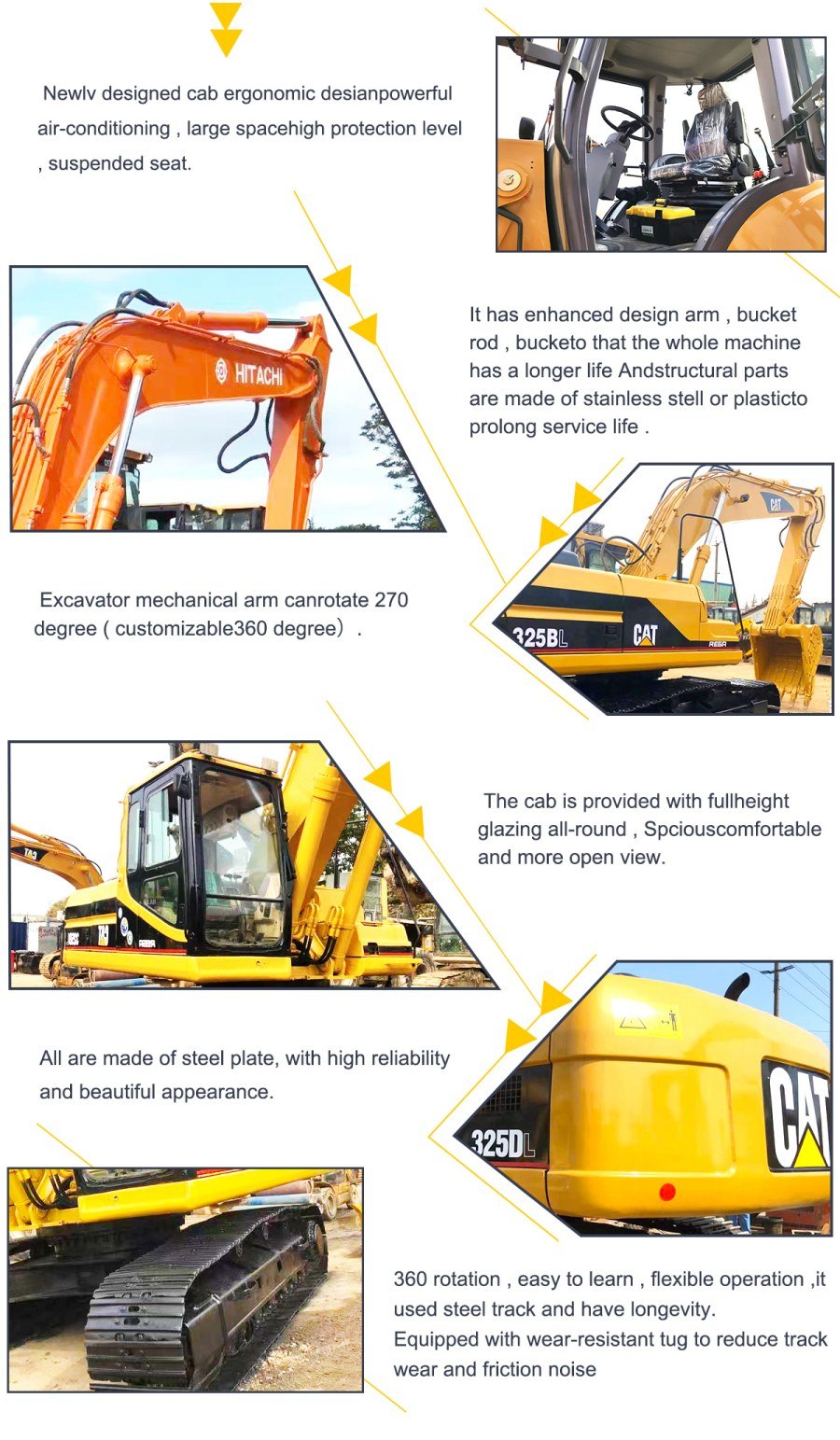
2. Demystifying the Crane Load Chart: Working Radius vs. Lifting Tonnage
A common mistake among equipment buyers is assuming a 25-ton crane can lift 25 tons across any distance:
- The Nominal Capacity Geometry (3-Meter Limit): The rated capacity (e.g., 25 tons) is strictly limited to the shortest boom length (approx. 10.5m) at a minimal 3.0-meter radius directly behind the rear outriggers.
- Capacity Drop-Off at Full Outreach: When the 25-ton crane extends its boom to 40 meters at a 20-meter working radius, safe lifting capacity drops to approximately 1.5 to 2.2 tons.
- Selecting for Real-World Jobs: For erecting 5-ton precast bridge beams or installing 8-ton mining transformers at a 15-meter horizontal outreach, a 50-ton mobile crane (SANY STC500 / XCMG 50T) is mandatory to operate within the 75% stability margin required by international safety codes.

3. High-Strength U-Shape Boom Profiles: Resisting Bending Deflection
Modern mobile crane booms utilize single-plate pressed U-shaped cross-sections rather than traditional box booms:
- Bending Deflection Resistance: U-shaped boom profiles (formed from European Weldox or Chinese high-yield steel) eliminate sharp corner weld lines, distributing lateral and vertical compressive stress evenly around the curved belly.
- Single-Cylinder Pinning vs. Cable Sequencing: 25-ton cranes utilize internal hydraulic multi-stage cylinders with heavy synchronization wire ropes to extend all sections together, while heavy 70-ton cranes employ computerized single-cylinder automatic pinning mechanisms to optimize boom section extension sequences.
4. Load Moment Indicator (LMI) & Anti-Two-Block Safety Systems
Computerized safety computers protect mobile cranes from structural failure and tip-overs:
- The Load Moment Indicator (Hirschmann / PAT LMI): Continuously calculates total load, boom length, boom elevation angle, and percentage of tipping moment. If an operator attempts to lift beyond safe limits, the LMI sounds an audible alarm and instantly cuts hydraulic flow to the hoist winch and boom-down cylinders.
- Anti-Two-Block (A2B) Limit Switch: Prevents the hook block from traveling upward into the boom nose pulleys, preventing wire rope severance and dropped loads.
Frequently Asked Questions
Q: What is the most versatile mobile crane capacity for general civil construction in Africa?
A: The 25-ton class (XCMG QY25K5-I) is the undisputed rental workhorse across Africa. Its compact 3-axle carrier navigates tight urban streets, sets up quickly, and handles 80% of municipal lifting tasks (steel structures, generators, pipeline laying).
Q: How are mobile cranes transported overseas from Chinese ports?
A: Mobile cranes are driven directly aboard Roll-on/Roll-off (RORO) vessels or hoisted by heavy harbor gantry cranes into the lower cargo holds of break-bulk multi-purpose ships, fully assembled with counterweights secured.
Q: Where can construction and mining contractors procure reliable mobile truck cranes?
A: Explore our complete lifting catalog in the Construction Machinery Category, view our matching Commercial Heavy Trucks, or consult our International FAQ Center.
Request Mobile Crane Load Charts & Export Quotation
Recommended Semi-Trailers
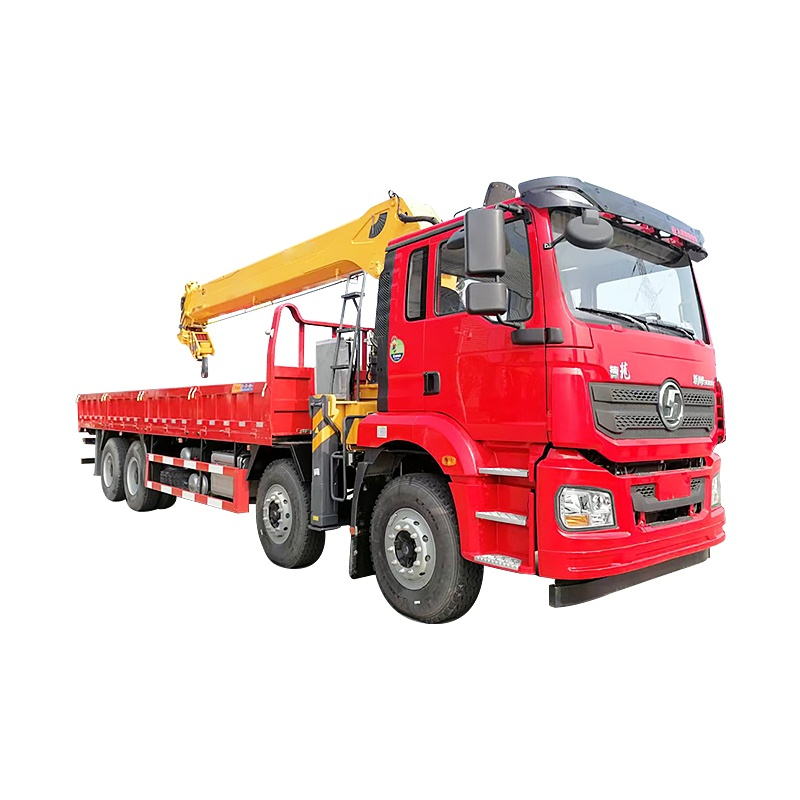 Shacman Delong Truck-Mounted Crane | 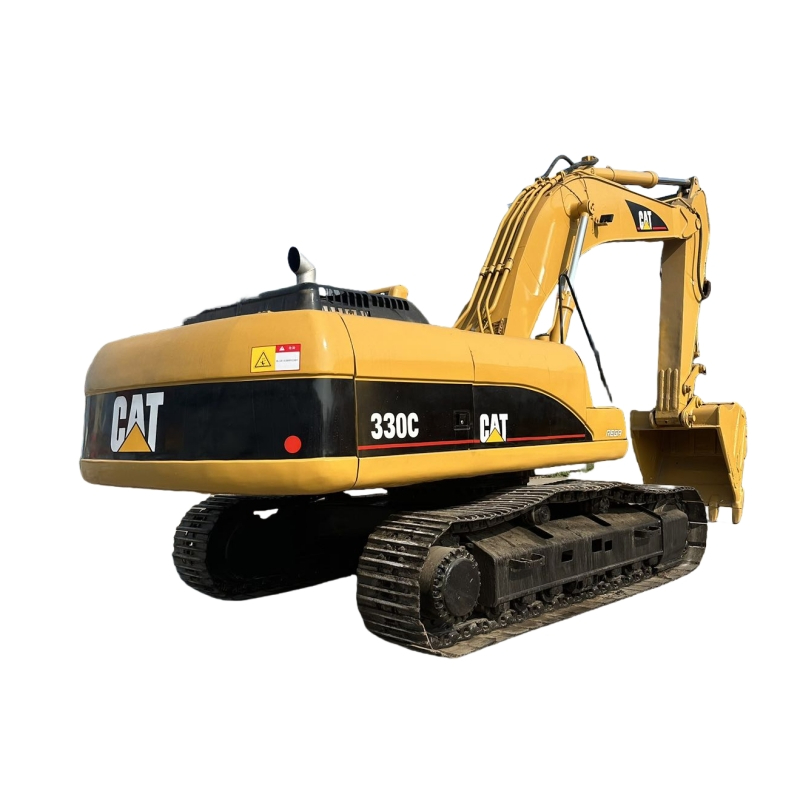 Caterpillar 330C Excavator |  Howo 8x4 Dump Truck |