In heavy commercial diesel engines operating under full-load 40 to 60-ton transport conditions (Sinotruk D12, Weichai WP10/WP12, Cummins ISG), the exhaust gas turbocharger (Holset / Garrett / Schwitzer wastegate designs) spins at rotational speeds exceeding 100,000 to 140,000 rpm while exposed to 650°C exhaust gas temperatures. Compressing ambient air up to 0.22 to 0.28 MPa (2.2 to 2.8 bar boost pressure), diagnosing compressor impeller wheel erosion, identifying oil seal leaks into the charge-air intercooler, and testing wastegate actuator diaphragms prevents catastrophic engine runaway and severe power loss.
1. Technical Specification Comparison: Standard Fixed vs. Wastegate vs. VGT Turbochargers
Boost pressures, turbine wheel alloys, and bearing lubrication requirements across heavy truck turbochargers:
| Engineering Parameter | Wastegate Turbocharger (Standard Heavy Truck Spec) | Variable Geometry Turbocharger (VGT / VNT Spec) |
|---|---|---|
| Maximum Boost Pressure | 0.22 – 0.28 MPa (approx. 32 – 40 psi gauge pressure) | 0.28 – 0.35 MPa (High low-end boost response) |
| Rotational Speed Range | Up to 110,000 – 140,000 rpm under full load | Up to 130,000 – 160,000 rpm |
| Turbine Wheel Metallurgy | Inconel 713C nickel-chromium superalloy (Heat resistant to 750°C) | High-temperature Inconel superalloy with adjustable stator vanes |
| Compressor Wheel Material | Cast aluminum alloy or forged billet aluminum wheel | Precision CNC machined forged billet aluminum |
| Bearing System Architecture | Fully floating bronze journal bearings + 360° thrust bearing | Hydrodynamic 360° thrust journal bearing system |
| Lubrication Oil Flow Rate | approx. 3.0 – 5.0 Liters / minute @ 0.35 – 0.55 MPa oil pressure | approx. 4.0 – 6.0 Liters / minute pressurized oil feed |
| Tolerance to High-Sulfur Soot | High (Simple mechanical wastegate flap resists carbon gumming) | Low (Variable vanes stick and seize easily from soot in African diesel) |
| Optimal Engine Applications | Sinotruk Howo WD615/D12, Weichai WP10/WP12 (Euro II / III / IV) | Modern Euro V / VI electronic engines (High-speed logistics) |
2. How Oil Leaks Into Intercoolers: Piston Ring Dynamic Seal Physics
Contrary to common belief, turbocharger center housings do not use rubber lip seals:
- Dynamic Piston Ring Seals: Steel split-ring seals (similar to microscopic engine piston rings) sit in precision grooves on the turbine shaft. They do not touch the casing under heavy pressure; they create a tortuous labyrinth barrier.
- Why Idle Causes Turbo Oil Leaks: The labyrinth seal relies entirely on positive air pressure inside the compressor housing to hold oil inside the bearing cavity. When an engine idles for extended periods (>20 minutes), intake manifold vacuum draws engine oil past the dynamic seal into the aluminum compressor housing, pumping liquid oil directly into the charge-air intercooler.
- The Risk of Diesel Engine Runaway: Liquid engine oil pooling inside the bottom of the intercooler can be sucked into cylinders during hard highway acceleration, causing an uncontrollable engine runaway where the engine revs past redline on its own crankcase oil.
3. Troubleshooting Common Turbocharger Malfunctions in Field Operations
Field mechanics can diagnose primary turbo failures through sound, smoke, and shaft clearances:
| Observed Engine Symptom | Most Probable Root Cause | Immediate Corrective Action |
|---|---|---|
| High-pitched police siren whining noise during acceleration | Compressor wheel blade tips chipped or bent from ingested dirt; shaft balance lost; wheel rubbing housing | Inspect compressor intake blades with flashlight; replace turbocharger cartridge (CHRA); replace torn air filter |
| Engine lacks power climbing hills; dense black smoke | Split silicone intercooler connector hose; leaking wastegate diaphragm actuator; stuck open wastegate valve | Pressure-test charge air piping at 0.25 MPa; replace torn intercooler rubber elbow; test wastegate rod stroke |
| Blue-gray smoke from exhaust under acceleration | Turbine-side dynamic seal ring worn; clogged turbo oil drain pipe creating back-pressure in center housing | Inspect turbo oil drain pipe for carbon sludge restrictions; replace turbocharger cartridge assembly |
| Excessive radial shaft play (Blades contact housing wall) | Bronze journal bearings destroyed by oil starvation, dirty oil particles, or shutting down engine hot | Replace complete turbocharger; verify engine oil pressure (>0.3 MPa); flush oil supply line |
4. Turbocharger Operational Protocols: The 3-Minute Idle Rule
Over 70% of premature turbocharger bearing seizures result from incorrect driver shutdown habits:
- The "Hot Shutdown" Disaster: After pulling a 50-ton load up a steep highway mountain grade, the turbo turbine wheel glows red-hot at over 600°C. If the driver shuts the engine off immediately, oil pressure drops to zero while the shaft still spins at 80,000 rpm. Heat soaks from the exhaust housing into the center core, boiling stagnant oil into hard abrasive carbon grit that ruins bearings on the very next startup.
- The 3-Minute Cool-Down Idle Rule: Always let the engine idle for 3 to 5 minutes before switching off the ignition. Continuous oil circulation cools the center housing below 180°C, extending turbocharger operational life past 500,000 kilometers.
Frequently Asked Questions
Q: What is the maximum allowable radial and axial shaft play on a heavy truck turbo?
A: Axial end-play (pushing and pulling shaft along its length) must measure under 0.08 mm. Radial play (side-to-side wiggle) must remain under 0.40 mm, ensuring compressor blade tips never touch the aluminum housing contour.
Q: Can a damaged turbocharger compressor wheel be straightened with pliers?
A: Absolutely not! Straightening a bent aluminum blade with pliers creates micro-cracks that cause the blade to shatter at 120,000 rpm, sending shrapnel into the engine cylinders and destroying valves and pistons.
Q: Where can fleet operators source genuine Holset and Garrett turbochargers and CHRA cartridges?
A: Browse our complete induction system inventory in the Heavy-Duty Spare Parts Category, inspect original Diesel Engine Assemblies, or consult our International FAQ Center.
Request Turbochargers & Engine Replacement Parts Catalog
Recommended Semi-Trailers
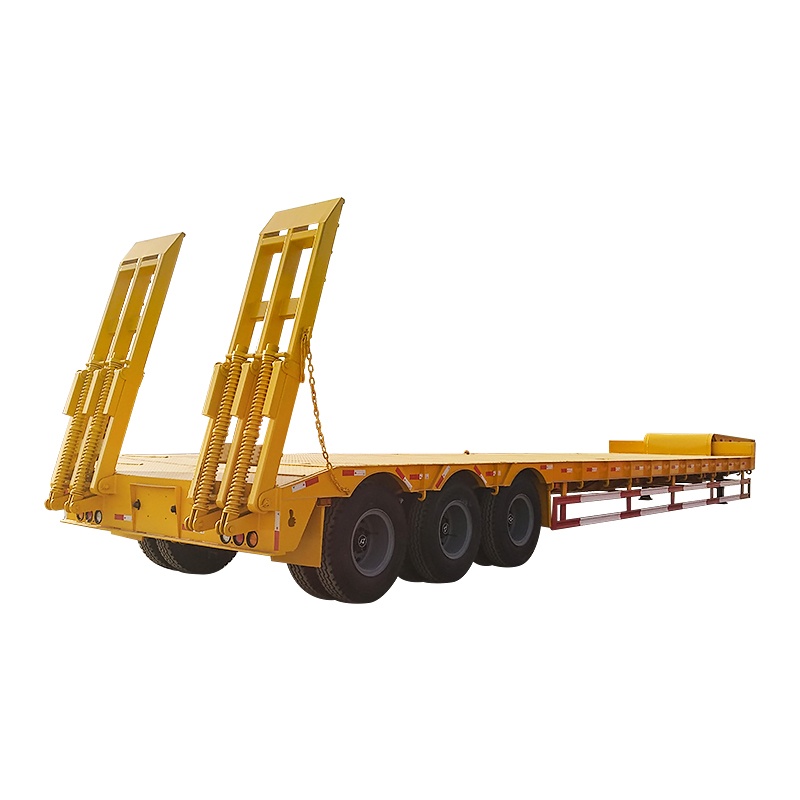 3 Axle Lowbed Semi Trailer | 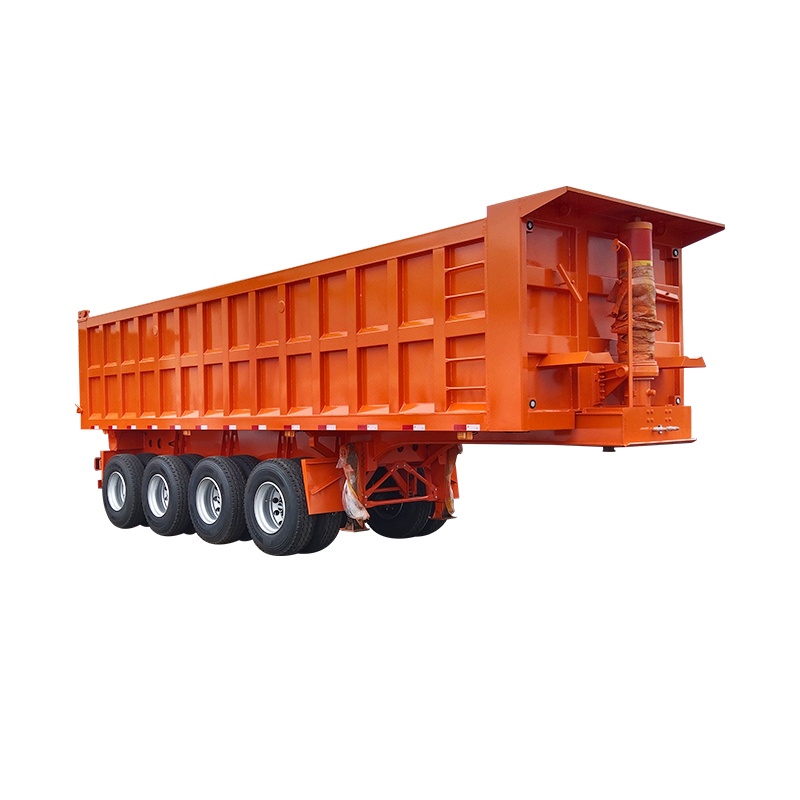 4 Axle Dump Trailer |  Howo 8x4 Dump Truck |