In heavy commercial 40 to 60-ton transport trucks operating on steep mountain escarpments across Africa and South America (Sinotruk Howo D12, Weichai WP10/WP12, Shacman X3000), the pneumatic exhaust butterfly brake valve and EVB (Exhaust Valve Brake) engine compression braking system provide vital auxiliary retardation, absorbing up to 250 to 350 horsepower of kinetic downhill energy. Operating continuously under hot exhaust soot, diagnosing exhaust butterfly valve carbon sticking, calibrating exhaust backpressure (0.40 to 0.50 MPa limit), and adjusting internal EVB slave piston rocker clearances prevents valve float, piston crown collision, and catastrophic foundation brake drum heat fade.
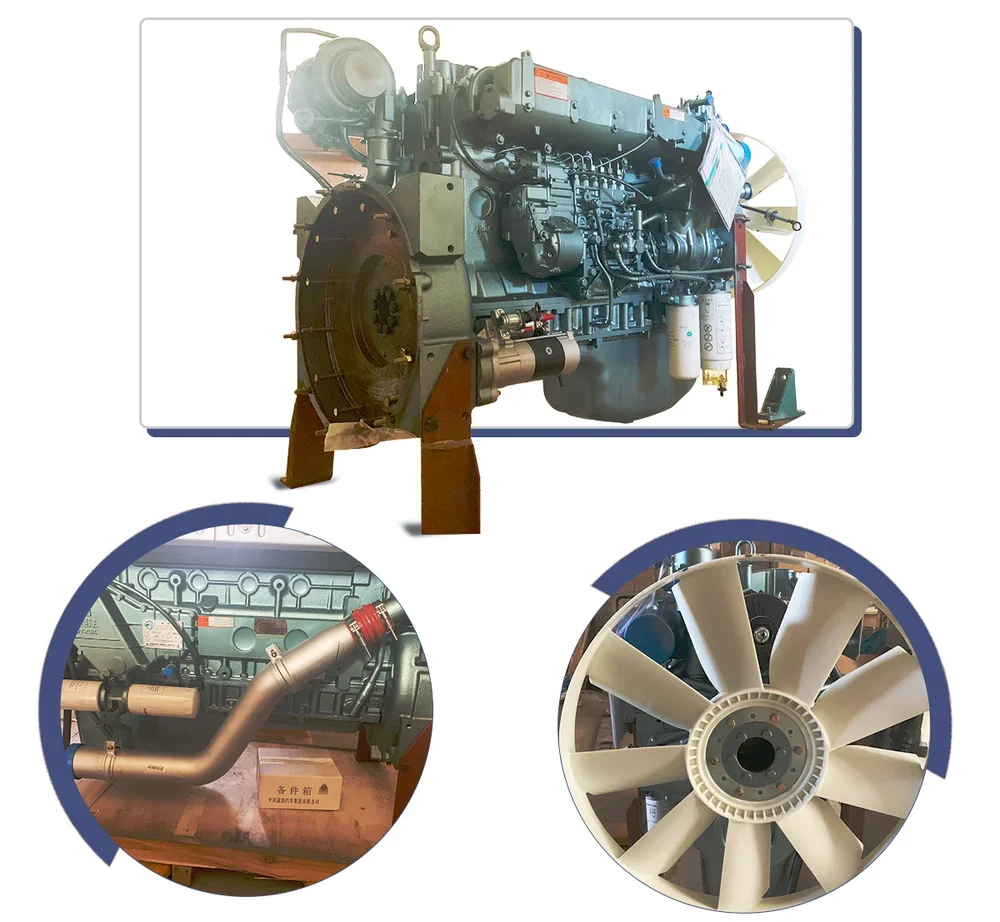
1. Technical Specification Comparison: Standard Exhaust Butterfly vs. EVB Engine Compression Brake
Auxiliary retarding horsepower, cylinder backpressures, valve actuation mechanisms, and operating characteristics:
| Engineering Parameter | Standard Exhaust Butterfly Valve Only | Weichai EVB (Exhaust Valve Brake) Compression Brake System |
|---|---|---|
| Auxiliary Braking Mechanism | Pneumatic butterfly flapper valve restricting exhaust downpipe | Exhaust butterfly valve + Hydraulic slave piston propping exhaust valves open |
| Maximum Retarding Power @ 2,100 RPM | approx. 120 – 160 Horsepower (Basic retarding effect) | High retarding: approx. 280 – 350 Horsepower (Over 60% engine power) |
| Exhaust Manifold Backpressure Limit | 0.30 – 0.38 MPa (Limited to prevent exhaust valve float) | Controlled backpressure: 0.40 – 0.50 MPa (4.0 to 5.0 bar) |
| Valve Actuation & Control Medium | Single pneumatic air cylinder operated by floor button or hand lever | Pneumatic butterfly actuator + Engine oil pressure to rocker slave pistons |
| Downhill Wheel Brake Wear Reduction | Reduces brake shoe wear by approx. 25% – 35% | Reduces foundation brake wear by over 60% – 75% on mountain descents |
| Exhaust Valve Clearance Spec (Cold) | Standard mechanical lash (approx. 0.40 mm – 0.50 mm) | EVB dual-lash spec: 0.40mm main valve lash + 0.25mm slave piston lash |
| Engine Over-Revving Risk | Low (Driver shifts down to maintain backpressure) | High warning: Driver must keep engine between 1,800 and 2,100 rpm |
| Optimal Commercial Application | Light delivery trucks, flat terrain agricultural haulage | Heavy 8x4 mining tippers, 60-ton mountain lowboys, fuel tankers |
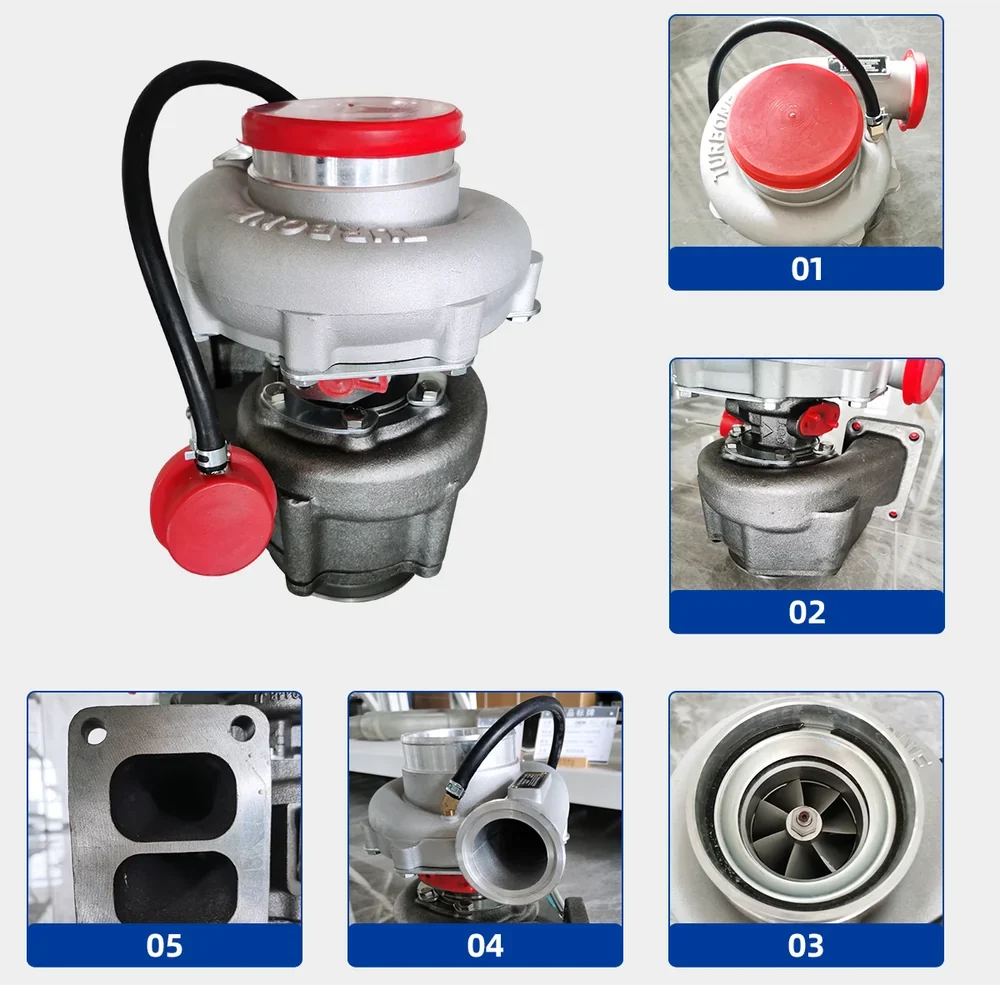
2. Kinematics of EVB Compression Braking: Converting Diesel into a Compressor
An EVB engine turns the combustion cycle into a massive energy-absorbing air pump:
- Phase 1: Exhaust Butterfly Restriction: When the driver releases the accelerator and engages the auxiliary brake switch, the pneumatic butterfly valve closes the exhaust pipe. Backpressure in the exhaust manifold builds instantly to 0.45 MPa.
- Phase 2: The Valve "Pop-Open" Action: High manifold backpressure pushes upward against the exhaust valves during the intake stroke, cracking them open by 1.0mm to 1.5mm.
- Phase 3: Hydraulic Slave Piston Lock: Engine lubricating oil under pressure enters the EVB rocker arm cavity behind a miniature hydraulic piston. The piston extends and traps oil via an internal check valve, holding the exhaust valve slightly propped open during the entire compression stroke.
- Phase 4: Decompression & Energy Dissipation: As the piston compresses air to Top Dead Center, work is extracted from the rolling truck wheels. Right at TDC, trapped compressed air escapes through the slightly propped valve into the manifold, dissipating its energy rather than pushing the piston back down on the power stroke.
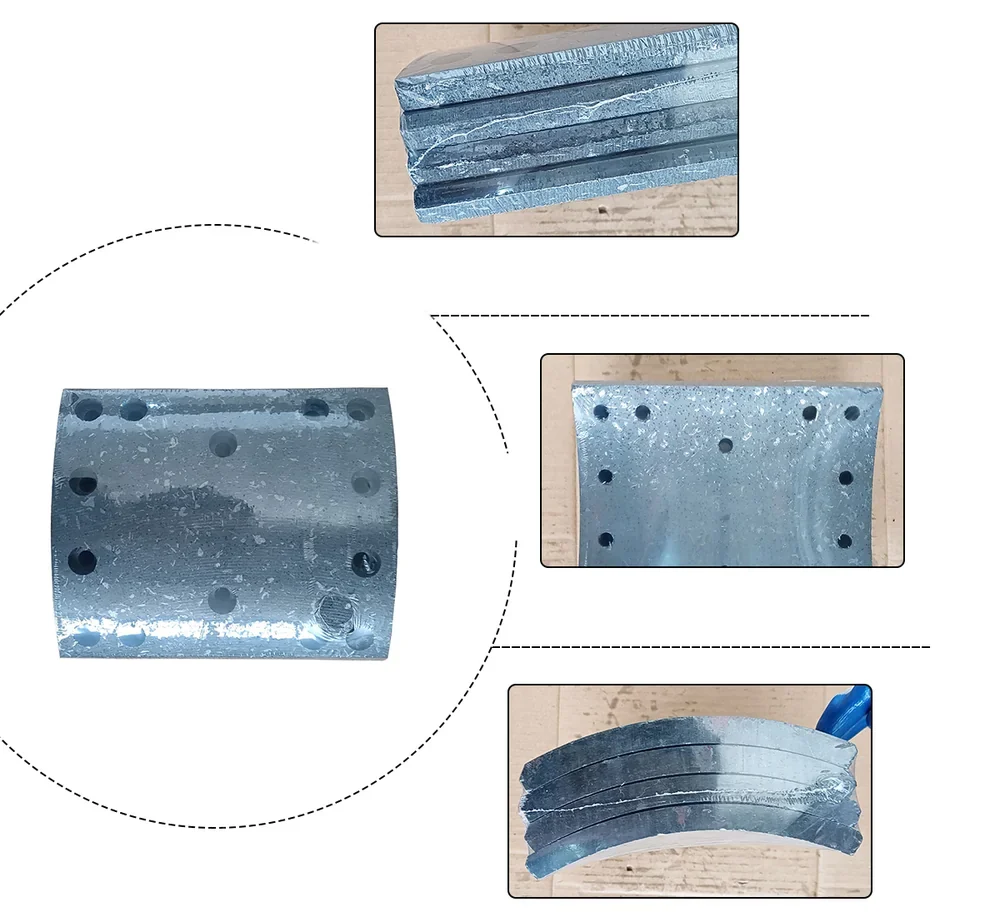
3. Troubleshooting Valve Carbon Sticking & Exhaust Valve Float
Loss of downhill retarding power or severe engine misfires indicate auxiliary brake failure:
| Observed Engine Malfunction | Most Probable Root Cause | Immediate Corrective Action |
|---|---|---|
| Truck accelerates dangerously downhill; auxiliary brake produces zero retarding | Exhaust butterfly flapper valve shaft seized open from carbon soot; pneumatic air cylinder air leak | Tap butterfly shaft with brass drift; spray penetrating carbon dissolver; replace air cylinder piston seals |
| Engine has zero power and will not rev past 1,400 RPM on flat highway | Exhaust butterfly valve stuck permanently closed; engine choked by suffocating exhaust backpressure | Manually pull butterfly lever back to open position; check 24V solenoid valve electrical power supply |
| Loud mechanical tapping / clattering in valve train when EVB engages | EVB rocker arm slave piston clearance set too wide; worn rocker arm bridge adjusting screw | Remove valve rocker cover; re-shim and calibrate EVB slave piston clearance to factory 0.25mm |
| Engine backfires and bends pushrods during high-RPM downhill descent (>2,300 RPM) | Exhaust valve float: Extreme backpressure and over-revving caused valves to contact piston crowns | Adjust butterfly pressure limiter hole; educate driver to maintain downhill engine RPM below 2,100 rpm |
4. Step-by-Step Valve Lash & EVB Slave Piston Adjustment Protocol
Calibrating EVB valve clearances on Weichai WP10/WP12 engines:
- Engine Cold Setting: Ensure the engine is completely cold (coolant temperature below 50°C). Rotate the crankshaft with a flywheel barring tool to bring Cylinder #1 to Top Dead Center (TDC) on its compression stroke.
- Adjust Main Exhaust Valve Lash: Loosen the locknut on the main rocker arm adjusting screw. Insert a 0.40 mm feeler gauge between the rocker roller and the valve bridge. Tighten adjusting screw until slight sliding drag is felt, then torque locknut to 55 N·m.
- Adjust EVB Slave Piston Clearance: Press down firmly on the EVB slave piston inside the rocker arm to bleed out all residual engine oil. Insert a precision 0.25 mm feeler gauge between the slave piston tip and the valve bridge surface.
- Lock and Verify Dual Clearances: Tighten the secondary adjusting screw until the 0.25mm gauge blade slides with firm friction. Torque locknut to 45 N·m. Re-check both the 0.40mm main lash and 0.25mm EVB lash simultaneously.
- Test Butterfly Cylinder Stroke: Apply 0.7 MPa shop air to the exhaust butterfly pneumatic cylinder. Verify that the butterfly shaft rotates smoothly through its full 85-degree arc without binding against the cast-iron exhaust housing wall.
Frequently Asked Questions
Q: What engine RPM provides maximum retarding power when descending mountain passes?
A: Engine compression and exhaust brakes generate maximum retarding power at high engine speeds between 1,900 and 2,100 rpm. In a descent, drivers should select a low gear that holds engine RPM around 2,000 rpm, keeping foundation drum brakes completely cold for emergency stops.
Q: Why does an exhaust butterfly valve incorporate a calibrated center hole?
A: The butterfly steel disc features a precision 15mm to 20mm relief hole drilled in its center. This hole limits maximum manifold backpressure to 0.45 MPa, preventing excessive pressure from holding exhaust valves open permanently, which would cause valves to hit rising pistons.
Q: Where can fleet operators source genuine Weichai EVB rocker arms, exhaust butterfly valves, and pneumatic actuators?
A: Browse our complete valve train and exhaust inventory in the Heavy-Duty Spare Parts Category, inspect original Diesel Engine Assemblies, or consult our International FAQ Center.
Request Engine Auxiliary Brake Parts & Valve Spares Quotation
Recommended Semi-Trailers
 Howo 8x4 Dump Truck |  3 Axle Flatbed Trailer |  3 Axle Lowboy Trailer |