When operating 6x4 and 8x4 heavy commercial dump trucks and tractor heads across deep mud, loose sand, and slippery quarry inclines, the inter-axle differential lock and inter-wheel differential locks act as the primary traction lifeline. Misunderstanding the engagement sequence—such as engaging differential locks while wheels are spinning or turning the steering wheel on dry pavement with cross-locks engaged—causes instantaneous dog-clutch tooth stripping and catastrophic differential carrier housing destruction.
1. Technical Comparison: Inter-Axle Lock vs. Inter-Wheel Differential Lock
Torque distribution axes, engagement conditions, and steering restrictions across both differential lock systems:
| Engineering Parameter | Inter-Axle Differential Lock (Third Differential) | Inter-Wheel Differential Lock (Cross-Locks) |
|---|---|---|
| Mechanical Location | Mounted inside the forward-rear tandem drive axle input nose | Mounted directly inside each individual drive axle differential housing |
| Torque Locking Axis | Locks the front tandem drive axle to the rear tandem drive axle (Longitudinal 50/50 split) | Locks the left wheel to the right wheel on the same axle (Transverse 50/50 split) |
| Dashboard Switch Icon | Symbol showing a lock between front and rear axle shafts ("X" between axles) | Symbol showing locks across the wheels on the same axle ("X" on wheel ends) |
| Steering Wheel Maneuverability | Full steering permitted; vehicle turns normally on unpaved roads | Straight-line driving strictly mandatory; turning steering wheel damages dog clutches |
| Standard Engagement Sequence | Engage 1st when approaching slippery, muddy, or sandy road sections | Engage 2nd only after inter-axle lock fails to extract the stuck vehicle |
| Speed Limitation When Engaged | Safe below 30 – 40 km/h on slippery surfaces | Safe below 10 – 15 km/h; disengage immediately once moving freely |
| Failure Mode If Abused | Tandem inter-axle planetary pin shear and helical gear tooth wear | Stripped dog-clutch teeth, twisted half-shaft splines, cracked differential case |

2. The Exact Step-by-Step Mud Extraction Protocol
Stripping differential teeth occurs almost exclusively from driver operator error under panic:
- Never Engage When Wheels Are Spinning: If one wheel is already spinning at high speed in the mud, slamming the differential lock switch will instantly shear the engagement dog-clutch teeth as stationary teeth collide with spinning splines. Always bring the truck to a complete standstill first!
- Step 1: Engage the Inter-Axle Differential Lock: Depress the clutch pedal, flip the inter-axle lock switch on the dashboard, wait for the pneumatic actuator air hiss, and verify the red dashboard indicator illuminates. Select low crawler gear and gently feather the clutch. Both tandem axles now pull together.
- Step 2: Engage Inter-Wheel Locks (If Still Trapped): If wheels continue to spin on one side, come to a complete stop. Depress the clutch, engage the inter-wheel cross-lock switch, and keep the steering wheel pointed dead-straight. All four drive wheel sets now rotate at identical speed, delivering 100% mechanical traction.
- Immediate Disengagement After Extraction: The moment the truck reaches solid ground, stop or lift off the throttle, flip both switches off, and verify that the dashboard indicator lights extinguish. If a lock sticks, drive forward 5 meters and reverse slightly to release driveline torque bind.
3. Why Turning with Inter-Wheel Locks Engaged Destroys Drivelines
The geometric laws of vehicle cornering mandate wheel speed differences:
- The Cornering Radius Differential: When turning a corner, the outside tire travels a significantly longer circular path than the inside tire. Standard open differentials allow the outside tire to spin faster.
- Driveline Wind-Up & Axle Snapping: With the inter-wheel lock engaged, both tires are mechanically forced to spin at identical revolutions. On dry pavement or hard-packed gravel, tires cannot slip. The resulting torsional wind-up twists the solid 42CrMo half-shafts until they snap clean like glass or crack the cast steel differential carrier housing.
4. Cold Weather Pneumatic Actuator Freezing Prevention
Differential lock actuators rely on compressed air to slide engagement shift forks:
- Condensed water in the truck air lines collects inside the axle differential shift cylinder. In sub-zero desert nights, frozen water prevents the lock from engaging or prevents it from disengaging after reaching solid ground.
- Drain air reservoir tanks daily and service the truck's desiccant air dryer cartridge annually to guarantee dry pneumatic actuator performance.
Frequently Asked Questions
Q: Can differential locks be engaged while the truck is rolling at low speed?
A: Only if all four wheel sets are rolling at identical road speeds without any wheel slip. If there is even a slight rotational difference, engaging locks on the move will grind and chip internal dog clutch teeth.
Q: What causes the differential lock indicator light to flash continuously?
A: A flashing light indicates that the pneumatic piston has moved but the mechanical engagement fork has not yet seated fully into the sliding sleeve splines, or the position-sensing electrical contact switch is fouled with metal shavings.
Q: Where can fleet operators source genuine differential gears, cross-shafts, and lock clutches?
A: Browse our complete drivetrain catalog in the Heavy-Duty Spare Parts Category, inspect original Commercial Heavy Trucks, or consult our International FAQ Center.
Request Heavy Drive Axle & Differential Parts Catalog
Recommended Semi-Trailers
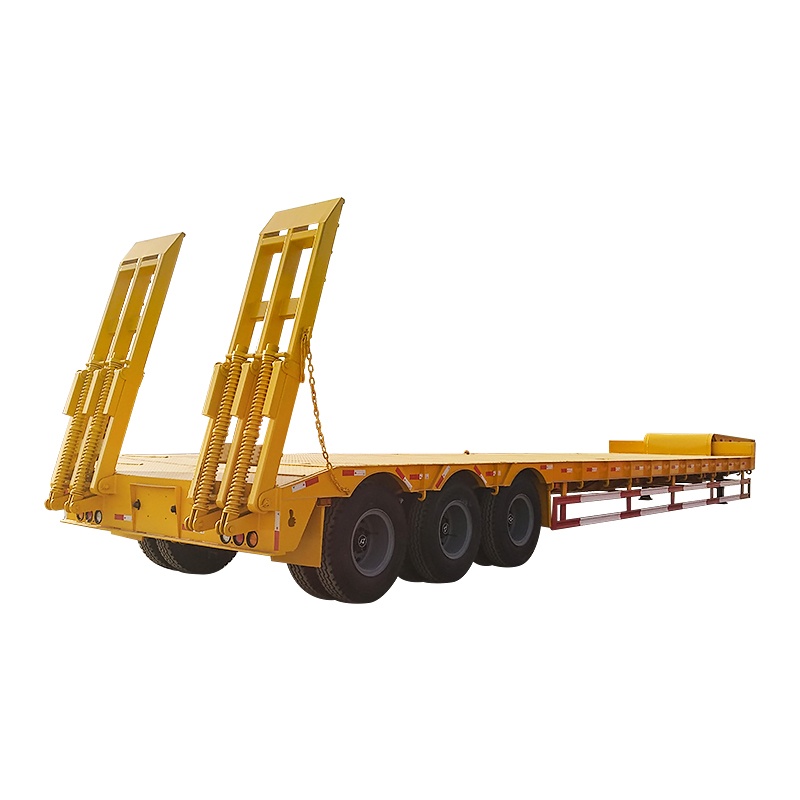 3 Axle Lowbed Semi Trailer | 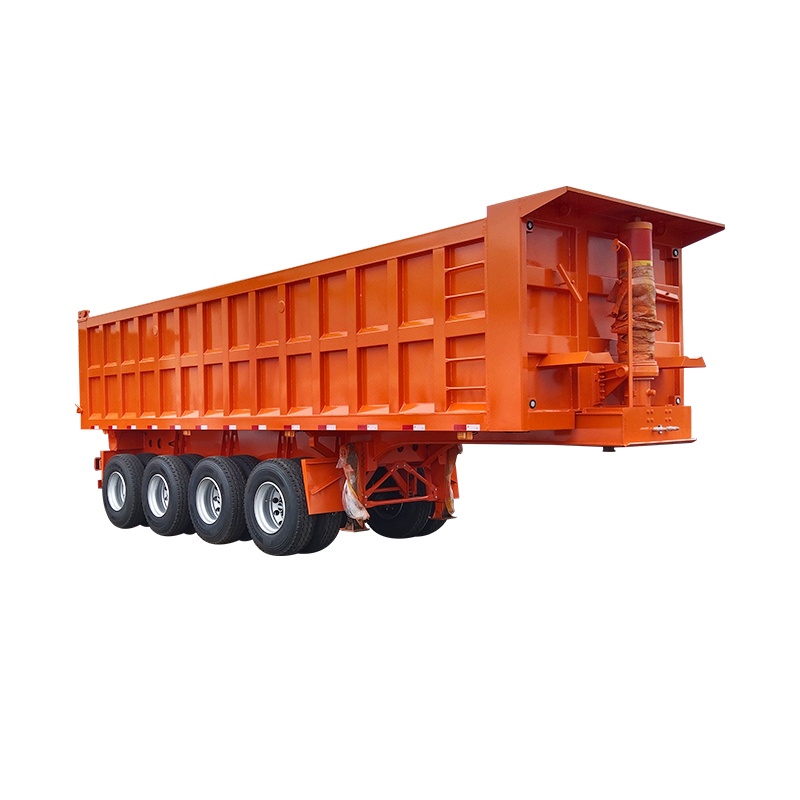 4 Axle Dump Trailer |  3 Axle Flatbed Trailer |