In commercial liquid petroleum transport semi-trailers (40,000L to 45,000L capacity hauling gasoline, diesel, and Jet A-1 fuel), the pneumatic emergency bottom foot valve (internal safety shut-off valve, ADR & EN 13083 standards) serves as the primary internal containment barrier bolted to the bottom sump of each tank compartment. Operating under severe highway collision risks and terminal rack operations, integrating external sacrificial impact shear grooves, 75°C thermal fusible plugs, and dual remote pneumatic trip switches prevents massive fuel spills and terminal infernos in rollover accidents.

1. Technical Specification Comparison: Standard Mechanical vs. ADR Pneumatic Emergency Foot Valves
Emergency closing speeds, collision impact protection, fire survival ratings, and regulatory standards:
| Engineering Parameter | Standard Mechanical Screw-Down Foot Valve | Chengda ADR-Certified Pneumatic Emergency Bottom Valve |
|---|---|---|
| Valve Actuation Mechanism | Manual handwheel or overhead cable linkage | Pneumatic single-acting piston with spring-fail-safe closing |
| Emergency Shut-Off Time | Manual closing takes approx. 30 to 60 seconds | Instantaneous: Full closure in under 1.5 seconds |
| Collision Impact Protection | Rigid flange; impacts tear open the tank shell bottom | Machined sacrificial shear groove breaks cleanly outside tank shell |
| Fire Fusible Link Integration | None (External fire burns valve open) | Thermal fusible link melts at 75°C ± 5°C, auto-venting air to close |
| Remote Emergency Trip Controls | None (Operator must approach leaking valve) | Dual remote trip levers (Cab console + Trailer rear-left bumper) |
| Working Pressure & Flow Rating | approx. 0.4 MPa / Flow: 1,500 L/min | 0.6 MPa / High-flow: up to 2,500 L/min (Fast gravity offloading) |
| Body Metallurgy & Seals | Cast iron or basic aluminum with NBR seals | Forged 5454 aluminum body + Viton-A fluoropolymer seals |
| Regulatory Compliance Standard | Banned for hazardous petroleum transport | Mandatory compliance: ADR, API RP 1004, and EN 13083 |

2. The Sacrificial Shear Groove: Surviving High-Speed Underride Collisions
When an unequipped tanker trailer is rear-ended or strikes a high concrete curb, bottom valves act like battering rams:
- The Catastrophic Tank Shell Tear: A rigid bottom discharge valve bolted to the tank bottom transfers impact energy directly into the thin 5mm aluminum shell. The impact tears a 300mm hole in the tank hull, dumping 40,000 liters of gasoline in under two minutes.
- The Engineered Shear Groove Function: Chengda emergency foot valves incorporate a precision-machined V-shaped circumferential shear groove located exactly 15mm outside the tank mounting flange.
- The Clean Shear Breakaway: In a collision exceeding 5 kN lateral force, the lower valve body and outlet piping snap cleanly off at the shear plane. Crucially, the internal valve seat and spring-loaded sealing poppet remain hermetically sealed inside the tank shell, preventing a single drop of fuel from leaking onto the highway.
3. The 75°C Thermal Fusible Link: Automated Fire Extinguishment
If a tire fire or brake drum inferno erupts during highway travel or terminal offloading:
- The Thermal Melting Trigger: Each pneumatic control airline running to the foot valve cylinder incorporates a brass fusible plug filled with low-melting-point eutectic alloy.
- Instant Pneumatic Air Venting: When surrounding air temperatures reach 75°C ± 5°C, the alloy plug melts instantly. Trapped compressed air exhausts violently to atmosphere through the open plug in less than one second.
- Mechanical Fail-Safe Spring Closure: Deprived of pneumatic holding air pressure, the internal heavy stainless steel return spring slams the valve poppet shut with over 1,200 N of closing force, isolating tens of thousands of liters of fuel from feeding the external fire.
4. Step-by-Step Remote Emergency Stop System Testing Protocol
Verifying the integrity of emergency cut-off circuits during routine fleet safety inspections:
- Charge Trailer Air Circuit to 0.65 MPa: Connect the red gladhand emergency supply hose and charge the trailer air reservoir until the pneumatic interlock control box shows positive supply pressure.
- Open All Compartment Foot Valves: Pull the master pneumatic toggle switch inside the aluminum control cabinet. Verify that all 3, 4, or 5 bottom valves open with distinct audible pneumatic clicks.
- Test Rear Bumper Emergency Trip Lever: Walk to the rear bumper of the trailer. Hit the red mushroom-head emergency punch valve or flip the cable-actuated trip lever. Every bottom foot valve must snap shut instantly within 1.5 seconds!
- Inspect Poppet Sealing with Nitrogen Pressure: During annual ADR hydro-testing, apply 0.03 MPa air pressure into the dry discharge manifold pipe. Soap-bubble test the closed valve outlets to verify zero bubbling past the fluoropolymer Viton seals.
Frequently Asked Questions
Q: What causes pneumatic bottom foot valves to stick and refuse to open?
A: Sticking occurs when moisture inside un-drained trailer air tanks freezes the internal actuator piston in cold desert mornings, or when petroleum gum and asphalt residues coat the internal stainless steel spring guide.
Q: Can the pneumatic emergency shut-off system be linked to the trailer parking brakes?
A: Yes! Modern ADR regulations mandate a pneumatic interlock bar. When the bottom discharge cabinet door is open, the interlock valve automatically vents the trailer parking brake line, locking the trailer brakes solid to prevent accidental driver drive-away while discharge hoses are still connected.
Q: Where can petroleum logistics fleets procure certified ADR emergency foot valves and API components?
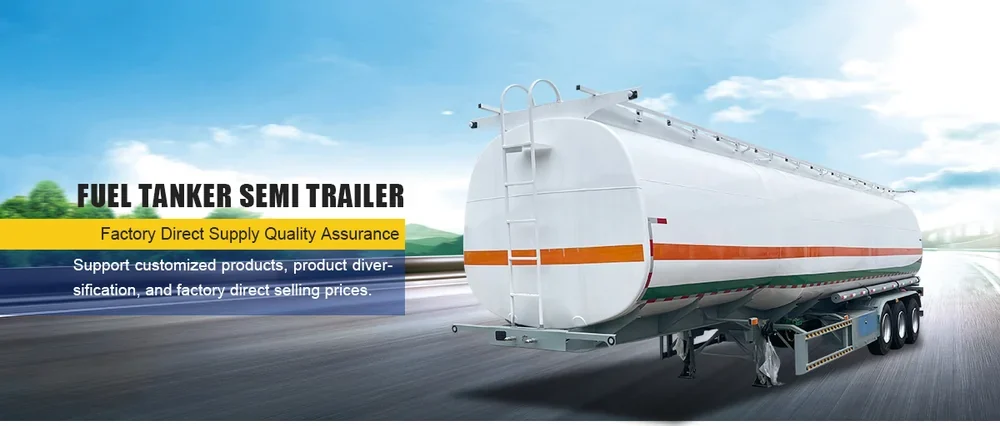
A: Explore our full liquid transport inventory in the Semi-Trailers Category, view original Fuel Tanker Semi-Trailers, or consult our International FAQ Center.
Request ADR Fuel Tanker Valves & Safety Hardware Quotation
Recommended Semi-Trailers
 3 Axle Oil Tank Trailer |  2 Axle Fuel Tanker Trailer |  3 Axle Flatbed Trailer |