In developing heavy commercial vehicle markets across Africa, the Middle East, and Latin America, water and sediment contamination in bulk diesel fuel causes over 80% of premature high-pressure common rail injector and pump failures. Installing a multi-stage diesel fuel-water separator pre-filter (Fleetguard FS19732 / Mann-Filter / Sinotruk VG1540080311) capable of stripping emulsified water and microscopic abrasive silt down to 10 microns protects Bosch and Weichai 1,800-bar fuel injection systems from catastrophic metal seizure.
1. Technical Specification Comparison: Primary Separator vs. Secondary Fine Filter
Filtration efficiency ratings, water coalescence media, and replacement criteria across fuel conditioning stages:
| Engineering Metric | Stage 1: Heavy Fuel-Water Separator Pre-Filter | Stage 2 & 3: Secondary Micro-Fine Fuel Filters |
|---|---|---|
| System Position | Suction side between fuel tank and low-pressure lift pump | Pressure side between fuel lift pump and high-pressure common rail pump |
| Filtration Rating (Pore Size) | 10 Micron to 30 Micron coalescing depth media | 2 Micron to 5 Micron ultra-fine microglass media |
| Free & Emulsified Water Removal | ≥ 95% – 98% water separation efficiency (Gravity coalescence) | Absorbs residual moisture traces (< 5%) |
| Water Collection Reservoir | Transparent impact-resistant polycarbonate bowl with petcock valve | Enclosed steel spin-on canister (No sediment bowl) |
| Electronic Water-in-Fuel (WIF) Sensor | Conductivity probe sensor triggering dashboard alert icon | N/A (Relies on Stage 1 upstream water trapping) |
| Cold Climate Fuel Heating | Optional 12V / 24V 250W PTC internal electric fuel heater | Heated via warm excess spill fuel return line |
| Manual Hand Priming Pump | Integrated cast aluminum primer pump button on filter head | Bleeder screw on secondary filter housing |
| Recommended Replacement Interval | Every 10,000 – 15,000 km (Drain water bowl daily) | Every 20,000 – 25,000 km |
2. How Fuel-Water Separation Protects 1,800-Bar Common Rail Injectors
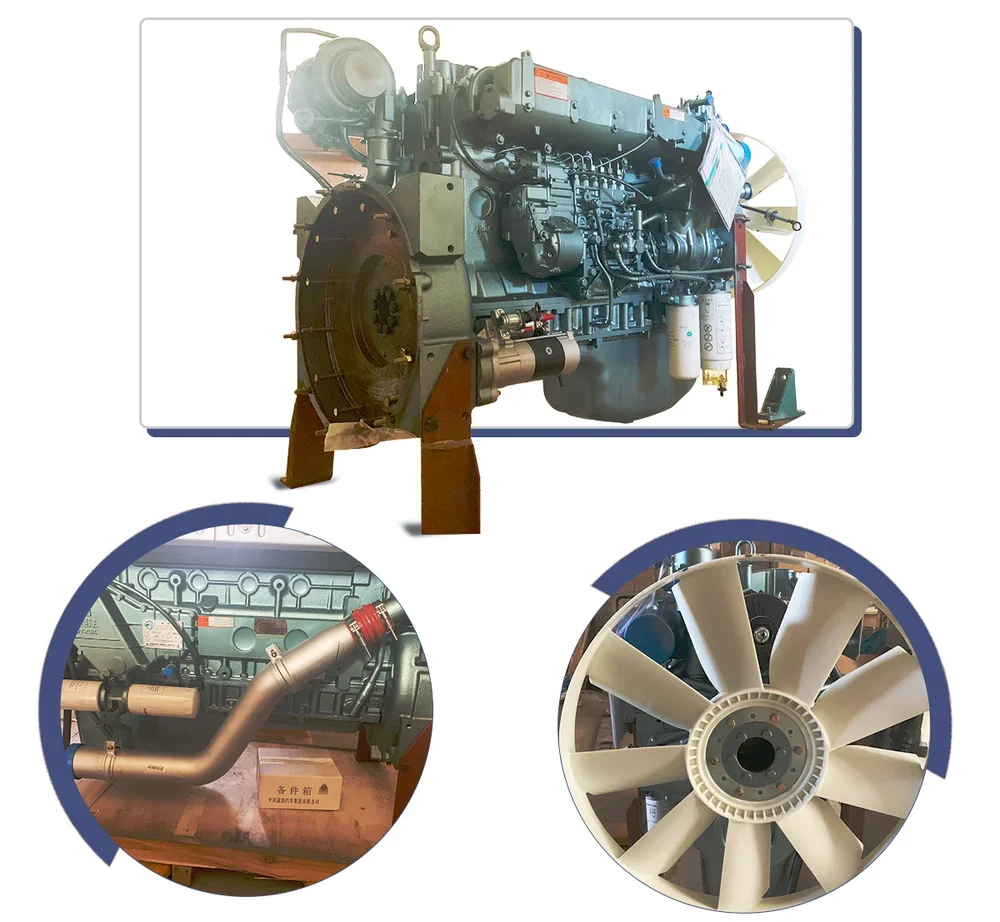
Modern electronic diesel engines (Sinotruk D12, Weichai WP12, Cummins ISG) inject fuel at extreme pressures:
- Preventing Cavitation Erosion on Injector Needles: Water droplets entering the 1,800-bar fuel rail vaporize instantly into explosive steam pockets under high injection temperatures, pitting and eroding the precision micro-orifices (0.12mm diameter) of injector nozzles.
- Stopping Lubrication Breakdown: Diesel fuel acts as the sole lubricant for the internal plungers of high-pressure common rail pumps. Water strips the lubricating fuel boundary layer, causing metal-to-metal galling and generating steel filings that circulate through the entire fuel rail.
- Coalescing Media Technology: Cellulose-synthetic multi-layer media repels water droplets on its hydrophobic surface. Small droplets coalesce into heavy water beads, falling downward by gravity into the bottom collection bowl while clean diesel passes onward.
3. Step-by-Step Priming & Air Bleeding Protocol
Air bubbles trapped in fuel lines prevent common rail pumps from generating starting pressure (minimum 25 MPa required to fire):
- Spin-On Filter Cartridge Replacement: Lubricate the new square-ring rubber gasket with clean engine oil. Hand-tighten the spin-on canister until the gasket contacts the filter head, then turn an additional 3/4 turn. Never use strap wrenches to over-tighten!
- Loosen the Air Vent Screw: Crack the brass bleeder screw located on top of the cast aluminum filter mounting head by 2 full turns.
- Pump the Manual Priming Plunger: Press the large rubber or aluminum hand priming button repeatedly (approx. 50 to 80 strokes) until solid, bubble-free diesel fuel squirts out around the vent screw threads.
- Lock & Final Pressure Stroke: Tighten the bleeder screw securely while still depressing the hand pump. Continue pumping 10 additional strokes until the priming button offers stiff hydraulic resistance. Start the engine and verify zero fuel weepage.
4. Water-in-Fuel (WIF) Sensor Diagnostics & Heated Bowls
- WIF Sensor Electrical Logic: Two brass pins extend into the bottom of the clear bowl. Because water conducts electricity while pure diesel acts as an insulator, accumulated water bridges the pins, closing an electrical circuit that illuminates the amber dashboard fuel-water icon.
- Winter Wax Anti-Clogging Heaters: In high-altitude or sub-zero operating environments, paraffin wax crystals precipitate out of diesel fuel, blinding filter pores. Chengda equips export separators with automated thermostatic heating elements that preheat incoming fuel above 15°C.
Frequently Asked Questions
Q: How often should the clear bottom bowl be drained?
A: The petcock drain valve must be cracked open every morning during the driver's pre-trip walkaround inspection, draining accumulated water until pure golden diesel flows.
Q: What causes the manual hand primer pump to suck in air instead of fuel?
A: A hardened or cracked O-ring beneath the hand primer plunger allows air ingress, causing the engine to lose prime and stall after parking overnight.
Q: Where can fleet operators procure genuine fuel-water separator filters and WIF sensors?
A: Explore our complete filtration catalog in the Heavy-Duty Spare Parts Category, inspect original Diesel Engine Assemblies, or consult our International FAQ Center.
Inquire for Fuel Filtration Kits & Fleet Pricing
Recommended Semi-Trailers
 Howo 8x4 Dump Truck |  BYD Sealion 06 EV |  Geely EX5 |