On all-wheel-drive commercial trucks and extreme-terrain exploration vehicles (Sinotruk Howo 6x6, Shacman 6x6/8x8, Beiben V3 AWD), the Central Tire Inflation System (CTIS) allows the driver to adjust tire pressure across all drive wheel positions directly from in-cab dashboard controls while traveling. Lowering tire pressures from 8.5 bar (highway spec) down to 2.5 bar in deep sand or saturated swamp mud increases the tire contact footprint by up to 250%, preventing vehicle sinkage and doubling tractive pull without requiring winching recovery.
1. Technical Specification Comparison: Standard Fixed Tire Pressure vs. CTIS-Equipped Trucks
Tire contact patch areas, ground shear pressures, and terrain mobility across heavy commercial chassis:
| Mobility Parameter | Standard Fixed-Pressure Wheel Setup (Non-CTIS) | Dynamic In-Cab Central Tire Inflation System (CTIS) |
|---|---|---|
| Operating Pressure Adjustment | Manual adjustment at roadside with tire pressure gauge | Automated in-cab digital selector with continuous digital monitoring |
| Highway Cruising Pressure | Fixed cold pressure: 8.0 – 9.0 bar (approx. 116 – 130 psi) | High-speed highway mode: 8.0 – 8.5 bar (Low rolling resistance) |
| Cross-Country / Dirt Mode | Unchanged 8.5 bar (Stiff, high-vibration ride on washboard) | Rough track mode: 5.0 – 6.0 bar (Absorbs road shocks, preserves chassis) |
| Deep Sand / Mud Extraction Mode | Immobilized unless manually deflated with valve stem tool | Emergency traction mode: 2.5 – 3.2 bar (Tire flattens into tank-like track) |
| Tire Ground Contact Footprint Area | Standard nominal footprint (approx. 650 cm² per 14.00R20 tire) | Expanded contact footprint (up to 1,600 cm² at 2.5 bar pressure) |
| Ground Bearing Pressure | High ground pressure (Tires dig in and trench into soft soil) | Low ground bearing pressure (Truck floats over dunes and mud) |
| Pneumatic Rotary Union Seals | N/A | External hub-mounted or internal spindle-drilled rotating air unions |
| Puncture Compensation Ability | Tire goes flat; driver must pull over and change wheel | Compressor pumps air continuously, maintaining pressure during slow leaks |
2. The Soil Mechanics of Footprint Dilation: Why Deflation Prevents Sinkage
In soft Sahara sand dunes or wet African laterite swamps, ground shear strength is extremely low:
- The Contact Patch Elongation Effect: Deflating a heavy radial tire does not make the tire significantly wider; it elongates the contact oval lengthwise. A deflated 14.00R20 tire creates an elongated "track-like" footprint that distributes 8 tons of axle weight over more than double the soil surface area.
- Eliminating the Soil Bow Wave: A hard tire bulldozes into soft sand, pushing a wedge-shaped pile of dirt ahead of itself that acts like a perpetual uphill climb. A low-pressure tire rolls over the surface particles, reducing rolling resistance by up to 60%.
3. Rotary Air Union Architecture: Feeding Air into a Spinning Wheel
The technical engineering core of a CTIS system resides at the wheel hub end:
- Internal Spindle Shaft Passage: Modern drive axles incorporate drilled central passageways through the hollow axle spindle and hub cap. A high-pressure rotary air union connects the stationary axle housing to the rotating wheel hub.
- Dual-Lip Carbon-PTFE Rotary Seals: Precision mechanical carbon seals operate in an oil-lubricated cavity, maintaining 0.9 MPa airtight sealing at rotational wheel speeds exceeding 500 rpm while tolerating fine abrasive desert silica dust.
- Wheel Isolation Check Valves: Mounted on the wheel rim, these pneumatic pilot valves close automatically when the system is dormant, ensuring that a severed chassis air line cannot accidentally depressurize the truck tires.
4. Troubleshooting Common CTIS Malfunctions in Field Operations
| Observed System Fault | Most Probable Root Cause | Immediate Corrective Action |
|---|---|---|
| Air hisses continuously from wheel hub center cap | Worn rotary shaft seal; dry unlubricated seal face caused by lack of gear oil; dirt ingress | Disassemble hub end cap; replace carbon-PTFE rotary seal cartridge and dynamic O-rings |
| System takes over 15 minutes to inflate tires back to highway pressure | Engine air compressor unloader valve sticking; clogged desiccant cartridge; leak in supply manifold | Test compressor air delivery; replace air dryer desiccant; soap-test pneumatic chassis junctions |
| Dashboard displays "Tire Pressure Mismatch" alert | Wheel valve stuck open; sensor calibration drift; single-tire slow puncture exceeding compressor trim flow | Verify individual tire pressures with manual gauge; test wheel rim isolation check valves |
Frequently Asked Questions
Q: What is the maximum safe highway speed when tires are deflated to sand mode (2.5 bar)?
A: Driving with low tire pressure is restricted to speeds below 25 to 30 km/h. Operating at highway speeds (80 km/h) with deflated tires causes extreme internal carcass flexing, boiling the rubber and causing explosive tread delamination within 15 km.
Q: Can a CTIS system keep a truck moving if a tire is punctured by a bullet or sharp rock?
A: Yes. Provided the puncture hole does not exceed the continuous volume displacement of the truck's heavy dual-cylinder air compressor, the system continuously feeds air into the damaged wheel, allowing the convoy to drive out of danger zones.
Q: Where can fleet operators source all-wheel-drive commercial trucks equipped with CTIS?
A: Explore our complete commercial lineup in the Commercial Trucks Category, view specialized Commercial Utility Trucks, or consult our International FAQ Center.
Request All-Wheel-Drive Trucks with CTIS System Pricing
Recommended Semi-Trailers
 3 Axle Flatbed Trailer | 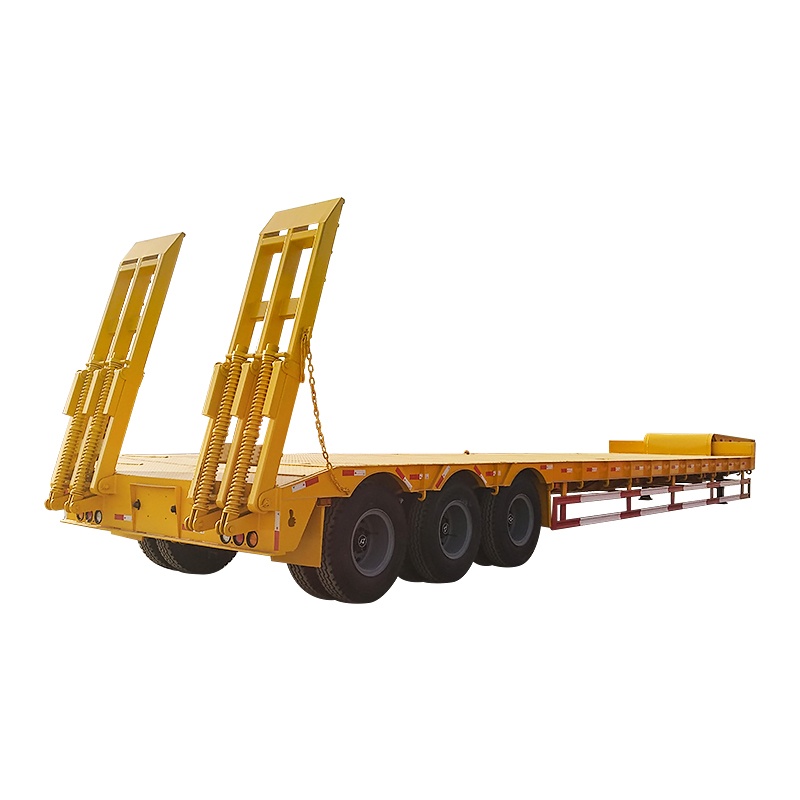 3 Axle Lowbed Semi Trailer | 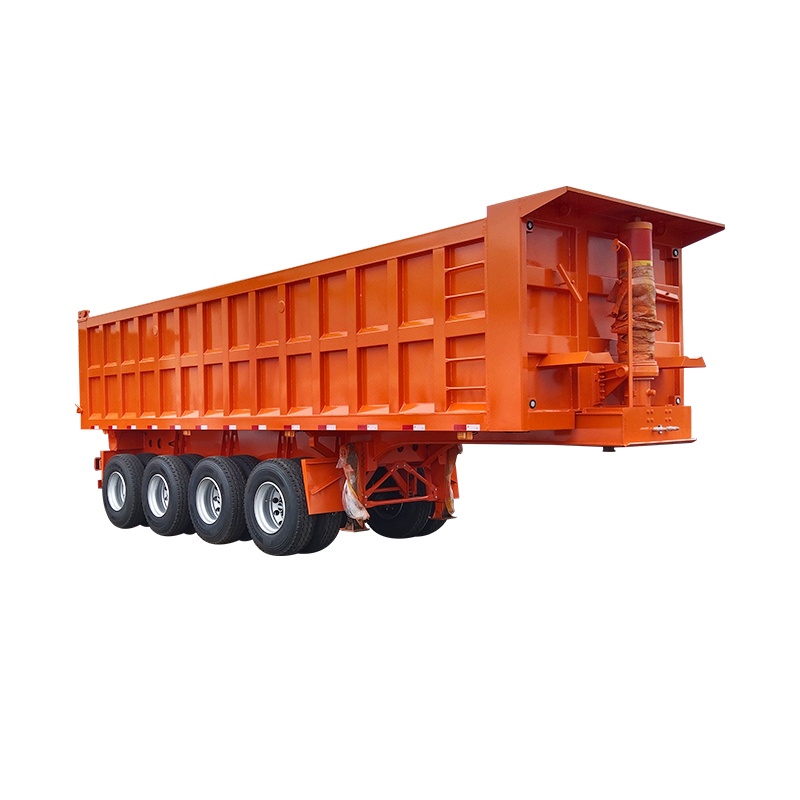 4 Axle Dump Trailer |