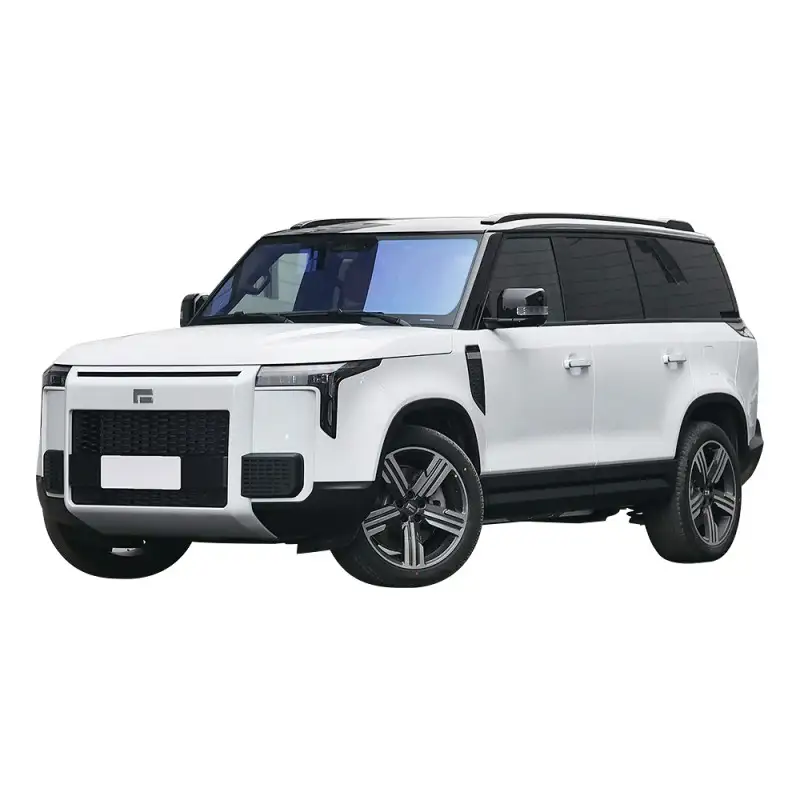
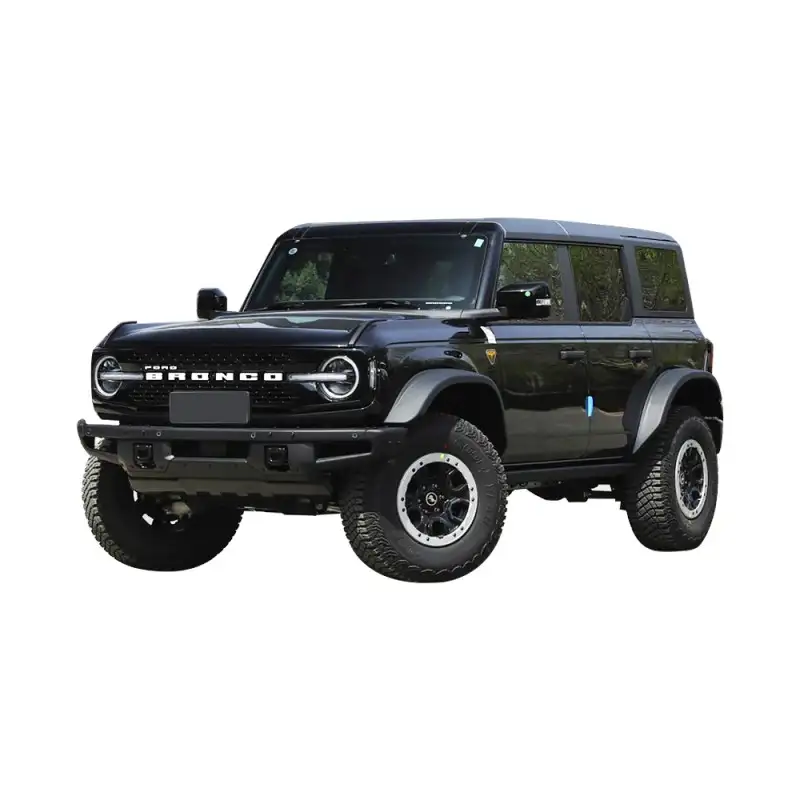
SUVs dominate new-energy demand in emerging markets because buyers want one vehicle that handles both city commuting and unpaved access roads. The purchasing decision usually turns on real-world range under air conditioning load, ground clearance and whether the battery pack sits high enough to survive bad roads.
1. Application & Fleet Fit
This range is normally deployed in the following duty cycles. Range, charging strategy and battery thermal design are matched to the cycle rather than to a laboratory test figure:
- Family and executive transport
- Corporate and government fleets
- Intercity travel on mixed pavement
- Ride-hailing in urban areas
2. Powertrain & Configuration
Core powertrain: LFP or NMC battery pack with fast-charge capability and thermal management for hot climates.
Body and equipment options: Compact to mid-size SUV bodies, five or seven seats, with optional all-wheel drive.
3. Import Duty & Homologation
New-energy vehicles attract different import duty and registration treatment from combustion vehicles in most African and Latin American markets, and several countries now offer reduced duty for battery-electric imports. We supply the certificate of origin, technical data sheet and homologation documents so your clearing agent can apply the correct tariff code on arrival.
4. Shipping & Battery Logistics
Standard export method: 40HQ container, one to three units per container. Lithium batteries are declared as Class 9 dangerous goods, so each shipment includes the UN38.3 test summary and MSDS pack. We handle the carrier declaration so the container is not rejected at the terminal.
5. Delivery & After-Sales
Vehicles arrive pre-delivery inspected with charging equipment and manuals in English or French. Our technical team supports commissioning by video call, and we maintain a consumable parts stock for filters, brake pads and charging components so routine service does not depend on importing every item.
6. Sourcing FAQ
Q1: Is charging infrastructure available at the destination?
A: We assess this before quoting. Where grid charging is unreliable, we can specify a home or depot charger matched to the local supply voltage, and recommend models whose battery chemistry tolerates frequent partial charging and high ambient temperatures.
Q2: What battery warranty is offered?
A: Battery packs carry an 8-year or 160,000 km warranty to 70 percent state of health, whichever comes first. The warranty is registered to the vehicle identification number and is transferable to a second owner, which protects resale value.
Q3: How are vehicles and batteries shipped?
A: Vehicles ship in 40HQ containers with the battery installed and state of charge limited to the level required by the carrier. Charging cables, documents and spare keys are crated separately. We provide the UN38.3 and MSDS documentation required for ocean transport.