In heavy commercial semi-trailer transport across severe African and Latin American road networks, carrying 40 to 60-ton concentrated payloads subjects the chassis main I-beams and stepped gooseneck transition to continuous cyclic bending moments and dynamic torsional stress. Diagnosing downward mid-span beam sagging (loss of factory positive camber), repairing fatigue micro-cracks behind the kingpin rubbing plate, and executing proper structural fishplate reinforcement prevents catastrophic frame snapping on the highway.
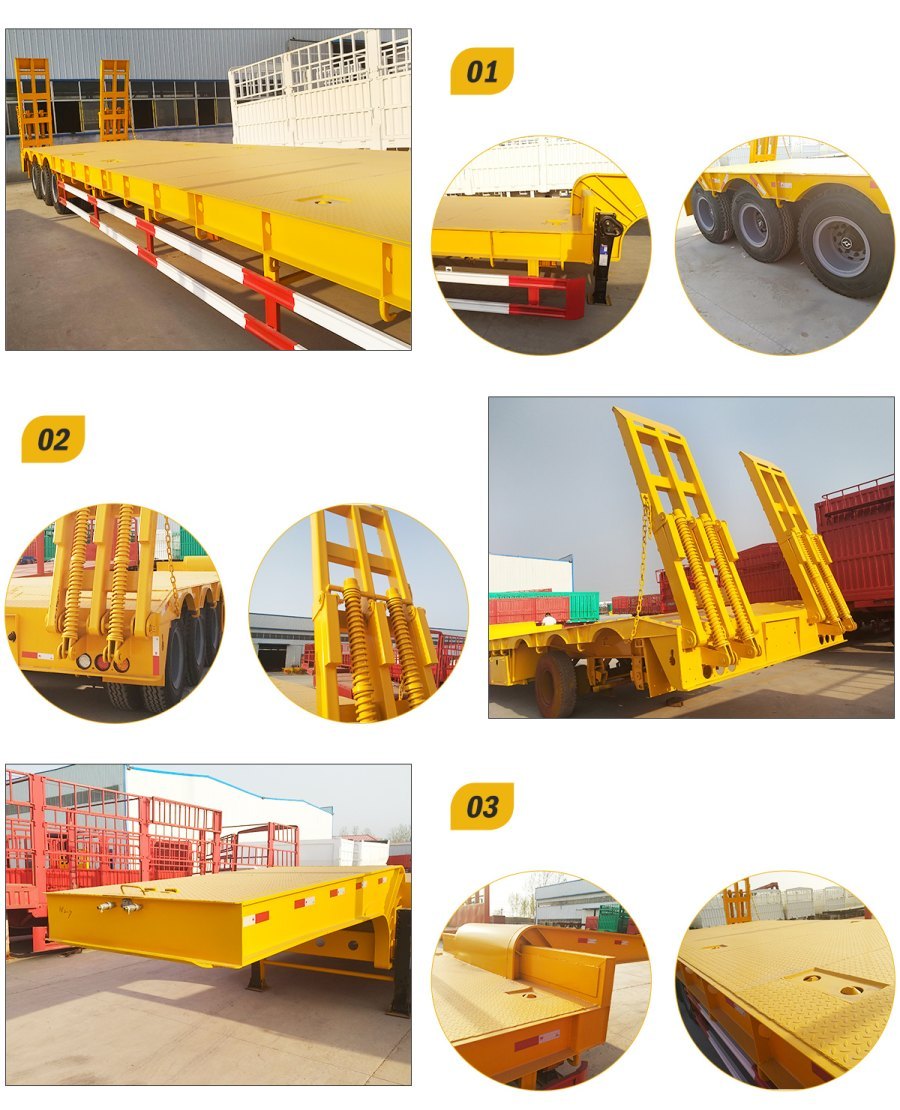
1. Technical Specification Comparison: Standard vs. Heavy Mining Reinforced I-Beams
Flange plate thicknesses, web heights, and submerged arc weld profiles across trailer chassis classes:
| Engineering Parameter | Standard Commercial Highway Chassis (Q345B) | Chengda Heavy Mining-Reinforced Chassis (T700 Alloy) |
|---|---|---|
| Main Beam Height Profile | Height: 500 mm constant or stepped profile | Height: 500 mm – 530 mm deep-section heavy profile |
| Upper Flange Plate Thickness | 14 mm high-strength steel plate | 16 mm or 18 mm heavy flange plate (Double-reinforced) |
| Lower Flange Plate (Tension Face) | 16 mm single steel plate | 18 mm or 20 mm high-yield steel plate + bottom fishplate |
| Web Plate Thickness | 6 mm or 8 mm single vertical web | 10 mm or 12 mm vertical web with pressed stiffeners |
| Factory Positive Camber (Arch) | +25 mm to +35 mm upward pre-stress camber | +35 mm to +50 mm high-load positive camber |
| Gooseneck Transition Radius | Standard welded joint with single diagonal gusset | Large-radius continuous pressed arc with boxed triangular gussets |
| Kingpin Upper Coupler Plate | 8 mm or 10 mm carbon steel rubbing plate | 12 mm or 14 mm heavy-duty wear-resistant rubbing plate |
| Rated Concentrated Load Capacity | approx. 35 – 45 Tons evenly distributed | 60 – 80 Tons concentrated mining overload |

2. The Physics of Factory Positive Camber & Beam Sagging
Semi-trailer main beams are manufactured with an intentional upward bow called positive camber:
- The Purpose of Positive Camber (+30mm): When the trailer is empty, the center of the chassis curves upward by 25mm to 35mm. When fully loaded with 40 tons of freight, the downward bending moment deflects the beam flat, establishing horizontal equilibrium.
- Loss of Camber (Permanent Sagging): If a trailer is chronically overloaded beyond yield limits or subjected to severe pothole impacts, the lower flange enters plastic deformation. The beam loses its arch and sags downward into a negative "swayback" bow, causing uneven tire scrubbing and bottoming out over railway crossings.
- Cold Hydraulic Camber Correction: Sagging beams can be restored by clamping hydraulic pulling rams across the top flange while jacking the bottom center upward with 50-ton cylinders, followed by welding full-length reinforcement straps along the lower tension flange.
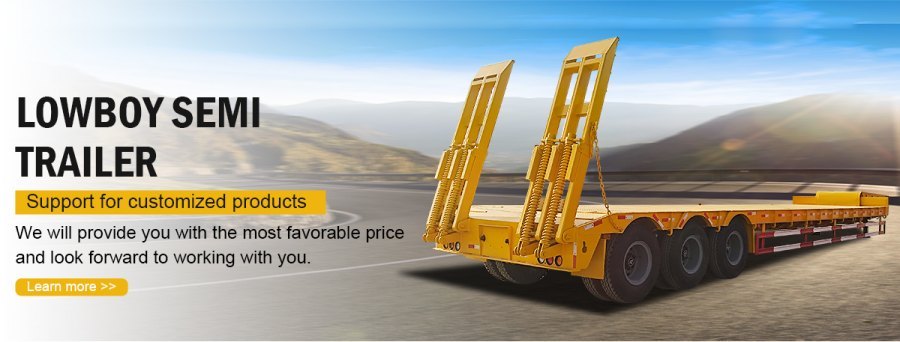
3. Gooseneck Fatigue Cracking: Why Stress Concentrates Behind the Landing Gear
The stepped gooseneck transition experiences the most violent stress reversals in the entire vehicle:
- The Leverage Fulcrum: When the tractor pulls forward, the kingpin pulls the trailer while the landing legs and suspension push back. Vertical and horizontal forces intersect at the curved transition between the shallow gooseneck and deep main beam, concentrating tensile stress along the bottom flange.
- Transverse Weld Seam Disasters:Never weld a transverse seam across the bottom tension flange! Transverse welds create microscopic heat-affected zones (HAZ) where fatigue cracks initiate. Longitudinal submerged arc welds running parallel to the beam must always be used.
- Double Triangular Box Gussets: Chengda reinforces the gooseneck inner curve with enclosed triangular box plates (fishplates) that bridge the stress concentration, dispersing bending loads across 1.5 meters of main beam web.
4. Step-by-Step Fatigue Crack Welding Repair Protocol
Improper welding creates immediate crack recurrence within 1,000 kilometers:
- Drill Stop-Holes: Locate the exact ends of the crack using dye-penetrant spray. Drill a 6mm to 8mm hole directly at both crack tips to terminate the stress propagation path.
- Grind a 60-Degree V-Groove: Grind the full length of the crack down to a clean 60-degree V-groove across the metal thickness using an angle grinder. Remove all paint, rust, and oil.
- Use Low-Hydrogen Electrodes (E7018 or ER50-6 Wire): Pre-heat the steel around the repair area to 120°C with an oxy-acetylene torch. Weld the root pass using low-hydrogen electrodes, followed by multi-pass weaving.
- Install a Diamond-Shaped Reinforcement Fishplate: Cut a reinforcement plate from 10mm Q345B steel with tapered 45-degree diamond ends (never square ends!). Clamp the plate over the repaired crack area and weld along the top and bottom longitudinal edges only—never weld the vertical ends!
Frequently Asked Questions
Q: What causes the kingpin upper coupler rubbing plate to dish and warp upward?
A: Coupler dishing occurs when the tractor backs into the trailer aggressively during coupling, or when coupling at an incorrect fifth wheel height, bending the 10mm plate and loosening kingpin mounting bolts.
Q: Can a cracked main beam be safely repaired on a loaded trailer?
A: Absolutely not! The trailer must be completely unloaded, supported on structural jack stands, and relieved of all bending stress before cutting or welding the chassis frame.
Q: Where can fleet operators source custom reinforced skeletal and flatbed chassis?
A: Browse our complete trailer catalog in the Semi-Trailers Category, view the Container Skeletal Trailers, or consult our International FAQ Center.
Request Heavy-Duty Chassis Drawings & Factory Quotation
Recommended Semi-Trailers
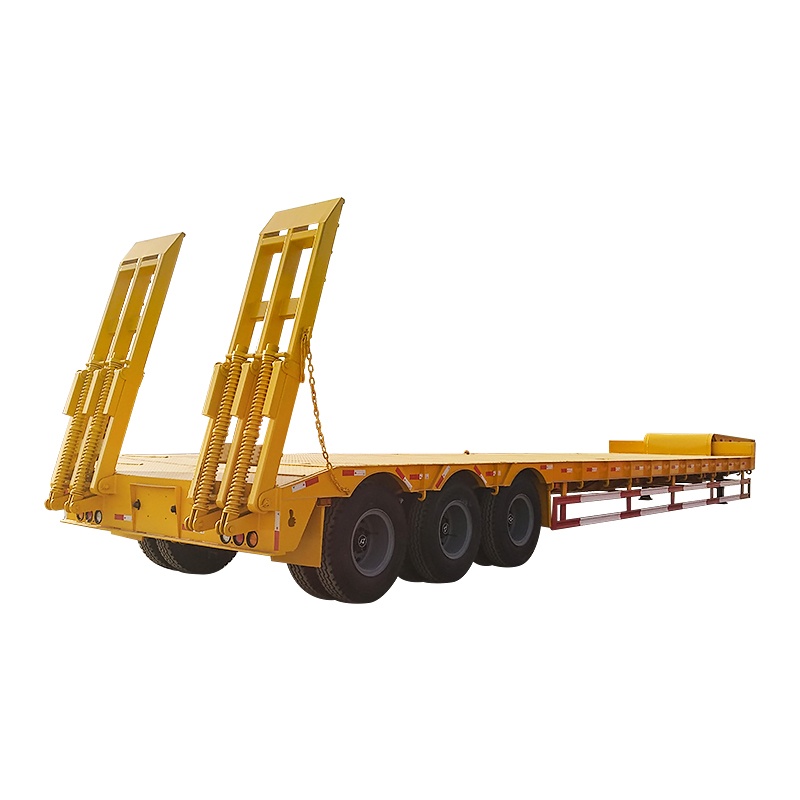 3 Axle Lowbed Semi Trailer | 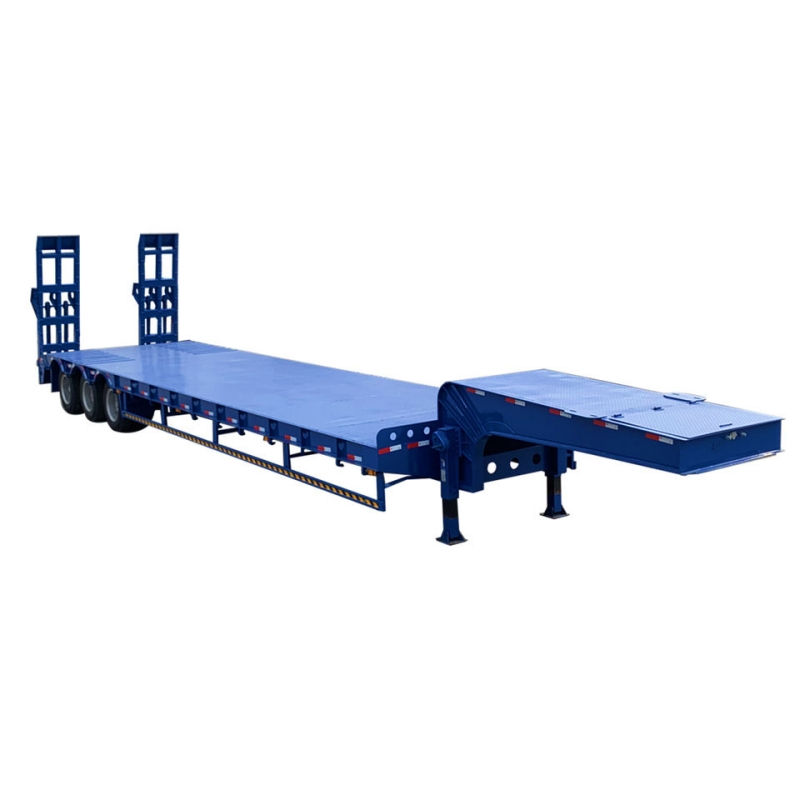 3 Axle Lowboy Trailer |  3 Axle Flatbed Trailer |