When descending 8% to 15% gradients with 40 to 60-ton mining payloads in rugged terrains across the East African Rift, Ethiopian highlands, or the Andes, friction wheel brakes alone quickly overheat past 400°C, causing catastrophic brake fade and runaway crashes. Equipping commercial dump trucks with an auxiliary hydraulic driveline retarder (Voith / Fast Gear FBD) or an engine compression release brake (Weichai EVB / Cummins iBrake / Jacobs) provides continuous non-wearing braking torque, absorbing up to 85% of total descending kinetic energy without wearing down brake linings.
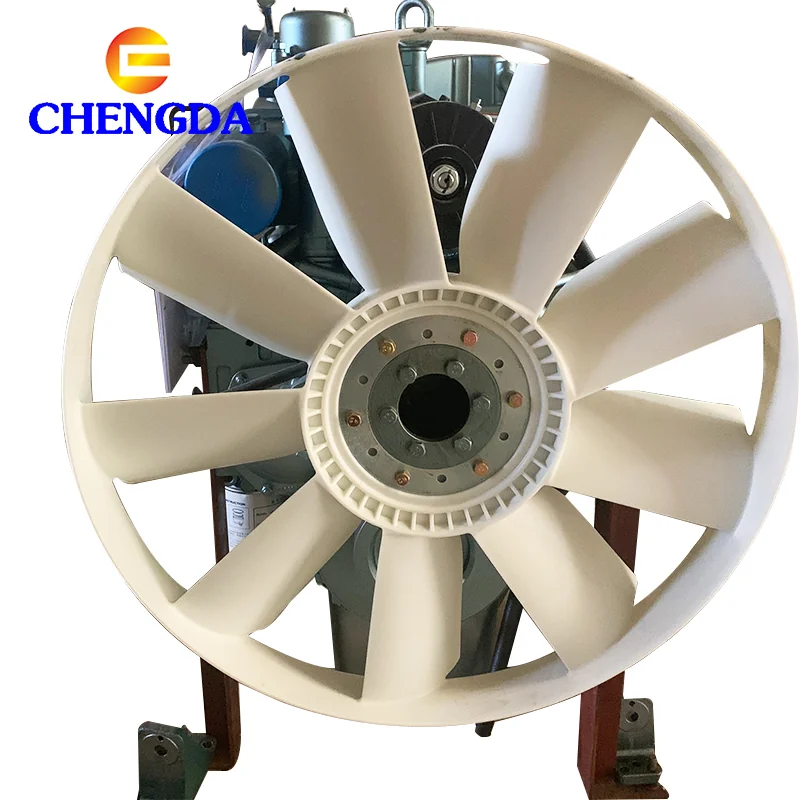
1. Technical Comparison: Hydraulic Retarder vs. Engine Compression Brake
Braking power densities, thermal dissipation methods, and installation weight differ across the two auxiliary braking technologies:
| Engineering Parameter | Hydraulic Driveline Retarder (e.g., Voith / Fast) | Engine Compression Release Brake (EVB / iBrake) |
|---|---|---|
| Braking Principle | Hydrodynamic churning friction: stator/rotor chambers shear specialized hydraulic oil | Modifies exhaust valve timing to turn diesel engine into a massive air compressor |
| Maximum Retarding Power | Massive auxiliary power: 450 kW to 650 kW (up to 900 HP of braking effort) | Moderate power: 250 kW to 370 kW (approx. 60% – 80% of engine power rating) |
| Braking Torque Curve | Continuous flat torque from 20 km/h to 90 km/h (independent of engine rpm) | Requires high engine RPM (1,900 to 2,200 rpm) to generate peak retarding pressure |
| Thermal Energy Dissipation | Heat transferred to specialized oil-to-water heat exchanger plumbed into engine coolant | Thermal energy blown directly out through the exhaust pipe into atmosphere |
| Tare Weight Impact | Adds approx. 65 – 85 kg (integrated into rear gearbox output flange) | Zero tare weight addition (internal valvetrain mechanism inside cylinder head) |
| Friction Lining Wear Reduction | Slashes brake shoe wear by 70% to 85% (linings last 200,000+ km) | Reduces brake shoe wear by 40% to 55% |
| Initial Equipment Cost | Higher initial investment ($1,800 – $2,500 optional factory upgrade) | Low cost (often standard equipment on electronic common rail engines) |
| Optimal Fleet Duty | Deep open-cast mining tippers, 60-ton lowbeds, severe mountainous transit | Regional highway logistics, mild rolling terrain, flatbed general freight |
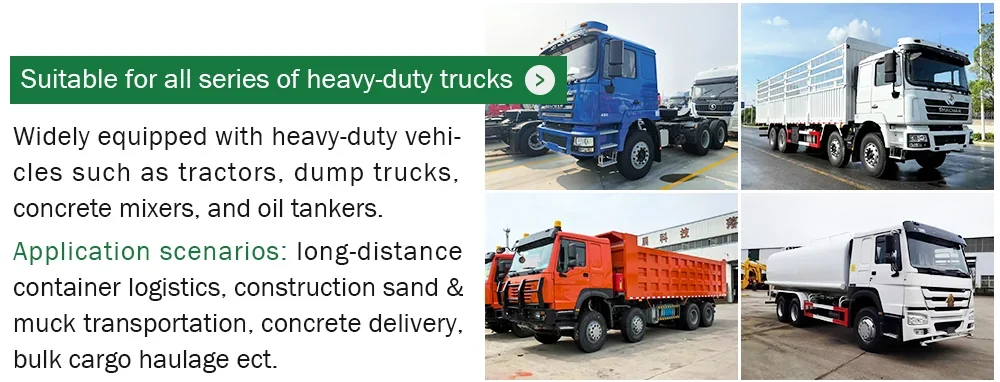
2. Hydrodynamic Braking Physics: How the Hydraulic Retarder Works
The hydraulic retarder is mounted directly onto the rear output shaft of the Fast Gear or ZF transmission:
- Rotor & Stator Vortex Chamber: When the driver engages the steering column brake wand, compressed air pushes transmission oil into the toroidal cavity between the spinning rotor and fixed stator. The spinning rotor accelerates the oil, which slams against the fixed stator blades, decelerating the driveline through hydrodynamic shear resistance.
- Constant Speed Downhill Cruise Control: Advanced retarders feature a "downhill cruise" setting. The driver taps the wand at 40 km/h, and the retarder automatically modulates oil volume to hold the 50-ton loaded tipper at exactly 40 km/h down a 10 km mountain pass without touching the service brake pedal.
- Heat Exchanger Plumbing: The churning oil heats rapidly. An integrated high-flow heat exchanger transfers this thermal energy directly into the truck's engine cooling radiator, dissipating heat safely.
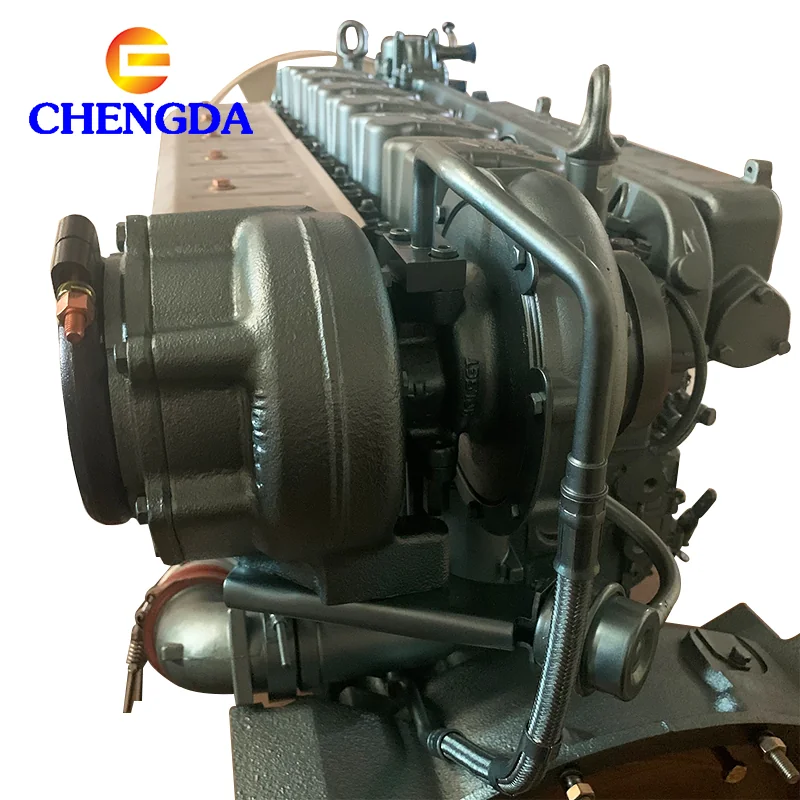
3. Engine Compression Braking: The Mechanical Workhorse
Engine decompression systems (Weichai Exhaust Valve Brake - EVB) provide indispensable baseline retarding:
- Compressing Air Without Combustion: When the driver lifts off the throttle, fuel injection cuts to zero. The exhaust butterfly valve restricts back-pressure, while a small slave piston opens the exhaust valves slightly at top dead center. The trapped compressed air is vented, preventing it from pushing the piston back down on the power stroke.
- Gear Downshifting Mandatory: Because engine braking power is directly proportional to engine RPM, drivers must downshift into a lower gear (e.g., 4th or 5th gear) to keep the tachometer needle hovering around 2,000 rpm where compression retarding is strongest.
4. Cold Drum Braking: The Ultimate Runaway Prevention
When descending steep unpaved mountain roads, the primary danger is that friction drum brakes become completely ineffective when hot:
- Eliminating Thermal Brake Fade: By using the hydraulic retarder or engine brake as the primary speed controller, wheel brake drums remain cold (under 80°C).
- 100% Emergency Reserve: If an unforeseen obstacle, washed-out road section, or pedestrian appears around a blind mountain corner, the driver hits the foot brake pedal, and the cold brake shoes bite immediately with maximum emergency friction torque to halt the vehicle instantly.
Frequently Asked Questions
Q: Does using a hydraulic retarder consume more diesel fuel?
A: No. The retarder operates solely on fluid friction without using diesel fuel. In fact, by eliminating brake drag and maintaining smoother downhill momentum, retarder-equipped trucks burn approximately 2% to 4% less fuel overall.
Q: Can a hydraulic retarder be retrofitted to an existing truck?
A: Retrofitting is difficult because it requires a dedicated transmission rear housing, electronic ECU wiring, and extra cooling radiator plumbing. We strongly advise fleet owners to order retarders factory-installed on new vehicle builds.
Q: Where can fleet buyers order mining trucks equipped with hydraulic retarders?
A: Browse our heavy vehicle catalog in the Commercial Trucks Category, view the Sinotruk Howo Prime Movers, or consult our International FAQ Center.
Request Mining Truck Specifications with Hydraulic Retarder
Recommended Semi-Trailers
 Howo 8x4 Dump Truck |  Shacman M3000 Dump Truck |  Howo 6x4 Dump Truck |