In heavy commercial trucks operating in 40°C to 50°C tropical ambient heat across Africa and the Middle East, the viscous silicone oil fan clutch (Bimetallic mechanical or Electronic PWM controlled) modulates cooling airflow through the charge-air cooler and radiator. Regulating fan speed based on engine coolant temperature prevents engine overheating above 100°C while eliminating 15 to 25 horsepower of parasitic drag when full cooling is unneeded, reducing fleet diesel consumption by 3% to 6%.
1. Technical Specification Comparison: Bimetallic Mechanical vs. Electronic PWM Fan Clutches
Temperature sensing mechanisms, engagement speeds, and parasitic power losses across fan clutch architectures:
| Engineering Parameter | Standard Bimetallic Coil Viscous Fan Clutch | Electronic PWM Solenoid Viscous Fan Clutch |
|---|---|---|
| Temperature Sensing Method | External coiled or flat bimetallic thermal spring on front cover | ECU-commanded PWM electrical pulse signal linked to water temp sensors |
| Clutch Engagement Temperature | Engages progressively when radiator air reaches 65°C – 75°C (Coolant ~88°C) | Engages instantly upon ECU command (Pre-cools on steep hill climbs) |
| Engagement Speed Range | Slips at 20% – 30% engine speed disengaged; locks up to 85% – 95% engaged | Modulates fan speed continuously from 10% to 95% of pulley speed |
| Parasitic Engine Horsepower Drain | approx. 18 – 28 HP consumed when fully locked up | approx. 12 – 22 HP (Engages only for exact duration needed) |
| Working Viscous Medium | High-viscosity polydimethylsiloxane silicone fluid (10,000 – 12,500 cSt) | Specialized high-shear synthetic silicone fluid |
| Fuel Economy Impact | Standard baseline fuel efficiency | Saves approx. 1.5% to 2.5% additional diesel compared to bimetallic |
| Diagnostic Complexity | Mechanical testing (Spin-resistance test by hand when hot) | Electronic diagnostic scanner reading fan slip ratio fault codes |
| Optimal Engine Applications | Sinotruk Howo WD615 (Euro II / III), Weichai WP10 mechanical | Weichai WP12 / WP13 (Euro IV / V), Sinotruk D12 common rail, Cummins ISG |
2. Fluid Shear Kinematics: How Silicone Oil Engages the Cooling Fan
The viscous fan clutch operates on fluid shear friction rather than mechanical friction lining contact:
- The Disengaged Idle State: When engine coolant is cool (below 82°C), silicone fluid is stored inside an internal reservoir chamber. The driven fan housing slips freely on internal ball bearings, rotating at only 20% to 30% of pulley speed to minimize engine drag.
- Bimetallic Valve Opening: When hot air radiating from the radiator core strikes the bimetallic spring on the clutch face, the spring unwinds, rotating an internal arm that uncovers valve ports. Centrifugal force pushes dense silicone fluid into the working shear chamber between the grooved rotor and housing.
- Fluid Shear Lockup: The high-viscosity silicone fluid (10,000 cSt) shears between the interlocking labyrinth grooves, transferring rotational torque to spin the heavy plastic or steel fan blades at up to 2,000 rpm, drawing thousands of cubic feet of cooling air through the radiator.

3. Troubleshooting Overheating & Constant Lockup Symptoms
Field mechanics can diagnose primary fan clutch malfunctions using simple operational checks:
| Observed Engine Symptom | Most Probable Root Cause | Immediate Corrective Action |
|---|---|---|
| Engine overheats (>100°C) climbing hills; fan turns lazily | Silicone oil leaked past front shaft seal; exhausted/broken bimetallic thermal spring; internal valve stuck closed | Perform the "Newspaper Test" or hot-resistance check; replace viscous clutch assembly or refill silicone fluid |
| Fan roars continuously like a jet engine; high fuel burn | Seized internal bearings; silicone oil carbonized into solid sludge; internal valve jammed permanently open | Replace fan clutch immediately; running permanently locked increases fuel consumption by 2 to 3 L/100km |
| Greasy oily dirt caked on the front face of the fan clutch | Failed shaft lip seal leaking clear silicone oil into the airstream, resulting in gradual loss of fan drive torque | Wipe clean; check for shaft radial play; replace fan clutch before complete oil depletion causes engine boiling |
| Excessive fan blade wobble / vibration | Worn dual internal water pump or fan clutch ball bearings; chipped or cracked plastic fan blade | Inspect fan blade tips for missing pieces; replace worn bearing support assemblies |
4. The Standard Field "Spin-Resistance" & "Newspaper" Test
Confirming fan clutch failure without electronic diagnostic equipment:
- The Hot Engine Resistance Check: Warm the engine up to 95°C until the thermostat opens. Shut off the engine immediately. Try to spin the fan blades by hand (wearing heavy gloves). A healthy clutch should offer stiff hydraulic resistance and turn less than 1/4 turn. If the fan spins freely by hand for several revolutions, all silicone oil has leaked out.
- The Rolled Newspaper Safety Test: With the engine idling hot (water temp > 92°C), attempt to gently slow down the fan tips using a tightly rolled newspaper tube. If the newspaper stops the fan easily while the engine is hot, the clutch is slipping internally and condemned. (Never use hands or rigid tools!)
Frequently Asked Questions
Q: Can silicone fluid be refilled into a slipping fan clutch?
A: Yes. On serviceable bimetallic clutches, mechanics can remove the front bimetallic spring, unscrew the fill plug, and inject 40ml to 60ml of genuine 10,000 cSt or 12,500 cSt pure silicone oil using a syringe to restore full locking torque.
Q: Can the fan clutch be bolted solid (welded) in an emergency?
A: In remote African mining areas, mechanics often drill holes through the housing and insert bolts to lock the fan solid. While this prevents engine overheating, it causes extreme aerodynamic roaring, burns an extra 2.5 liters of fuel per 100 km, and risks shattering plastic fan blades at high engine RPM.
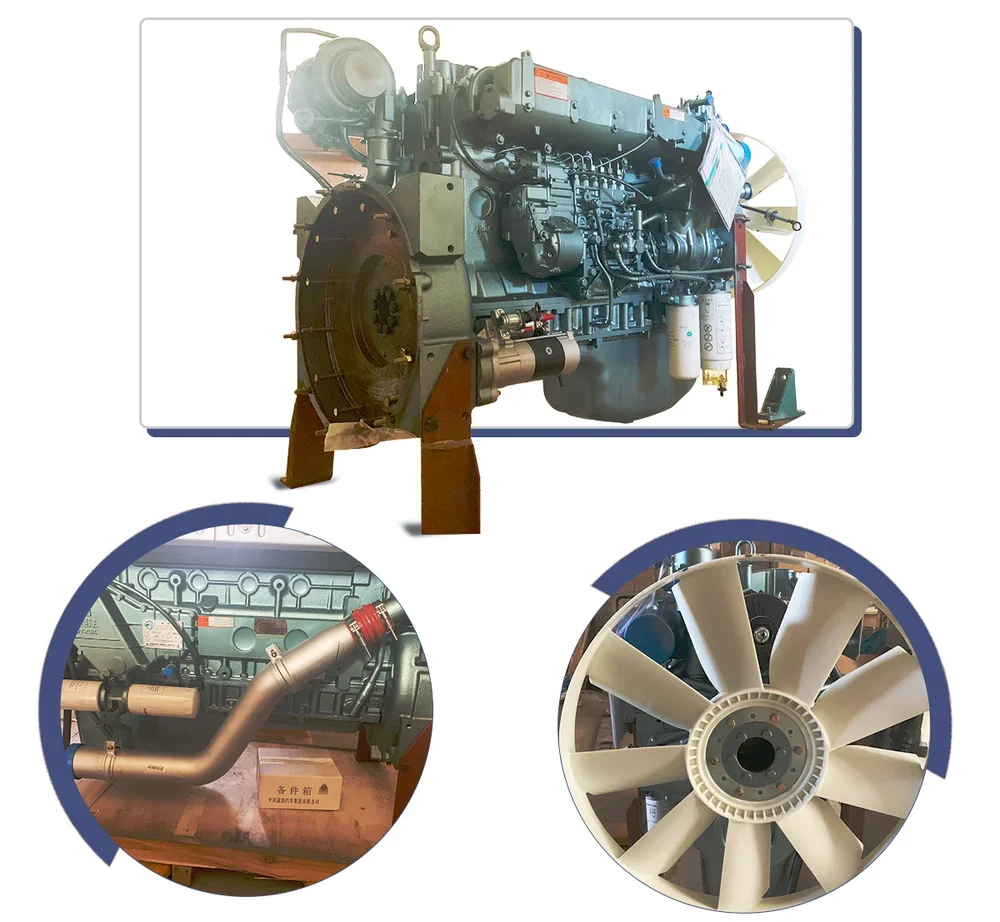
Q: Where can fleet operators source genuine viscous fan clutches and heavy fan blades?
A: Browse our complete cooling system inventory in the Heavy-Duty Spare Parts Category, inspect original Diesel Engine Assemblies, or consult our International FAQ Center.
Request Fan Clutch Quotation & Cooling Parts Catalog
Recommended Semi-Trailers
 3 Axle Lowbed Semi Trailer |  4 Axle Dump Trailer |  Howo 8x4 Dump Truck |