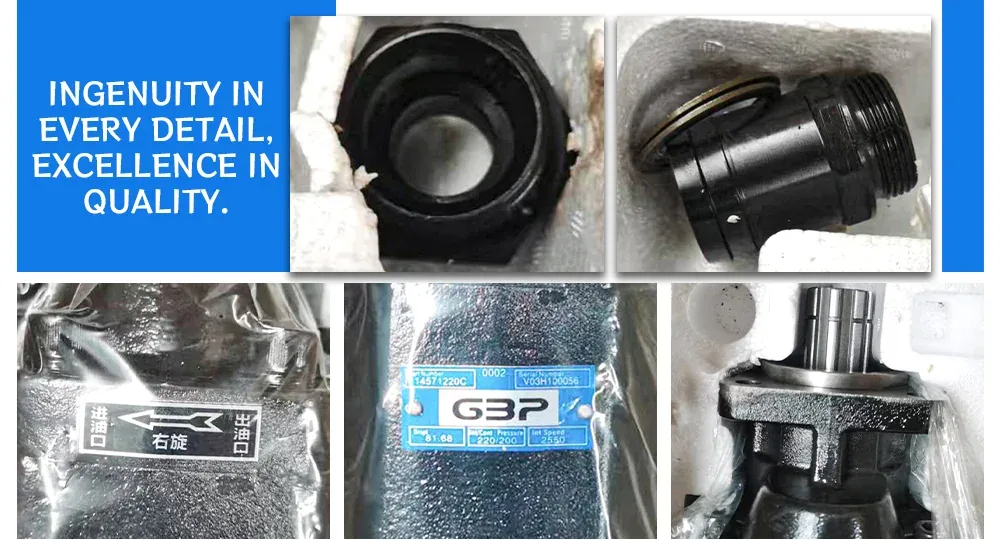
In heavy commercial 6x4 and 8x4 mining tippers and cross-country prime movers (Sinotruk Howo AC16/HC16, Shacman Hande MAN 16T), the pneumatic differential lock shift cylinder and splined sliding dog-clutch collar lock the open differential gears solid when traversing deep laterite mud, loose sand, or slippery quarry ramps. Actuated by in-cab dashboard switches via 0.70 to 0.85 MPa vehicle air pressure, diagnosing pneumatic piston seal blow-by, restoring weakened shift fork return springs, and preventing accidental engagement while wheels are spinning eliminates chipped sliding dog teeth and cracked axle differential housings.
1. Technical Specification Comparison: Inter-Axle vs. Inter-Wheel Differential Lock Architectures
Locking mechanisms, pneumatic operating pressures, torque capacities, and engagement constraints across heavy drive axles:
| Engineering Parameter | Inter-Axle Differential Lock (Between Tandem Axles) | Inter-Wheel Differential Lock (Between Left & Right Wheels) |
|---|---|---|
| Mechanical Locking Location | Intermediate axle central planetary through-drive carrier | Outer differential case locking side gear directly to axle shaft |
| Torque Distribution When Locked | Strictly 50/50 torque split between forward-rear & rear axles | 100% positive torque lock: Left and right wheels rotate at identical RPM |
| Sliding Collar Dog-Clutch Profile | Involute straight splines with undercut anti-slip face angles | Coarse face-dog teeth (8 to 12 heavy face teeth, induction-hardened) |
| Shift Cylinder Piston Diameter | approx. 50 mm – 60 mm single-acting pneumatic piston | approx. 65 mm – 75 mm large-bore high-clamping air cylinder |
| Pneumatic Operating Pressure | 0.70 – 0.85 MPa (Tapped from auxiliary pneumatic circuit) | Strictly 0.75 – 0.85 MPa (Requires positive holding force) |
| Dashboard Indicator Switch | Spring-loaded mechanical pin switch (Grounds indicator light) | Hermetically sealed ball-plunger switch verifying full collar travel |
| Permissible Engagement Speed | Engage while moving straight slowly (< 15 km/h) without spin | Strictly engage at complete standstill (0 km/h) before entering mud |
| Highway Cornering Behavior If Locked | Slight driveline wind-up; manageable steering response | Severe danger: Vehicle refuses to turn, plowing straight ahead |

2. Kinematics of Engagement: Why Engaging During Wheelspin Shatters Dog Teeth
The single most destructive operator blunder on a heavy truck is flipping the lock switch while stuck:
- The 500 RPM Speed Differential Disaster: When an 8x4 tipper bogs down in soft sand, one drive wheel often spins uncontrollably at 500 rpm while the opposite wheel rests motionless. If the driver panics and flips the inter-wheel differential lock switch while the tire is spinning, the pneumatic cylinder rams the stationary sliding collar into teeth rotating at high speed.
- Catastrophic Dog-Tooth Fragmentation: The shock load shatters the hardened steel face-dog teeth like glass. Steel shrapnel circulates through the central axle housing, dropping into the hypoid crown wheel and pinion mesh, destroying a $3,500 complete rear axle carrier assembly in seconds.
- The Golden Standstill Rule: Always bring the vehicle to an absolute dead stop (0 km/h). Flip the differential lock switch, confirm the dashboard warning buzzer and amber indicator light illuminate, and only then apply gentle accelerator throttle to crawl out of the mud.
3. Troubleshooting Shift Cylinder Air Leaks & Sticking Collars
Inability to engage or failure of the differential lock to disengage traces to specific pneumatic faults:
| Observed Differential Lock Fault | Most Probable Root Cause | Immediate Corrective Action |
|---|---|---|
| Switch flipped ON; light stays OFF; differential remains open | Piston seal leaking inside shift cylinder; air line pinched; air pressure below 0.6 MPa; burned dashboard bulb | Measure 0.8 MPa air delivery at cylinder port; replace pneumatic shift piston O-ring; test sensor switch |
| Differential lock will not disengage after driving onto asphalt | Driveline torque wind-up holding dog teeth pinched; broken internal return spring; seized shift fork shaft | Stop truck; back up 5 meters in reverse to relieve torsional bind; replace fatigued internal spring |
| Air hisses continuously from the axle housing breather vent | Pneumatic shift cylinder piston seal ruptured, blowing 0.8 MPa air directly into the differential oil cavity | Remove differential lock air cylinder cap; replace piston U-cup seal and shaft rod seal |
| Dashboard light blinks or flickers while driving on rough terrain | Misadjusted indicator switch; sliding collar vibrating on worn shift fork pads; low air pressure | Shim indicator switch depth; inspect bronze shift fork pads for wear (>1.5mm wear requires replacement) |
4. Step-by-Step Shift Cylinder Overhaul & Stroke Adjustment Protocol
Servicing the differential lock shift cylinder on the rear axle housing without dropping the carrier:
- Exhaust Vehicle Air & Disconnect Lines: Drain all vehicle air tanks to zero pressure. Disconnect the 8mm nylon air supply tube and 2-pin electrical indicator sensor plug from the differential lock cylinder housing.
- Unbolt the Shift Cylinder Housing: Remove the four M10 retaining bolts securing the aluminum cylinder body to the axle carrier bowl. Slide the cylinder carefully off the internal shift rod.
- Inspect Piston Seals & Return Spring: Extract the internal aluminum piston. Check the heavy coil return spring for corrosion cracks. Replace both the outer piston seal and the center rod shaft seal with high-temperature Viton seals lubricated with silicone grease.
- Verify Shift Fork Free Travel: Reach into the axle housing hole with a pry-tool. Slide the internal shift fork manually: it must slide smoothly along its splines with zero binding. The sliding collar dog teeth must engage at least 8.0 mm of full tooth overlap into the side gear pocket.
- Re-torque and Calibrate Indicator Switch: Bolt the cylinder back to the axle housing, torquing bolts to 45 N·m. Screw the electrical indicator switch in until the internal ball contacts the shift fork shaft in the engaged position, testing continuity with an ohmmeter before tightening the jam nut.
Frequently Asked Questions
Q: What happens if a driver forgets to disengage the differential locks on paved highways?
A: Driving on dry pavement with differential locks engaged prevents left and right wheels from rotating at different speeds in curves. The tires scrub violently, the truck resists steering (plows straight forward), and severe torsional wind-up twists or snaps the axle half-shafts.
Q: Can differential lock air cylinders freeze up during cold plateau mornings?
A: Yes! Condensed water trapped inside unserviced trailer air tanks collects in the low-point differential lock cylinders, freezing the piston solid. Maintain your air dryer cartridge annually to prevent ice binding.
Q: Where can fleet operators source genuine Sinotruk AC16 and Hande differential lock cylinders and shift forks?
A: Browse our complete axle and drivetrain inventory in the Heavy-Duty Spare Parts Category, inspect original Commercial Heavy Trucks, or consult our International FAQ Center.
Request Differential Lock Cylinders & Axle Spares Quotation
Recommended Semi-Trailers
 Howo 8x4 Dump Truck |  3 Axle Lowbed Semi Trailer |  4 Axle Dump Trailer |