In modern closed-loop commercial petroleum transport, Stage I vapor recovery valves and electronic optic overfill prevention sensors (API RP 1004 & ADR standards) form the primary safety interlock during bottom-loading rack operations at refinery fuel terminals. Connecting the 4-inch API bottom loading adaptors, returning explosive hydrocarbon vapors back to terminal storage, and maintaining optical prism cleanliness prevents catastrophic terminal flash fires, diesel vapor emissions, and compartment overfill spills.

1. Technical Specification Comparison: Top Splash Loading vs. Bottom Vapor-Recovery Loading
Terminal loading speeds, volatile emissions, and safety automation across petroleum tanker loading standards:
| Engineering Parameter | Traditional Top Manhole Splash Loading | Modern Bottom Loading with Vapor Recovery & Optic Overfill |
|---|---|---|
| Loading Method | Open top manhole with dropped loading drop pipe (Splash filling) | Hermetically sealed bottom API dry-break loading adaptors (Ground-level) |
| Hydrocarbon Vapor Emission | 100% of volatile gasoline fumes escape directly into atmosphere | Zero emissions; vapors forced through top vent valves back to terminal |
| Overfill Prevention Mechanism | Manual visual operator observation (Prone to human error spills) | Fail-safe electronic optic/thermistor sensor auto-trips terminal pumps at 98% |
| Operator Safety Profile | High risk: Operator must climb on wet slippery tank top near vapors | Maximum safety: Operator stays safely on the ground throughout loading |
| Terminal Loading Rate | approx. 800 – 1,200 Liters / minute per arm | Up to 2,000 – 2,500 Liters / minute per compartment |
| Vapor Recovery Vent Valve Spec | Simple atmospheric pressure relief breather cap | Pneumatically sequential vapor vent valve (1.5" or 3" flanged) |
| Electronic Sensor Standard | N/A | 5-Wire or 2-Wire intrinsically safe optic sensor probe (EN 13922) |
| Regulatory Compliance | Banned in major commercial petroleum depots worldwide | Mandatory ADR, API RP 1004, and international environmental standard |
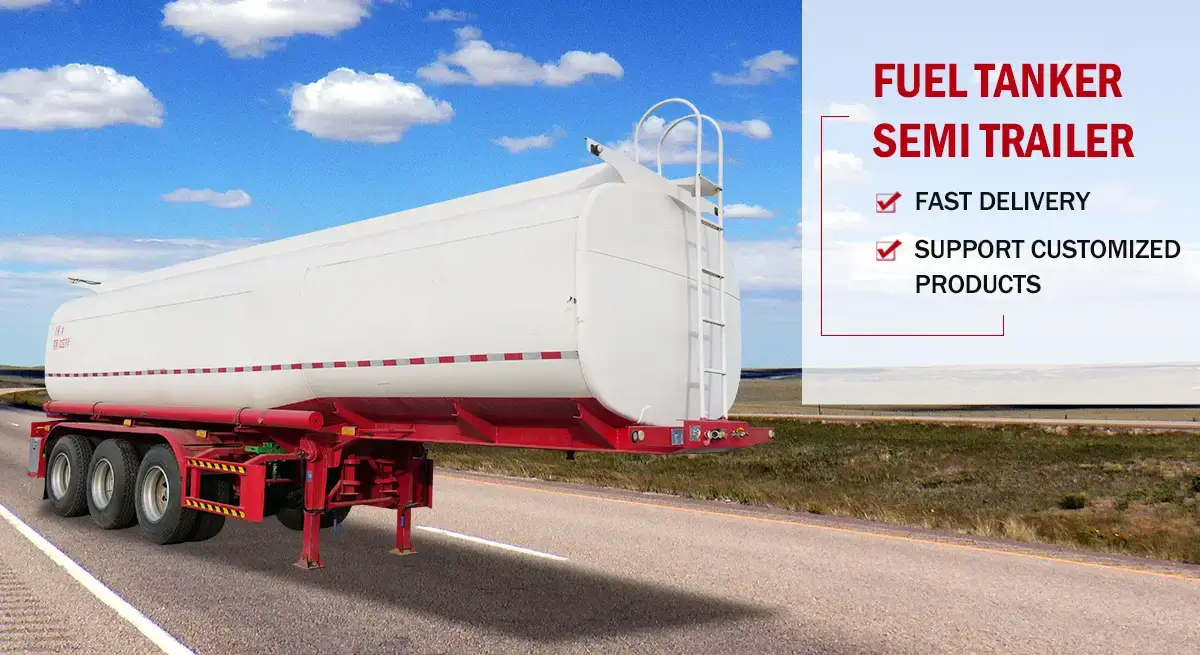
2. The Closed-Loop Vapor Recovery System Architecture
When pumping 45,000 liters of petroleum into a tanker, an equal 45 cubic meters of volatile hydrocarbon air must be safely displaced:
- Sequential Pneumatic Vapor Vent Valves: Mounted on the top inspection manhole of each compartment. When the operator flips the bottom control switch, compressed air opens the top vapor recovery valve before the bottom foot valve opens, preventing vacuum or pressure surges.
- Longitudinal Vapor Manifold Pipe: Interconnects all compartment vapor vents into a common 3-inch or 4-inch aluminum conduit running down to a bottom vapor recovery coupling at the tanker loading station.
- Vapor Return Hose to Terminal: A flexible conductive vapor hose channels displaced fumes back into the terminal's vapor recovery unit (VRU), condensing volatile gases back into liquid gasoline rather than polluting the atmosphere.

3. Optic Overfill Prevention Sensors: How Optical Prisms Detect Liquid
Electronic overfill sensors prevent overfilling compartments, which causes catastrophic petroleum spills:
- Total Internal Reflection Physics: An infrared light beam generated by the sensor body travels down into a precision glass prism tip. When surrounded by dry air or vapor, the prism reflects 100% of the light back to an internal phototransistor detector, confirming to the rack computer that the compartment is safe to fill.
- The Wetted Prism Signal Trip: When liquid fuel rises and wets the glass prism at 98% tank capacity, the refractive index changes. Light refracts out into the liquid rather than reflecting back. The phototransistor detects zero return light, instantly cutting the electrical ground signal to the terminal gantry and shutting down terminal loading pumps in under 0.5 seconds.
- Fail-Safe Diagnostics: If an optic sensor wire breaks, corrodes, or disconnects, the lack of return signal automatically defaults to a "Liquid Detected" state, preventing loading until the circuit is repaired.
4. Troubleshooting Common Bottom-Loading Interlock Failures
| Observed System Fault | Most Probable Root Cause | Immediate Corrective Action |
|---|---|---|
| Terminal rack computer displays "Permit Red" (Refuses to load) | Dirty/coated optic sensor prism; broken 5-wire harness conductor; bad grounding socket ground bolt | Clean glass prism with alcohol rag; verify continuous resistance across ground pin (< 5 ohms) |
| Fuel weeping from top vapor recovery vent valves | Overfilled compartment liquid entering vapor line, or degraded Viton seal ring in top vent valve | Drain liquid from low-point vapor drain; replace vapor vent valve internal sealing disc |
| Vapor vent valve fails to open when air is applied | Frozen moisture inside nylon control airline; jammed internal air piston; low pilot pressure (< 0.45 MPa) | Verify 0.6 MPa air supply; replace internal pneumatic actuator seals; thaw and drain airline |
Frequently Asked Questions
Q: What is the difference between 2-wire and 5-wire optic overfill sensors?
A: 5-wire optic sensors allow advanced multi-channel electronic diagnostics and individual compartment status monitoring, while 2-wire thermistor/optic systems operate on simpler series circuits.
Q: How do operators verify that the tanker is statically grounded during loading?
A: The ground verification bolt inside the 10-pin trailer optic socket couples to a dedicated ground verification monitor on the terminal rack arm, preventing pumping if electrical ground resistance exceeds 10 ohms.
Q: Where can petroleum logistics fleets order certified ADR fuel tanker trailers and components?
A: Explore our complete liquid transport catalog in the Semi-Trailers Category, view the 3-Axle Fuel Tanker Trailer, or consult our International FAQ Center.
Request ADR Tanker Specifications & API Hardware Quotation
Recommended Semi-Trailers
 3 Axle Oil Tank Trailer |  2 Axle Fuel Tanker Trailer |  Howo 8x4 Dump Truck |