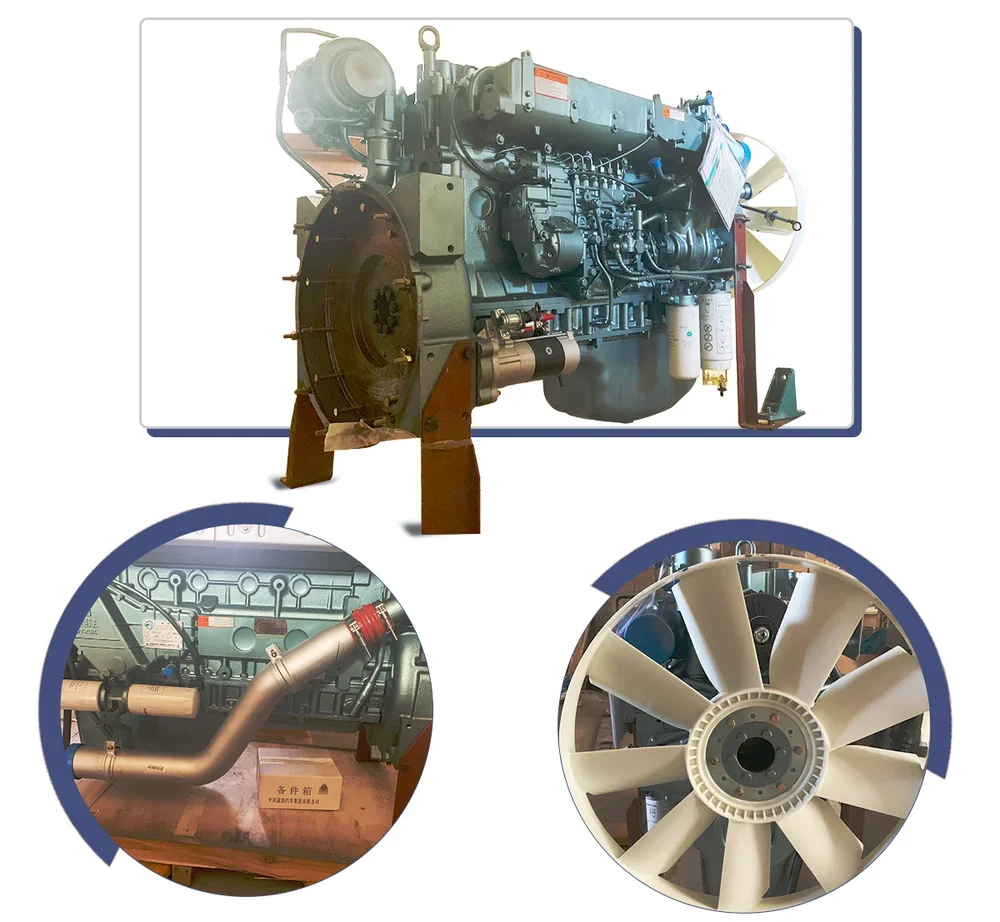
In modern electronic heavy commercial diesel trucks (Sinotruk Howo D12, Weichai WP12/WP13, Shacman X3000), the electronic viscous silicone oil fan clutch (BorgWarner / Horton PWM electromagnetic control) replaces traditional bimetallic thermal springs with computer-controlled cooling precision. Receiving a Pulse Width Modulation (PWM) signal from the engine ECU based on coolant temp, charge-air temp, and retarder oil heat, diagnosing PWM solenoid circuit opens (DTC P0480), Hall-effect fan speed sensor dropouts, and locked-up clutches prevents chronic low engine coolant temperature (< 75°C) and excessive 4% to 6% diesel fuel waste.
1. Technical Specification Comparison: Bimetallic Mechanical vs. Electronic PWM Viscous Fan Clutches
Engagement response times, temperature triggers, parasitic power losses, and diagnostic architectures across truck cooling fans:
| Engineering Parameter | Standard Mechanical Bimetallic Coil Fan Clutch | Electronic PWM Solenoid Viscous Fan Clutch (OEM Spec) |
|---|---|---|
| Engagement Control Medium | Thermal coiled bimetallic spring expanding in hot radiator air | Electronic 24V PWM solenoid valve commanded by engine ECU |
| Fan Speed Modulation Precision | Coarse mechanical slip; lags coolant spikes by 30 – 60 seconds | Infinitely variable: Modulates from 10% to 95% of pulley speed instantly |
| Integrated Feedback Sensor | None (Zero communication with engine computer) | Internal Hall-effect speed sensor reporting true fan RPM back to ECU |
| Pre-Cooling Capability | None (Engages only after radiator core air is already boiling hot) | Proactive pre-cooling: Engages prior to hill climb or retarder activation |
| Parasitic Power Loss When Cold | approx. 5 – 8 HP parasitic drag at idle/cruise | Minimal: approx. 1.5 – 2.5 HP disengaged drag (saves 3% fuel) |
| Fail-Safe Default Operational Mode | Fails in disengaged slip (Causes catastrophic engine overheating) | Fails 100% LOCKED UP if electrical wire is severed (Prevents overheating) |
| Wiring Interface Standard | N/A (Purely mechanical) | 4-Pin or 6-Pin sealed connector (Power, PWM ground, Sensor +, Sensor -) |
| Optimal Engine Applications | Legacy mechanical Euro II engines (Sinotruk WD615 mechanical) | Electronic common rail engines: Weichai WP10/WP12, Sinotruk D12, Cummins |
2. Kinematics of Electronic PWM Control: How Silicone Fluid Modulates Speed
An electronic viscous fan clutch operates on fluid shear controlled by high-speed magnetic pulses:
- The Fail-Safe Spring & Magnetic Solenoid: Inside the clutch, an internal mechanical return spring holds the silicone oil valve port wide open by default. To disengage the fan when the engine is cold, the ECU sends a continuous high PWM duty cycle (approx. 90%) to energize the internal magnetic coil, pulling an armature closed against spring pressure to store silicone oil in the idle reservoir.
- The Modulated Shear Engagement: When the coolant temperature rises to 88°C, the ECU reduces PWM duty cycle to 40%. The magnetic pull weakens, allowing the spring to partially crack open the valve port. Exactly calculated volumes of high-viscosity silicone fluid flow into the working shear labyrinth, driving the fan at the exact RPM needed to stabilize temperatures.
- Why Severed Wires Cause 100% Jet-Engine Roar: Because the electrical solenoid must be energized to keep the valve closed, if the wiring harness breaks or a fuse blows, magnetic force drops to zero. The spring snaps the valve wide open. 100% of silicone fluid floods the working chamber, locking the fan solid to the pulley at 2,000 rpm with a continuous deafening roar!

3. Troubleshooting Fan Lockup, Low Coolant Temp & Diagnostic Codes
Field mechanics can diagnose PWM fan clutch malfunctions using multimeters and diagnostic scanners:
| Observed Engine Symptom | Most Probable Root Cause | Immediate Corrective Action |
|---|---|---|
| Fan roars like a jet engine constantly; coolant temp stays cold (< 70°C) | Broken PWM signal wire; blown fan clutch 24V fuse; shorted internal solenoid coil; DTC P0480 active | Test 24V power at pin #1; test PWM ground signal from ECU; replace fan clutch if coil reads open circuit |
| Engine overheats (>100°C) climbing grades; fan turns lazily without roaring | Silicone fluid leaked past front shaft seal; internal valve armature mechanically seized shut in housing | Check for oily dirt caked on clutch face; measure fan RPM on scanner; replace defective fan clutch assembly |
| DTC P0483 (Fan Speed Rationality) or P0481 active on scanner | Internal Hall-effect fan speed sensor failed; damaged sensor signal wire; metallic grit on magnetic pickup | Back-probe sensor signal wire with oscilloscope/multimeter (Verify 5V pulses when rotating fan by hand) |
| Excessive diesel consumption (Truck burns extra 3 to 4 L/100km on highway) | Fan permanently locked up at 100% duty, consuming 25 to 30 continuous engine horsepower | Diagnose and restore PWM electrical control; running locked fan costs over $3,000/year in wasted diesel |
4. Step-by-Step Multimeter Diagnostic & Duty Cycle Testing Protocol
Testing the electronic fan clutch circuit in under 10 minutes without guessing:
- Test Solenoid Coil Resistance: Disconnect the fan clutch 4-pin harness connector. Set digital multimeter to Ohms. Measure resistance across the two solenoid coil pins. Normal factory resistance must measure between 12.0 Ohms and 18.0 Ohms at 20°C. If resistance reads 0.0 Ohms (shorted) or infinite OL (open coil), replace the clutch assembly!
- Verify 24V Power Supply: Turn the vehicle ignition switch ON. Measure voltage between harness harness pin #1 (Power) and battery ground. The multimeter must read full battery voltage (24.0V to 25.5V DC). If zero, check the engine compartment fuse box.
- Test ECU PWM Ground Command: Set multimeter to "% Duty Cycle" or connect an automotive oscilloscope. Start the engine. As coolant temperature rises above 92°C, the ECU should modulate the PWM command from 90% down to 20%, commanding fan engagement.
- Inspect Wiring Harness Retaining Bracket: The flexible wire harness leading from the front timing cover to the stationary center hub of the fan clutch is subjected to intense wind turbulence and engine vibration. Verify that the harness is clamped firmly in its steel anti-rubbing bracket. Worn wires shorting against the radiator shroud are the #1 cause of false fan failures!
Frequently Asked Questions
Q: Why does running with low coolant temperature (under 75°C) damage diesel engines?
A: When a locked fan forces the engine to run cold, engine oil cannot reach its 90°C design viscosity, increasing internal frictional drag. Furthermore, fuel condenses on cold cylinder liners, washing away the lubricating oil film and causing accelerated piston ring and liner wear.
Q: Can an electronic PWM fan clutch be temporarily locked solid in bush emergencies?
A: Yes. If an internal silicone fluid leak causes the fan to slip and overheat in remote African mining areas, mechanics can insert emergency locking bolts through the designated holes in the housing, locking the fan mechanically to the pulley to reach a service depot.
Q: Where can fleet operators procure genuine Weichai and Sinotruk electronic PWM fan clutches?
A: Browse our complete cooling system inventory in the Heavy-Duty Spare Parts Category, view original Commercial Heavy Trucks, or consult our International FAQ Center.
Request Electronic Fan Clutches & Cooling Parts Quotation
Recommended Semi-Trailers
 BYD Sealion 06 EV |  Geely EX5 |  3 Axle Flatbed Trailer |