In high-pressure electronic common rail commercial diesel engines (Sinotruk Howo D12, Weichai WP10/WP12, Shacman X3000), injector internal return fuel leakage (back-leak / leak-off quantity) is the primary diagnostic indicator of control valve seat wear. When worn internal ball valves or eroded needle guide barrels allow pressurized fuel to blow by directly into the return line, excessive back-leakage drains common rail pressure below the 250-bar cranking threshold, causing extended starting cranking times (>10 seconds), sudden stalling under heavy highway acceleration, and diagnostic trouble code P0087 (Rail Pressure Too Low).
1. Technical Specification Comparison: Healthy vs. Worn Injector Return Flow Limits
Back-leak volume limits, cranking leak thresholds, and cylinder balance parameters across 6-cylinder diesel engines:
| Test Operating Condition | Factory Nominal Healthy Injector Standard | Critical Wear / Condemnation Replacement Limit |
|---|---|---|
| Engine Cranking Test (10-Second Starter Spin) | Strictly ≤ 5.0 to 8.0 ml per individual injector | Exceeds 15.0 to 20.0 ml (Rail cannot build 250 bar to fire) |
| Warm Engine Low Idle (650 RPM, 3-Minute Test) | approx. 15.0 – 25.0 ml total volume per cylinder | Exceeds 45.0 ml per cylinder (Severe valve seat scouring) |
| High-Load Acceleration Test (1,800 RPM, 1,400 Bar) | approx. 35.0 – 50.0 ml total volume per minute | Exceeds 90.0 ml / minute (High-pressure pump delivery starved) |
| Allowable Variance Across All 6 Cylinders | Highest cylinder leak within ≤ 1.5x of lowest cylinder | Highest cylinder leak exceeds 2.5x to 3.0x lowest cylinder |
| Internal Hydraulic Pressure Environment | Seals tightly against 1,600 – 1,800 bar rail pressure | High-pressure drops due to internal seal blow-by into return |
| Common Rail Pressure Build-Up Time | Builds from 0 to 250 bar within 1.5 to 2.0 seconds of cranking | Struggles past 150 – 180 bar after 8 seconds of starter cranking |
| Engine Starting Profile (Hot Engine vs Cold) | Instant start within 2 starter revolutions hot or cold | Starts cold, but refuses to restart when hot (Thin hot fuel leaks faster) |
| Test Tooling Required | Specialized 6-chamber graduated measuring bottle kit with hoses | Transparent vinyl tubing + 6 x 100ml graduated laboratory cylinders |
2. Kinematics of Internal Injector Leakage: Why Hot Engines Refuse to Start
Every time an injector fires, a microscopic volume of fuel vents to the return line to balance hydraulic forces:
- The Control Chamber Valve Seat: Inside a Bosch common rail injector, a precision tungsten-carbide ball valve (measuring just 1.34mm in diameter) seats against a micro-lapped orifice. Under 1,800 bar hydraulic pressure, this valve controls the lifting of the main injector needle.
- Abrasive Fuel Silt Erosion: In African and Latin American haulage operations, sub-standard diesel containing fine quartz silica dust acts as high-velocity liquid sandpaper. The abrasive fluid erodes the circular contact seat into microscopic microscopic grooves.
- The Hot Fuel Viscosity Drop: Cold diesel fuel is relatively viscous, allowing slightly worn injectors to seal sufficiently to build 250 bar starting pressure. Once the engine reaches 90°C, the fuel thins out. As the starter cranks, hot thin fuel gushes straight through the eroded valve seat into the low-pressure return line. Rail pressure stalls at 180 bar—50 bar below the ECU's firing threshold—leaving the truck stranded at roadside filling stations.
3. Troubleshooting Common Rail Pressure Drop & Misfires
Excessive back-leakage produces symptoms that field mechanics frequently misdiagnose as high-pressure pump failure:
| Observed Engine Symptom | Most Probable Root Cause | Immediate Corrective Action |
|---|---|---|
| Engine starts fine cold, but cranks endlessly and will not start hot | One or two injectors have severely eroded control valve seats; hot fuel leaks too fast to build 250 bar | Perform 10-second starter cranking back-leak test; replace specific high-leak injectors |
| Engine cuts out into "Limp Mode" climbing steep grades; DTC P0087 active | Total return leakage of all 6 injectors exceeds the high-pressure pump's maximum flow capacity | Test 6-cylinder return flow at 1,500 rpm; replace injectors exceeding 45 ml / 3 minutes |
| Engine runs on 5 cylinders with severe cab vibration; scanner shows +5.0 mg trim | Cylinder control valve spring broken; injector dumping 100% of fuel straight to return rail | Disconnect injector harness plug one by one (Cylinder Cutout Test) to isolate dead cylinder |
| High-pressure common rail fuel pump replaced, but starting problem persists | Classic misdiagnosis! The CP3 pump was healthy; leaking injectors were bleeding rail pressure off | Always perform low-cost injector back-leak bottle test BEFORE replacing a $1,500 fuel pump! |
4. Step-by-Step 6-Cylinder Graduated Bottle Test Protocol
Pinpointing defective common rail injectors in under 20 minutes without removing injectors from the cylinder head:
- Expose Injector Return Ports: Remove the valve rocker cover (or locate external injector return banjo ports on engines with external return manifolds). Disconnect the common fuel return line connecting all six injectors.
- Plug the Main Fuel Return Hose: Plug the open rubber return hose leading back to the fuel tank using a clean steel bolt and hose clamp to prevent air from entering the fuel system.
- Connect Graduated Bottle Kit: Push the six flexible transparent adapter hoses from the graduated test kit onto the return nipples of Injectors #1 through #6. Hang the 6-bottle graduated rack securely from the truck cab or hood latch.
- Perform the 10-Second Cranking Test (For "No-Start" Engines):
- Disconnect the electrical plug on the high-pressure fuel pump metering unit (MeUN) to command maximum pump delivery.
- Crank the engine with the starter motor for exactly 10 seconds.
- Measure fluid levels in the bottles. Healthy injectors will show less than 5 ml of fuel. Any injector filling its tube with >15 ml is completely blown internally and must be replaced!
- Perform the 3-Minute Idle Test (For Running Engines with Low Power):
- Reconnect all sensors. Start the engine and let it idle smoothly at 650 rpm for exactly 3 minutes.
- Compare the liquid levels across all six graduated tubes. All six bottles should fill evenly between 15ml and 25ml. Any bottle filling to 50ml or overflowing identifies an injector with a severely worn control valve seat.
Frequently Asked Questions
Q: Can an injector with excessive back-leakage damage the engine pistons?
A: Yes! When an injector control valve leaks excessively, nozzle needle closing is delayed. The nozzle dribbles fuel into the combustion chamber late in the power stroke, causing localized blowtorch-like flame temperatures that melt aluminum piston crowns within 5,000 kilometers.
Q: What causes all six common rail injectors to fail with high back-leakage simultaneously?
A: Simultaneous failure across all six injectors is caused by running water-contaminated diesel or running the truck on contaminated fuel after a high-pressure pump failure, where steel pump shavings circulate throughout the rail and destroy all six valve seats.
Q: Where can fleet operators procure professional common rail injector back-leak test kits and replacement injectors?
A: Browse our complete precision injection inventory in the Heavy-Duty Spare Parts Category, inspect original Diesel Engine Assemblies, or consult our International FAQ Center.
Request Common Rail Diagnostic Test Kits & Injector Quotation
Recommended Semi-Trailers
 Howo 8x4 Dump Truck |  3 Axle Flatbed Trailer | 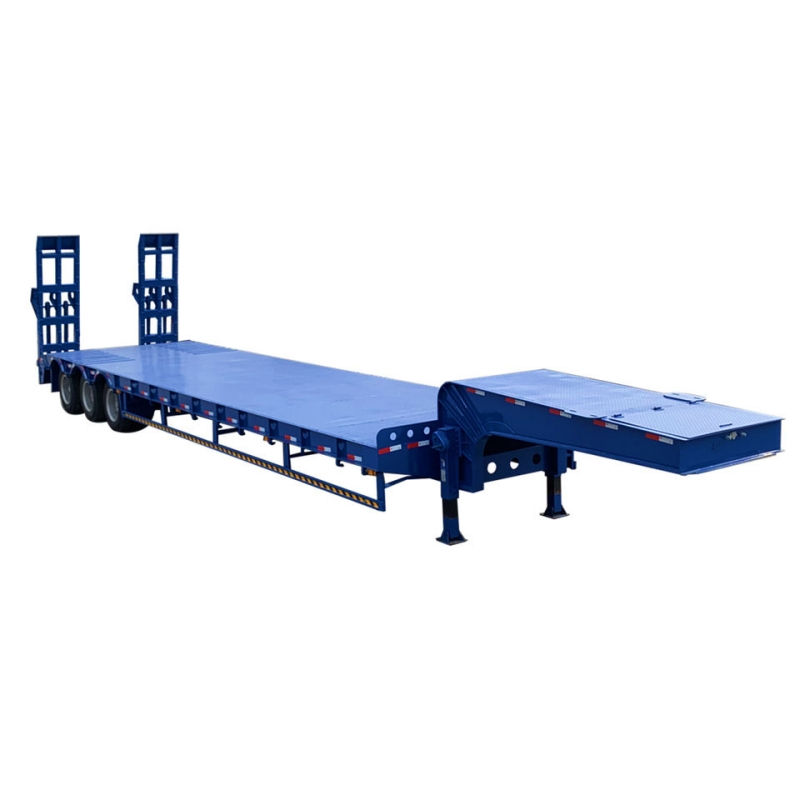 3 Axle Lowboy Trailer |