In modern high-pressure commercial diesel common rail engines (Sinotruk Howo D12, Weichai WP10/WP12, Shacman X3000), the common rail fuel pressure sensor (Bosch RDS4 series piezoresistive sensor) threads directly into the high-pressure forged steel rail pipe. Converting 0 to 2,000 bar (0 to 200 MPa) hydraulic fuel pressure into a linear 0.5V to 4.5V analog electrical feedback signal, diagnosing sensor voltage signal drift, wiring harness reference voltage drop, and executing the emergency sensor disconnect limp-home protocol prevents sudden roadside stranding and severe engine hunting under heavy load.
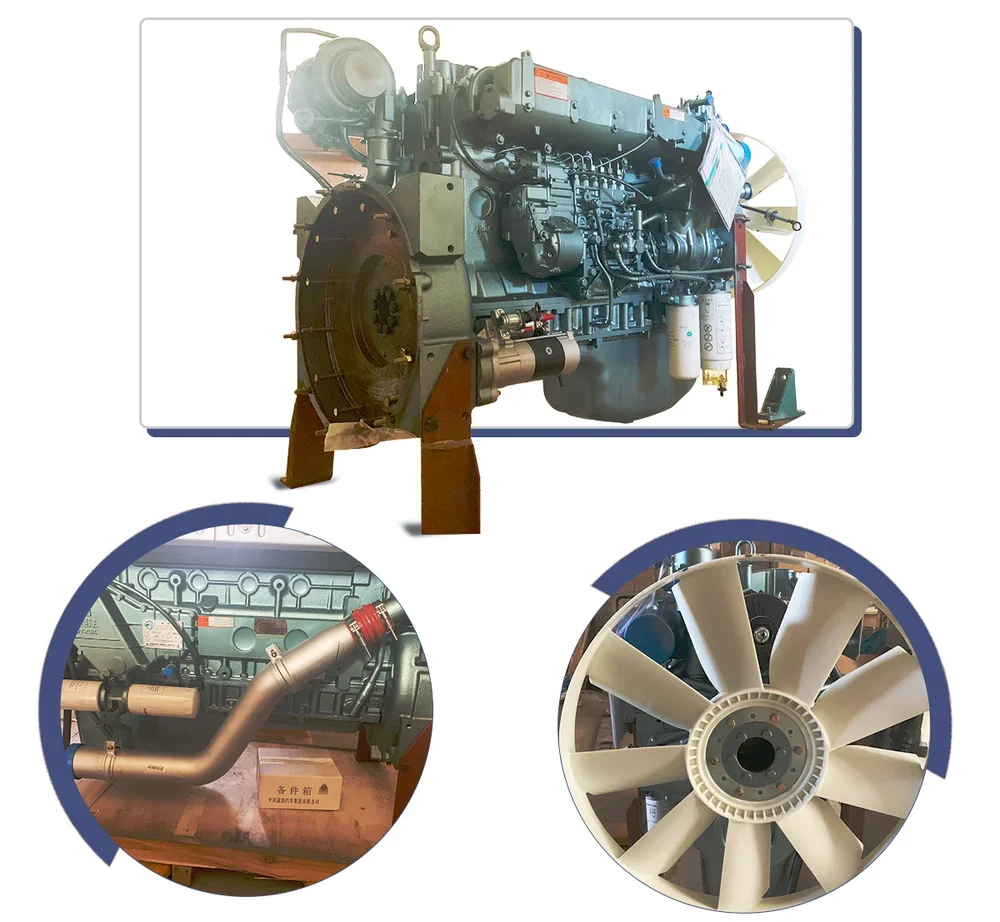
1. Technical Specification Profile: Bosch RDS4 High-Pressure Rail Sensors
Pinouts, voltage transfer functions, pressure ratings, and tightening torques across commercial rail sensors:
| Engineering Parameter | Bosch RDS4 1,800-Bar Rail Pressure Sensor | Bosch RDS4 2,200-Bar Heavy-Duty Rail Pressure Sensor |
|---|---|---|
| Sensing Technology | Micro-machined silicon piezoresistive diaphragm welded to steel port | High-temperature piezoresistive silicon diaphragm with ASIC chip |
| Thread Mounting Interface | M18 x 1.5 precision thread with direct metal crush cone | M18 x 1.5 high-pressure thread with integrated sealing cone |
| Regulated Input Supply Voltage | Strictly 5.00V ± 0.25V DC (Pin #1 from ECU regulated supply) | Strictly 5.00V ± 0.15V DC (Protected against 24V short circuits) |
| Analog Signal Output at 0 Bar (Atmospheric) | Strictly 0.50V ± 0.04V DC (Key ON, Engine OFF reading) | Strictly 0.50V ± 0.03V DC (Linear baseline offset) |
| Analog Signal Output at Maximum Pressure | 4.50V DC @ 1,800 bar (180 MPa) | 4.50V DC @ 2,200 bar (220 MPa) |
| Linear Transfer Function Equation | $P = 450 \times (V_{out} - 0.5)$ [Bar] | $P = 550 \times (V_{out} - 0.5)$ [Bar] |
| Tightening Torque Specification | Strictly 70 – 80 N·m (Never exceed 85 N·m to avoid cell strain) | Strictly 70 – 80 N·m (Calibrated torque wrench mandatory) |
| Diagnostic DTC Generation | DTC P0192 (Signal Voltage Low) / P0193 (Signal Voltage High) | DTC P0191 (Range/Performance) / P0192 / P0193 |
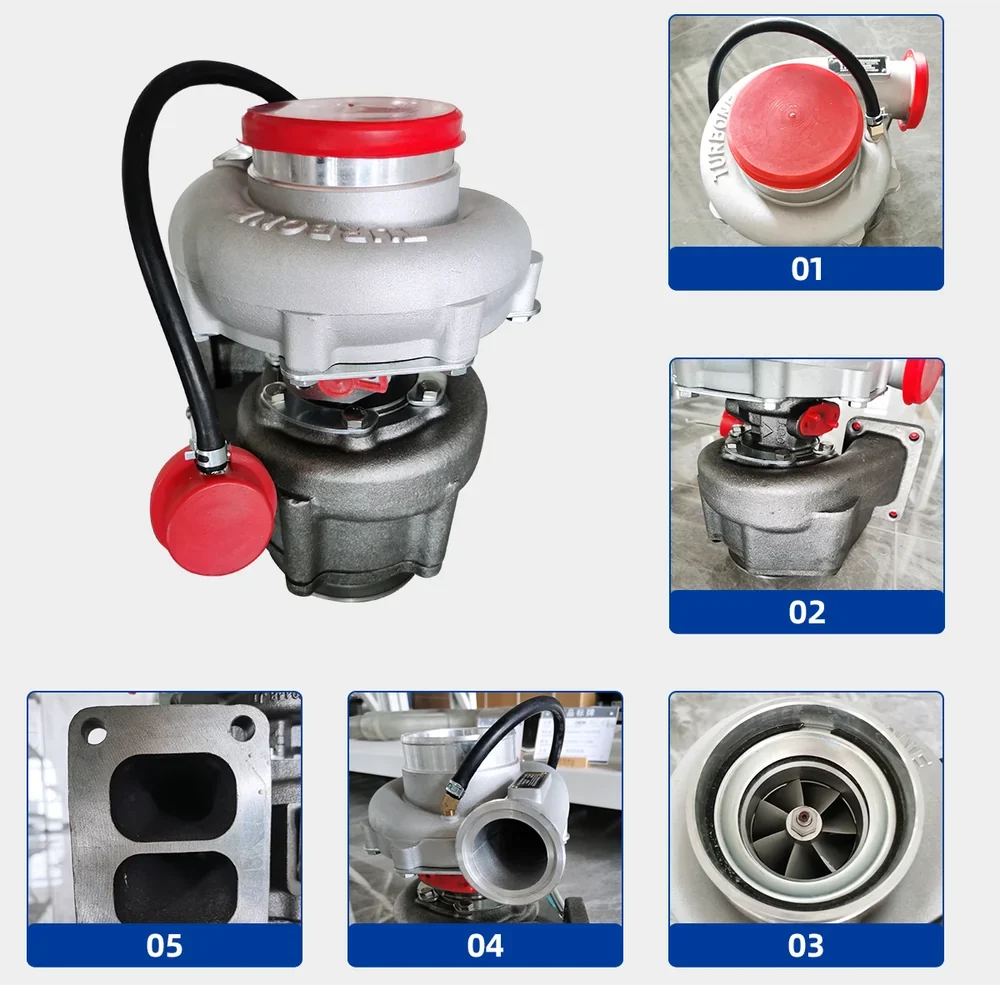
2. The Linear Transfer Characteristic Curve: Understanding Signal Voltage
The ECU calculates injection delivery based on millivolt precision voltage feedback:
- The Static Baseline Check (Key ON, Engine OFF): With the ignition turned on and engine stopped, fuel pressure in the rail is 0.0 bar. A healthy sensor must output exactly 0.50V DC (±0.04V) on its signal pin. If a digital multimeter reads 0.75V or 0.25V with the engine off, the sensor has suffered internal silicon diaphragm drift and must be replaced immediately.
- The Cranking Threshold (1.0V to 1.1V): During starter cranking, as the high-pressure pump compresses fuel to 250 bar, the sensor voltage must rise smoothly from 0.50V to 1.05V – 1.15V. The ECU monitors this exact voltage threshold before enabling common rail injector solenoid pulses.
- Full-Load Highway Cruising (3.5V to 4.0V): Pulling 50 tons up a mountain incline under full throttle commands 1,600 bar rail pressure, corresponding to a steady 4.10V output signal.

3. Troubleshooting Sensor Voltage Drift & Rough Idle Hunting
Electrical harness oxidation and internal micro-cracks produce erratic fueling behavior:
| Observed Engine Malfunction | Most Probable Root Cause | Immediate Corrective Action |
|---|---|---|
| Engine cranks vigorously but will not fire; rail pressure reads 0 bar on scanner | Signal wire broken or shorted to ground (DTC P0192 active); sensor reading < 0.2V | Back-probe Pin #2 signal wire; check 5V supply at Pin #1; inspect harness rubbing points |
| Engine surges, hunts violently at idle, and knocks loudly under acceleration | Sensor voltage drifting upward (Reads 1.2V at idle when actual pressure is only 400 bar) | Perform Key-ON zero pressure voltage check; replace drifted rail pressure sensor |
| Engine cuts into 1,200 RPM Limp Mode; check engine light illuminates; DTC P0193 active | Sensor ground wire (Pin #3) broken; signal wire floating at 5.0V; internal sensor short | Verify ground continuity (< 0.2 Ohms); execute emergency sensor unplug protocol |
| Diesel fuel weeping from rail sensor threads | Sensor undertorqued or copper washer mistakenly installed; deformed sealing cone | Remove sensor; clean metal seat; torque to exact 70 N·m without any sealant or tape |
4. The Roadside Emergency "Unplug Protocol": Limping to Safety
If a rail pressure sensor fails in remote African or Latin American mining corridors, a simple trick saves towing costs:
- The Internal ECU Failsafe Algorithm: When the ECU detects a wild, erratic voltage (e.g., 4.9V due to an internal short), it cuts fuel injection to prevent rail overpressure explosions. The engine stalls dead.
- Disconnect the 3-Pin Sensor Plug: Locate the common rail pipe beneath the intake manifold. Disconnect the 3-pin electrical plug directly from the rail pressure sensor.
- Automatic Default Pressure Substitution: With the sensor completely disconnected, the ECU recognizes a permanent open circuit (DTC P0193). Instead of stalling, the Bosch / Weichai computer activates its internal "Limp-Home Default Strategy." The ECU sets fuel pump output to a safe fixed pressure (typically 800 bar) and calculates injection timing using engine RPM alone.
- Drive to the Workshop: Start the engine. The check engine light will remain illuminated and engine power will be reduced by 30%, but the truck will start instantly and drive smoothly at 60 km/h, allowing the convoy to reach a repair facility without a tow truck!
Frequently Asked Questions
Q: Why should Teflon thread tape or thread-locking glue NEVER be applied to a rail pressure sensor?
A: Common rail pressure sensors seal on a precision micro-machined 60-degree tapered metal-to-metal contact cone. Applying Teflon tape or thread-locker prevents the metal cone from seating, causing catastrophic fuel line blowouts under 1,800 bar pressure, while fragments will enter injectors and jam control valves.
Q: What causes sensor voltage to drift over time?
A: Chronic exposure to intense hydraulic water hammer pulses (caused by rapid injector needle closing) and continuous thermal soaking from hot exhaust pipes fatigues the microscopic piezoresistive silicon bridge on the diaphragm.
Q: Where can fleet operators source genuine Bosch RDS4 common rail pressure sensors?
A: Browse our complete precision fuel injection inventory in the Heavy-Duty Spare Parts Category, inspect original Diesel Engine Assemblies, or consult our International FAQ Center.
Request Common Rail Pressure Sensors & Diagnostic Parts Quotation
Recommended Semi-Trailers
 BYD Sealion 06 EV |  Geely EX5 |  Howo 8x4 Dump Truck |