In heavy commercial trucks operating under 40 to 60-ton mining and highway payloads (Sinotruk Howo AC16 / HC16, Shacman Hande MAN 16T axles), the spiral bevel crown wheel and drive pinion gear set (hypoid differential ring and pinion) performs the primary right-angle torque transformation from the propeller shaft to the axle shafts. Achieving exact tooth backlash (0.25mm to 0.40mm) and establishing a centered elliptical tooth contact pattern with Prussian blue marking compound prevents catastrophic gear tooth pitting, howling axle whining, and broken pinion teeth under high torque multiplication.
1. Technical Specification Comparison: Standard Highway vs. Heavy Hub Reduction Differentials
Gear tooth modules, spiral angles, and tightening torques across commercial drive axle differentials:
| Engineering Parameter | Single-Reduction Axle Differential (e.g., Sinotruk MCY13) | Heavy Hub Reduction Differential (e.g., Sinotruk AC16 / HC16) |
|---|---|---|
| Crown Wheel Diameter | 460 mm – 485 mm large central ring gear | 350 mm – 380 mm compact central ring gear (Reduction split to hubs) |
| Gear Gearing Geometry | Hypoid spiral bevel gearing with substantial shaft offset | Spiral bevel gear pair with centered or minor shaft offset |
| Standard Gearing Backlash | 0.20 mm – 0.35 mm dial indicator play | 0.25 mm – 0.40 mm measured on ring gear outer pitch line |
| Pinion Bearing Preload Drag Torque | approx. 2.5 – 4.0 N·m rotating drag torque | approx. 3.0 – 5.0 N·m (Heavy tapered roller bearing preload) |
| Crown Wheel Bolt Torque | Grade 10.9 bolts: 280 – 320 N·m (With thread-locker) | Grade 12.9 heavy bolts: 360 – 420 N·m cross-torqued |
| Differential Carrier Cap Torque | approx. 350 – 400 N·m | approx. 450 – 520 N·m (Heavy ductile iron carrier caps) |
| Lubricant Specification | SAE 85W-90 API GL-5 Heavy Gear Oil | SAE 85W-140 API GL-5 High-Viscosity Extreme Pressure Gear Oil |
| Primary Application | 6x4 Highway tractors, 45,000L fuel tankers, flatbeds | 8x4 Mining dump trucks, heavy logging rigs, abnormal lowbeds |

2. Dial Indicator Backlash Measurement Protocol
Incorrect tooth backlash causes instant gear howling or shattered teeth under shock loading:
- Mounting the Magnetic Dial Indicator: Affix the magnetic base firmly to the differential carrier casting. Position the dial indicator stylus perpendicular to the drive face of a crown wheel tooth near the outer heel edge.
- Rocking the Ring Gear: Hold the input drive pinion shaft completely rigid with a flange holding tool. Rock the crown wheel gently back and forth by hand. Read the total needle deflection.
- Checking at 4 Quadrants: Measure backlash at 90-degree intervals around the entire ring gear circumference. Backlash must measure between 0.25 mm and 0.40 mm, and the variance between the four readings must not exceed 0.08 mm. A larger variance indicates a warped crown wheel or distorted differential case.
3. Reading Tooth Contact Patterns with Prussian Blue Paste
Backlash alone does not guarantee correct alignment; the contact patch position dictates tooth fatigue life:
| Observed Prussian Blue Contact Patch | Alignment Diagnosis | Shimming Correction Required |
|---|---|---|
| Ideal Pattern: Centered oval towards toe | Perfect alignment; load spreads evenly under torque flex | No correction required (Lock adjusting rings in position) |
| High Contact (Riding on the tooth crest) | Drive pinion sits too shallow (Too far out from crown wheel) | Add pinion depth shims beneath the pinion head bearing to move pinion deeper into mesh |
| Low Contact (Riding in the tooth root) | Drive pinion sits too deep inside the ring gear | Reduce pinion depth shims to move pinion outward away from ring gear center |
| Heel Contact (Heavy patch at outer wide end) | Crown wheel sits too close to pinion, or backlash is too small | Move crown wheel away by loosening left adjuster ring and tightening right ring |
| Toe Contact (Heavy patch at inner narrow end) | Backlash is too large; crown wheel sits too far away | Move crown wheel inward toward pinion using side threaded adjuster rings |
4. Causes of Differential Overheating & Whining Noises
Audible whining or grinding under power reveals distinct mechanical distress:
- Whine on Acceleration, Quiet on Coast: Pinion depth is too shallow or pinion preload has loosened, pushing gear contact into the tooth toe under load.
- Whine on Deceleration (Engine Braking Coast): Ring gear backlash is excessive, causing the coast side of the teeth to slap and scrub harshly.
- Blistering Hot Differential Bowl (>100°C): Pinion bearing preload is set too tight, or the axle is operated with low gear oil. Overheated gear oil oxidizes and turns black, destroying gear tooth hardness.
Frequently Asked Questions
Q: Can a crown wheel be replaced individually without replacing the drive pinion?
A: Absolutely not! The crown wheel and drive pinion are precision-lapped together at the factory as a matched pair and share identical serial numbers. Installing mismatched gears causes extreme noise and teeth failure within 500 km.
Q: What causes the differential crown wheel bolts to back out and puncture the axle housing?
A: Reusing old stretch bolts without applying high-strength thread-locking compound (Loctite 271) or failing to torque bolts in a cross-diagonal sequence causes bolts to back out and puncture the axle casing.
Q: Where can fleet operators source genuine Sinotruk AC16 and Hande differential gear sets?
A: Browse our complete drivetrain catalog in the Heavy-Duty Spare Parts Category, inspect original Commercial Heavy Trucks, or consult our International FAQ Center.
Request Differential Ring & Pinion Gear Sets Quotation
Recommended Semi-Trailers
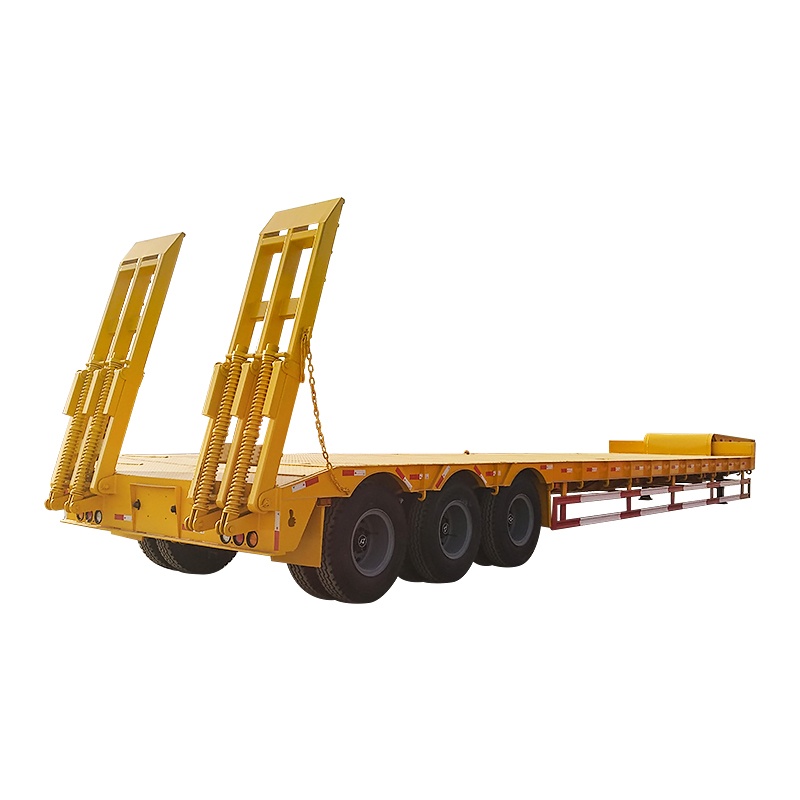 3 Axle Lowbed Semi Trailer | 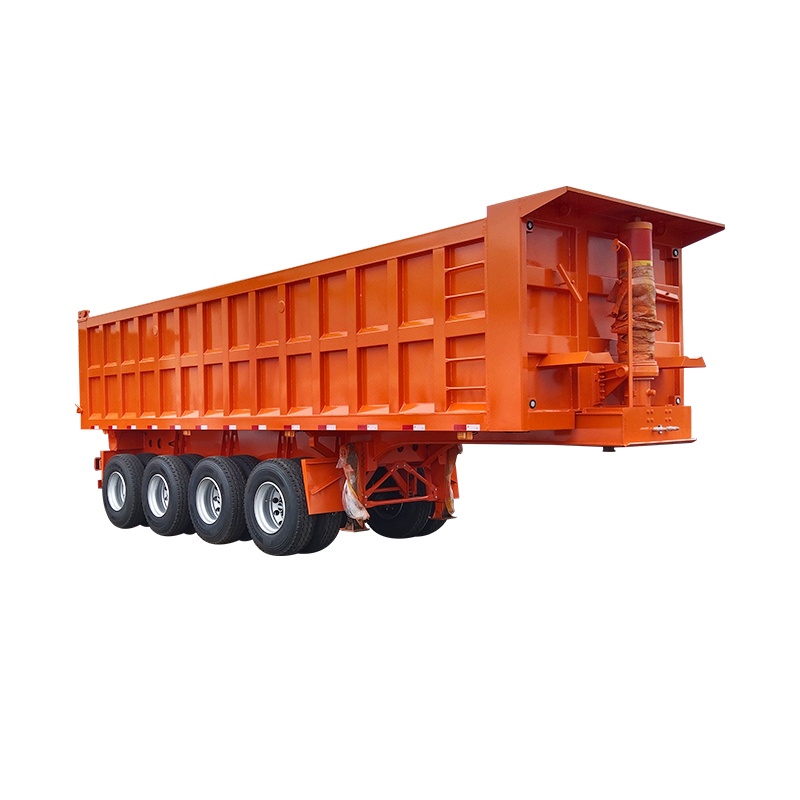 4 Axle Dump Trailer |  3 Axle Flatbed Trailer |