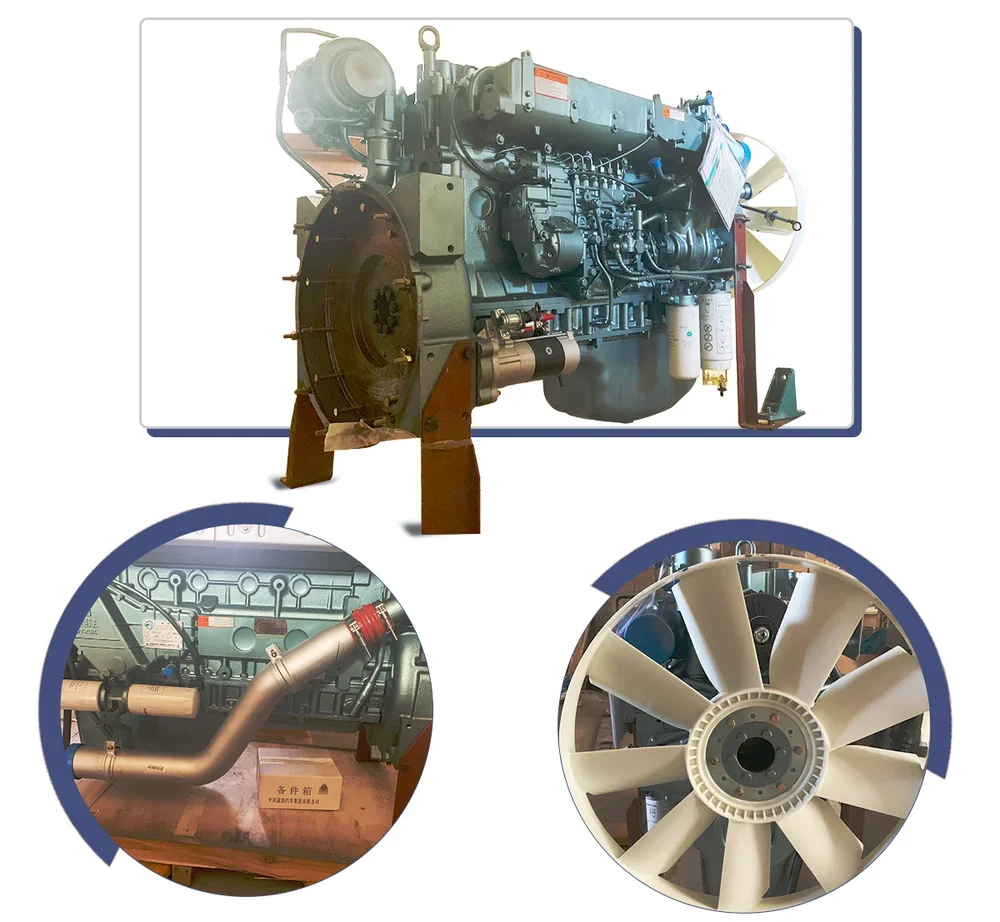
On pneumatic dry bulk powder and cement semi-trailers (40 CBM to 50 CBM capacity), the independent auxiliary diesel engine and twin-cylinder air compressor unit (10m³ to 12m³/min displacement, Wuhu / Suzhou oscillating piston designs) delivers continuous high-volume compressed air at 0.20 MPa (2.0 bar) to fluidize and unload 45 tons of powder into batching plant silos. Operating continuously under full load in 40°C to 45°C ambient tropical heat, diagnosing connecting rod bearing shell burn-out, excessive discharge air temperatures exceeding 140°C, and valve reed carbonization prevents catastrophic compressor seizures and ruined cement batches.

1. Technical Specification Comparison: 10 CBM vs. 12 CBM Heavy Cement Tanker Compressors
Displacement volumes, power requirements, cooling methods, and bearing specifications across commercial compressor units:
| Engineering Parameter | Standard 10 m³ / min Twin-Cylinder Compressor | Heavy 12 m³ / min High-Flow Mining & Dam Spec Compressor |
|---|---|---|
| Theoretical Air Delivery Volume | 10.0 m³ / minute (approx. 353 CFM free air delivery) | 12.0 m³ / minute (approx. 424 CFM high-velocity airflow) |
| Rated Working Air Pressure | 0.20 MPa continuous (Max relief limit: 0.25 MPa / 2.5 bar) | 0.20 – 0.22 MPa continuous discharge pressure |
| Dedicated Diesel Engine Match | Weifang / Yuchai 4100 / 4102 (approx. 40 kW – 44 kW output) | Weifang 4105 / 4108 Naturally Aspirated Diesel (approx. 55 kW – 60 kW) |
| Compressor Operating RPM | approx. 900 – 1,000 rpm shaft speed | approx. 1,000 – 1,150 rpm heavy-duty shaft speed |
| Crankshaft Bearing Construction | Bi-metal steel-backed aluminum-tin split sleeve bearings | Heavy tri-metal copper-lead alloy connecting rod bearing shells |
| Cooling System Architecture | Air-cooled cylinder fins + natural convection radiation | Air-cooled cylinder block + auxiliary discharge intercooling radiator |
| Oil Sump Capacity & Lubricant | approx. 4.0 – 5.0 Liters SAE 15W-40 or SAE 40 Diesel Oil | approx. 5.5 – 6.5 Liters Synthetic High-Temp Compressor Oil |
| Maximum Safe Discharge Air Temp | Strictly ≤ 130°C (Critical warning threshold: >140°C) | Strictly ≤ 115°C (Intercooled discharge protects organic starches) |

2. Kinematics of Bearing Burnout: Why Connecting Rod Shells Seize Under Load
Unlike automotive air compressors, bulk cement compressors operate unloader-free for 45 minutes continuously:
- The Non-Stop Compressive Load: At 0.2 MPa discharge pressure, the 200mm diameter pistons endure thousands of kilograms of continuous downward thrust on every rotation. Splash lubrication relies entirely on forged dipper fingers attached to the connecting rod caps splashing through the oil sump.
- The Thermal Thinning of Sump Oil: As the air-cooled compressor runs for 35 minutes in 45°C ambient sunlight, crankcase oil temperatures easily exceed 120°C. Standard engine oil thins down to water-like viscosity, causing the hydrodynamic oil film between the crankshaft journal and bearing shell to collapse.
- Direct Metal-to-Metal Galling: Once the oil film collapses, the copper-lead bearing material melts and adheres to the steel crankpin. The connecting rod bearing shell welds itself to the crankshaft journal, snapping the connecting rod like a twig and punching a giant hole through the cast-iron crankcase wall.
3. Troubleshooting High Discharge Air Temperature (>140°C) & Reed Valve Failures
Discharge air temperatures exceeding 140°C destroy cement and melt discharge rubber hoses:
| Observed Compressor Fault | Most Probable Root Cause | Immediate Corrective Action |
|---|---|---|
| Discharge air pipe glowing hot (>150°C); cement caking in hose | Cracked or carbon-caked stainless steel reed valve plates; broken valve spring allowing back-flow | Unbolt cylinder heads; replace valve reed assemblies; clean carbon deposits off valve plate seats |
| Loud rhythmic metallic knocking from compressor crankcase | Excessive clearance in connecting rod journal bearing shells; worn wrist-pin bronze bushing | Drop bottom oil pan; inspect crankshaft journals for scoring; install undersized bearing shells |
| Compressor takes over 25 minutes to build 0.2 MPa tank pressure | Worn cast-iron piston rings; scored cylinder liner; intake air filter clogged with cement dust | Hone cylinder bores; install new compression rings; wash or replace dual intake air filter elements |
| Thick blue-gray smoke and oil droplets discharging into cement tank | Oil scraper rings worn or installed upside down; crankcase breather valve clogged with sludge | Replace piston ring sets; verify staggered 120-degree ring gap placement; clean crankcase breather |
4. Step-by-Step Oil Service & Valve Reed Inspection Protocol
Maintaining high-tonnage powder unloading compressor reliability:
- Mandatory 100-Hour Oil Drain: Because cement compressors operate in extreme heat without oil filters, drain the crankcase completely every 100 operating hours. Refill with 5.0 Liters of high-viscosity SAE 20W-50 heavy diesel oil or ISO VG 100/150 synthetic reciprocating compressor oil.
- Inspect Cylinder Head Reed Valves: Every 500 hours, remove the cast iron cylinder head covers. Inspect the Swedish flapper steel reed valves for carbon varnish or fatigue micro-cracks. A chipped reed valve allows hot compressed air to pump back and forth between cylinders, doubling air temperatures in minutes.
- Clean External Aluminum Cooling Fins: Blow cement dust and laterite mud out from between the external cylinder cooling fins using high-pressure air. Fins caked in cement act like thermal blankets, choking air cooling.
- Verify Auxiliary Diesel Engine RPM: Use a digital laser tachometer to verify that the Weifang 4102 diesel engine runs at strictly 1,000 to 1,050 rpm under load. Running over 1,200 rpm overheats the compressor; running below 900 rpm starves splash lubrication.
Frequently Asked Questions
Q: What happens if compressed air entering the cement tanker exceeds 140°C?
A: Extreme air heat bakes powdered cement against the discharge pipe walls, creating a hard ceramic-like glaze that restricts powder flow. In organic flour or starch tankers, 140°C air gelatinizes the gluten, turning the entire load into sticky dough!
Q: Can automotive motor oil be used in a cement bulker compressor?
A: In an emergency, yes, but standard passenger car oils breakdown and oxidize into carbon sludge above 100°C. For continuous operation, use specialized Reciprocating Air Compressor Oil (ISO VG 100 or 150) with high thermal oxidation resistance.
Q: Where can cement logistics fleets procure genuine Wuhu and Suzhou compressors, diesel engines, and rebuild kits?
A: Browse our complete powder machinery inventory in the Construction Machinery Category, view original Heavy-Duty Spare Parts, or consult our International FAQ Center.
Request Cement Bulker Compressors & Spare Parts Quotation
Recommended Semi-Trailers
 3 Axle Bulk Cement Trailer |  2 Axle Cement Trailer |  Howo 8x4 Dump Truck |