As the primary economic lifeline connecting the Atlantic deep-water Autonomous Port of Abidjan (PAA) in Côte d'Ivoire with landlocked Burkina Faso (Ouagadougou & Bobo-Dioulasso), the 1,150-kilometer Abidjan-Ouagadougou corridor handles over 65% of Burkinabé international maritime trade. Procuring and operating commercial fleets along this vital West African corridor (Sinotruk Howo 420HP-430HP 6x4 prime movers, 3-axle flatbeds, and drop-side cargo trailers) requires navigating the Interstate Road Transit mechanism (TRIE Carnet / T1 customs bond), complying with strict UEMOA 51-ton gross weight limits (Regulation 14), and configuring vehicle cooling systems for extreme Sahel temperature shifts from coastal humidity to 46°C northern desert heat.
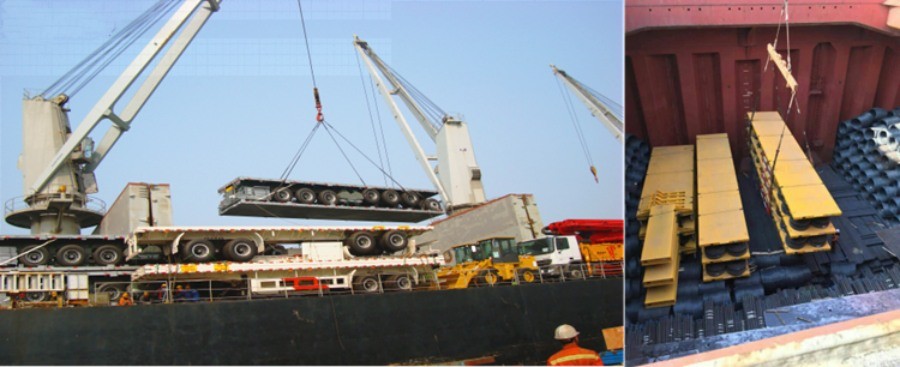
1. Port & Transit Corridor Logistics Profile: Abidjan to Ouagadougou
Corridor topography, border checkpoints, and vehicle deployment across the 1,150 km transit spine:
| Corridor Sector | Distance & Highway Profile | Key Regulatory Clearance Agency | Dominant Equipment Required |
|---|---|---|---|
| Abidjan Maritime Port to Yamoussoukro | approx. 240 km modern 4-lane paved divided highway (Autoroute du Nord) | Port Autonome d'Abidjan & Direction Générale des Douanes Ivoiriennes | Sinotruk Howo 6x4 420HP Tractors, 40ft Tri-Axle Flatbeds, 45,000L Fuel Tankers |
| Yamoussoukro to Ferkessédougou / Ouangolodougou | approx. 380 km paved trunk road passing through Bouaké & savannah plains | Ivorian regional customs tracking brigades & weighbridge stations | 6x4 Prime Movers + 3-Axle High-Strength T700 Steel Cargo Fence Trailers |
| Niangoloko Border Post (CI / BF Frontier) | Joint One-Stop Border Post (Poste de Contrôle Juxtaposé - PCJ) | Douanes Burkinabè & CBC (Conseil Burkinabè des Chargeurs) | GPS tracking seal inspection, TRIE manifest acquittal, SADC/UEMOA check |
| Niangoloko to Ouagadougou via Bobo-Dioulasso | approx. 530 km paved national highway traversing the Sahel agricultural belt | Burkina Faso transit police checkpoints & national weigh stations | Cotton cargo fence trailers, grain bulkers, 60-Ton machinery lowbeds |
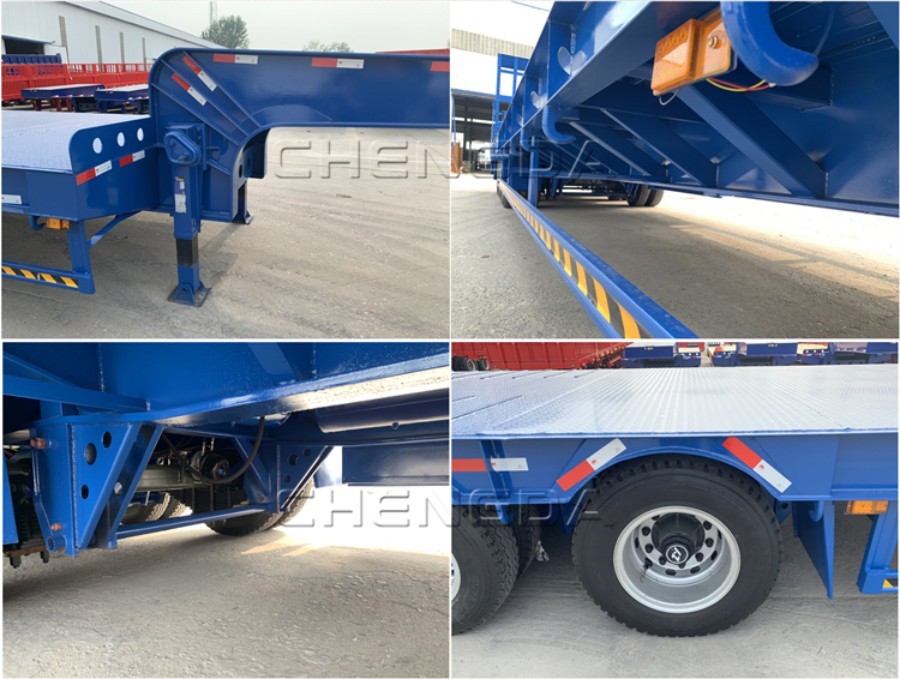
2. The TRIE (Transit Routier Inter-États) Mechanism & Customs Bonds
Overland transit across West African state borders operates under the ECOWAS/UEMOA TRIE convention:
- The TRIE Carnet Guarantee: Shippers clearing bonded cargo through the Port of Abidjan destined for Ouagadougou post an international financial guarantee bond (TRIE Carnet). Managed through the national chambers of commerce, this bond guarantees that goods in transit will not be sold illicitly on the Ivorian domestic market, exempting cargo from Ivorian import duties.
- Mandatory Electronic GPS Cargo Tracking Seals: Customs authorities clamp electronic GPS satellite tracking padlocks onto container twist locks or trailer tarpaulins at the Abidjan port gates. If a driver deviates from the designated transit corridor or tampers with the lock, customs rapid-response units intercept the vehicle within minutes.
- Acquittal at Destination (Ouagarinter): The bond is formally discharged only when the convoy arrives at the Ouagarinter dry port terminal in Ouagadougou, where final Burkinabé customs duties and VAT are liquidated.
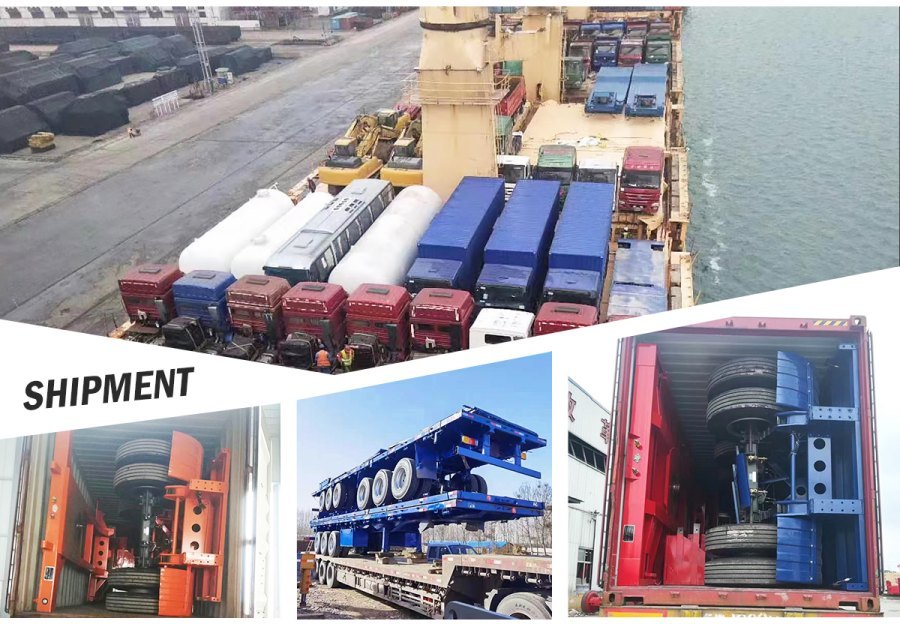
3. UEMOA Regulation 14: Strict Axle Weight Enforcement
The West African Economic and Monetary Union (UEMOA) aggressively enforces Regulation 14 to preserve paved corridors:
- The 51-Ton Gross Combination Weight (GCW) Cap: A standard 6-axle articulated tractor-trailer (3-axle tractor + 3-axle semi-trailer) is strictly capped at 51,000 kg total gross weight, with tandem drive axles limited to 18 tons and trailer tridem axles limited to 24 tons.
- Severe Weighbridge Fines: Fixed automated weighbridges at Yamoussoukro, Ferkessédougou, and Bobo-Dioulasso enforce punitive cash fines exceeding 50,000 FCFA ($85 USD) per excess ton, impounding overloaded vehicles until the excess cargo is offloaded.
- The T700 Steel Weight Advantage: To maximize legal cargo within the 51-ton cap, Chengda manufactures export flatbeds and fence trailers from high-strength T700 steel, cutting trailer tare weight by 1,200 kg. This allows transport operators to haul an extra 1.2 metric tons of containerized cargo or cotton bales legally without risking weighbridge fines.
4. Extreme Sahel Climate Hardening: Surviving 46°C Ambient Heat
Departing coastal Abidjan's 85% humidity and climbing into Burkina Faso's arid Sahel desert exposes engines to thermal stress:
- High-Capacity Tropical Cooling Packs: At Bobo-Dioulasso and Ouagadougou, ambient temperatures regularly exceed 45°C during the March-to-May pre-monsoon season. Chengda equips trucks with oversized heavy-gauge copper radiators paired with heavy-duty silicone viscous fan clutches to prevent Weichai and Sinotruk engines from boiling coolant under full highway loads.
- Dual-Stage Cyclone Dust Filtration: Fine Sahel desert dust and dry laterite dust clog standard paper filters within days; high-mounted roof-level centrifugal pre-cleaners strip 95% of airborne silica dust before it reaches the main air filter housing.
Frequently Asked Questions
Q: What steering layout is legally required in Côte d'Ivoire and Burkina Faso?
A: Both Côte d'Ivoire and Burkina Faso operate under Left-Hand Drive (LHD) regulations with right-hand traffic rules. All commercial trucks supplied by Chengda are factory-built with genuine Left-Hand Drive steering geometry.
Q: What is the typical road convoy transit time from Abidjan port to Ouagadougou?
A: A commercial truck convoy transiting the paved 1,150-kilometer corridor typically completes the journey in 4 to 6 days, including customs border processing at Niangoloko.
Q: Where can West African transport fleets procure UEMOA-compliant trucks and trailers?
A: Browse our complete commercial vehicle catalog in the Commercial Trucks Category, view our Commercial Semi-Trailers, or consult our International FAQ Center.
Request Abidjan-Ouagadougou Fleet Quotation & UEMOA Specs
Recommended Semi-Trailers
 3 Axle Flatbed Trailer | 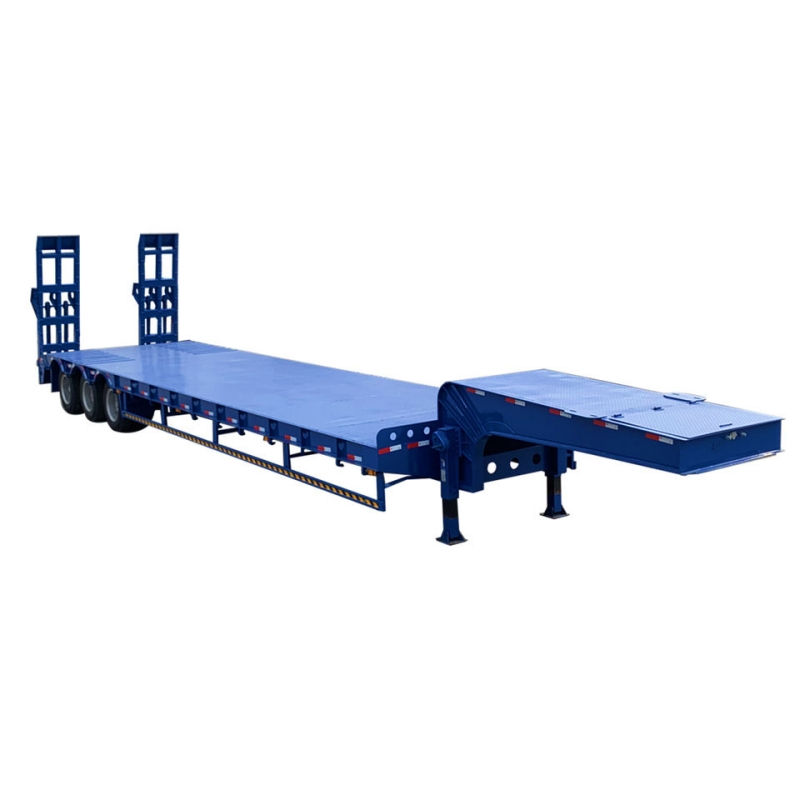 3 Axle Lowboy Trailer |  3 Axle Container Chassis Trailer |